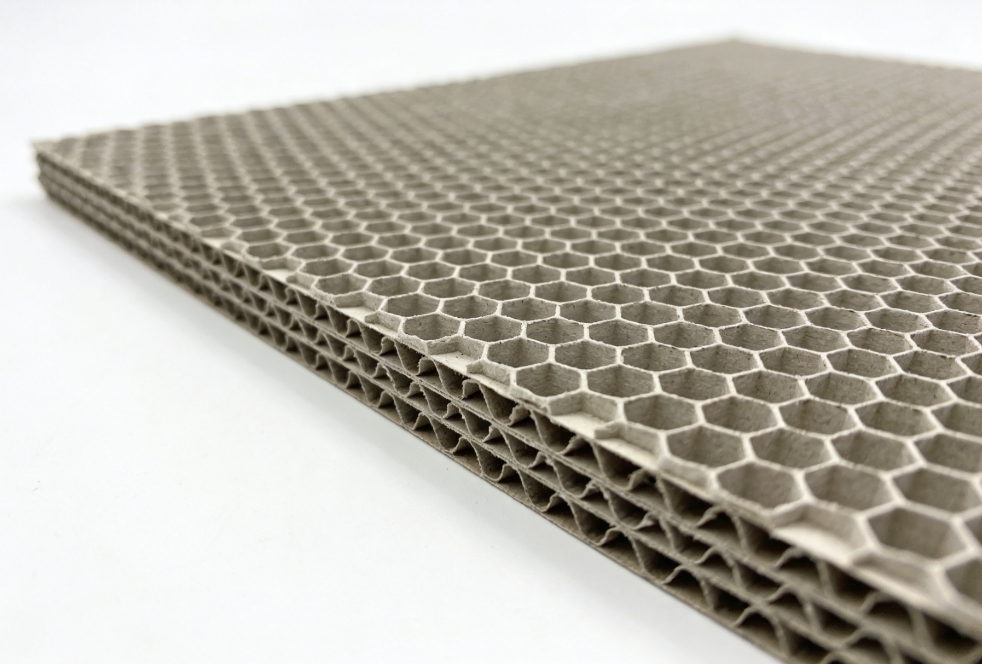
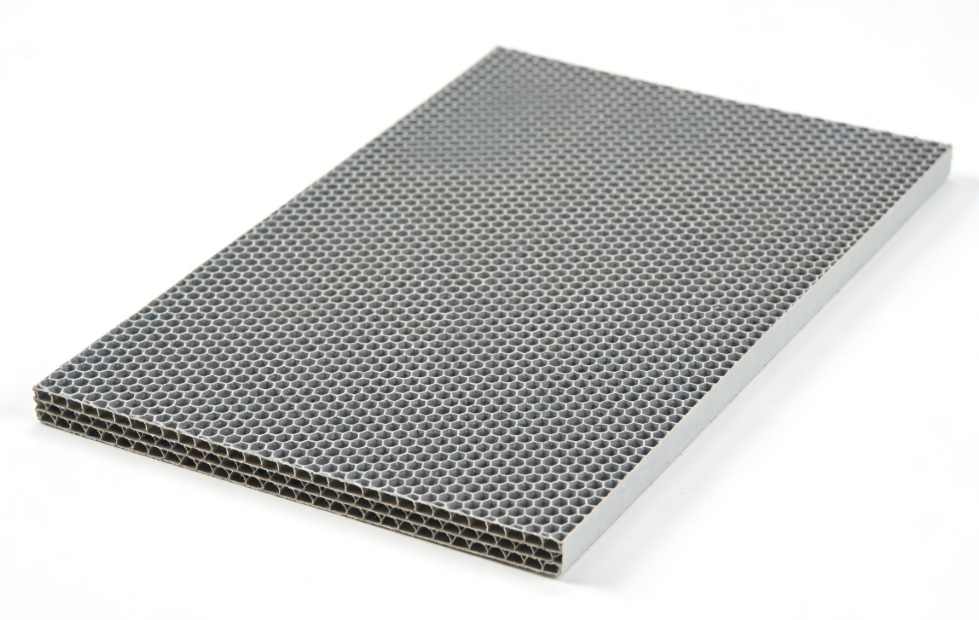





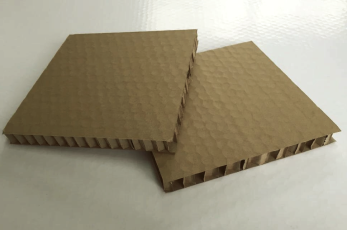
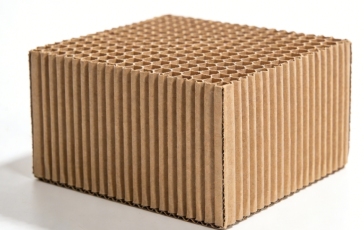

The core feature of this anti-static ESD honeycomb paperboard is that it has excellent anti-static performance, with surface resistivity of 10^6-10^9 Ω and volume resistivity of 10^7-10^10 Ω·cm, which can effectively eliminate static electricity accumulation and prevent static damage to precision electronic products. It retains the high cushioning performance of ordinary honeycomb paperboard, which can effectively protect electronic products from collision damage during transportation. It uses environmentally friendly anti-static treatment materials, which do not contain harmful substances such as halogen and meet the EU RoHS environmental protection standards. The product supports customized thickness and size, and can be made into anti-static packaging boxes and tray liners according to customer needs.
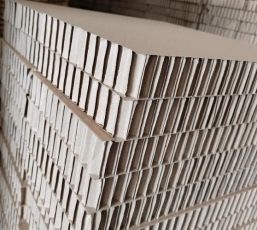
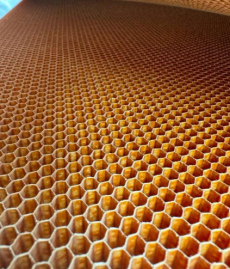
The standard size of this anti-static ESD honeycomb paperboard is 2400mm × 1200mm, with optional thickness ranging from 15mm to 60mm. The face paper uses 130g/㎡ anti-static coated paper, and the honeycomb core uses 90g/㎡ anti-static treated kraft paper. The edge crush strength is 2700N/m, and the bursting strength is 0.9Mpa, which can meet the packaging needs of general electronic components. The anti-static performance meets the ANSI/ESD S20.20 standard, and can effectively protect precision electronic products such as PCB boards, electronic instruments and chips from static damage. The product can be cut and processed according to customer needs, and can be made into anti-static packaging boxes, tray liners and cushioning materials. It has passed the ISO 9001 quality management system certification and ESD product certification, with stable and reliable anti-static performance.
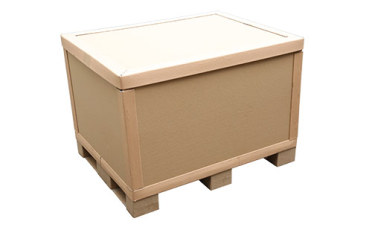
This anti-static ESD honeycomb paperboard is mainly suitable for electronic component packaging, PCB board packaging, electronic instrument packaging, chip transportation and other scenarios that require static protection. For PCB board packaging, it can be used as a tray for placing PCB boards to prevent static damage and collision damage. For electronic instrument packaging, it can be made into packaging boxes for electronic instruments to provide both anti-static and cushioning protection. For chip transportation, it can be used as a buffer packaging material to protect chips from static and physical damage during transportation. It can also be used as the packaging material for electronic products such as mobile phones and computers, providing comprehensive protection for precision electronic products.








 Post RFQ


 Chat
Chat


 ALL CATEGORIES