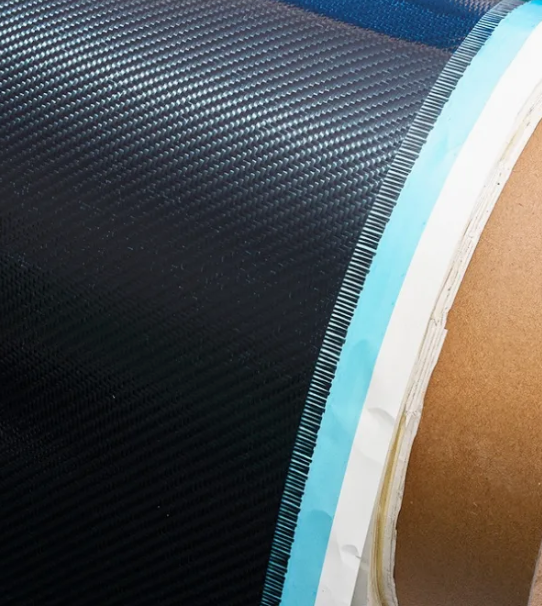
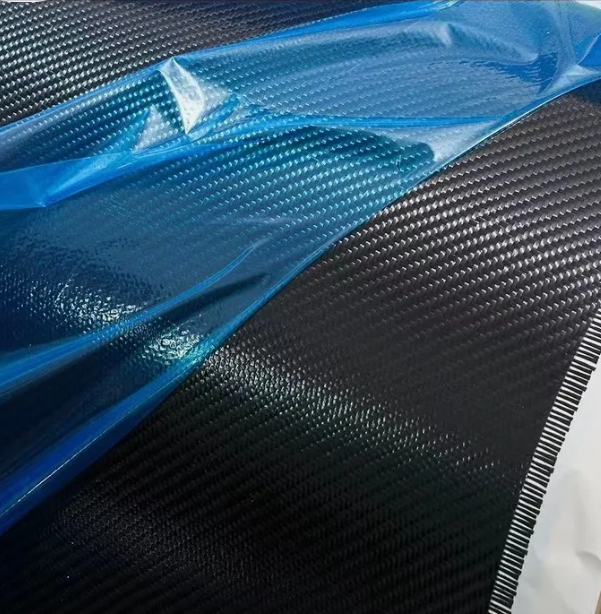





Compared with carbon fiber prepregs, it has a more favorable cost-performance ratio, making it suitable for large-batch industrial production. It has good corrosion resistance to common industrial chemicals such as acid, alkali and oil, and can maintain stable structural performance in complex industrial environments. The low-temperature curing process reduces production energy consumption, and meets RoHS environmental protection standards, avoiding harmful substance pollution. The precise fiber volume fraction control ensures consistent product quality across the entire production batch, solving the pain point of inconsistent product quality in mass production.
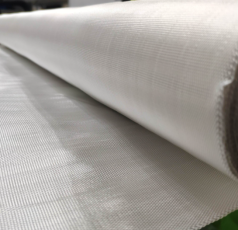
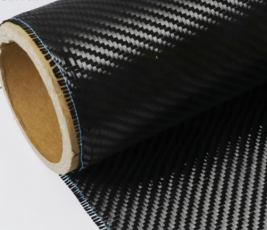
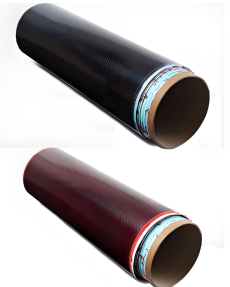
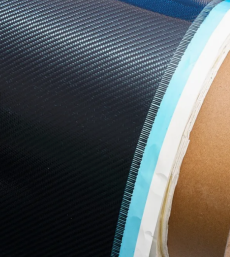
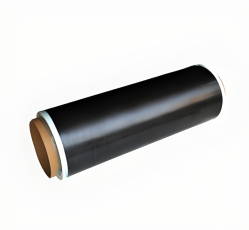
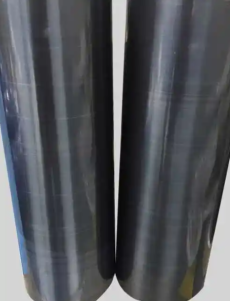
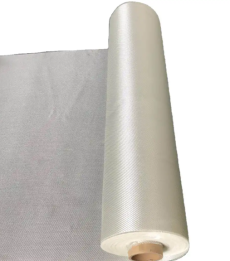
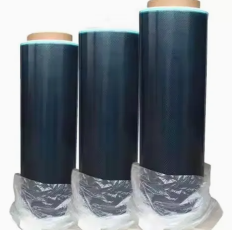
The base material is E-class glass fiber with a diameter of 12μm, matched with bisphenol A epoxy resin system. The thickness range is 0.2-3.0mm, standard roll width is 1250mm, and the fiber volume fraction is controlled at 55±2%. The curing temperature ranges from 80 to 120℃, with a bending strength of 450MPa and impact strength of 25kJ/m². The volatile content is no more than 0.3%, and it can be stored in a dry normal temperature warehouse at 5-25℃ with a shelf life of 12 months. It is suitable for hot press molding and vacuum bag molding processes, and can be customized into different specifications according to customer needs.
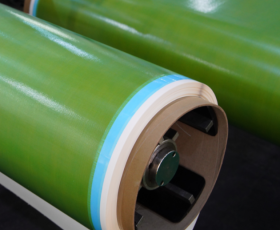
This prepreg is widely used in engineering machinery shells, crane booms, conveyor belt rollers, automobile chassis parts, building enclosure panels, wind turbine tower flange reinforcement components, and various structural reinforcement parts for industrial equipment. It can also be applied to transportation equipment structural parts, building decoration materials and other industrial scenarios that require high strength and corrosion resistance.







 Post RFQ


 Chat
Chat


 ALL CATEGORIES