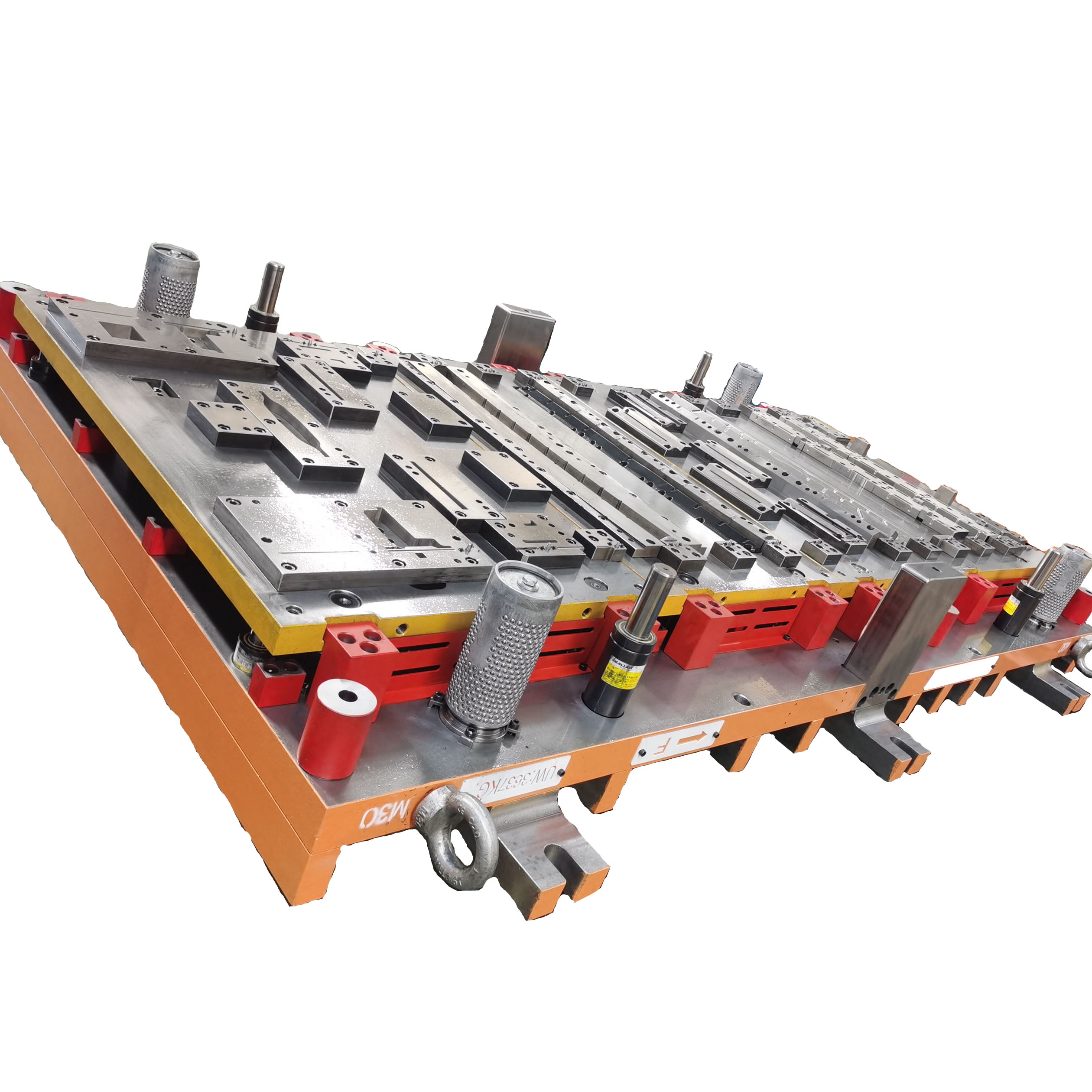
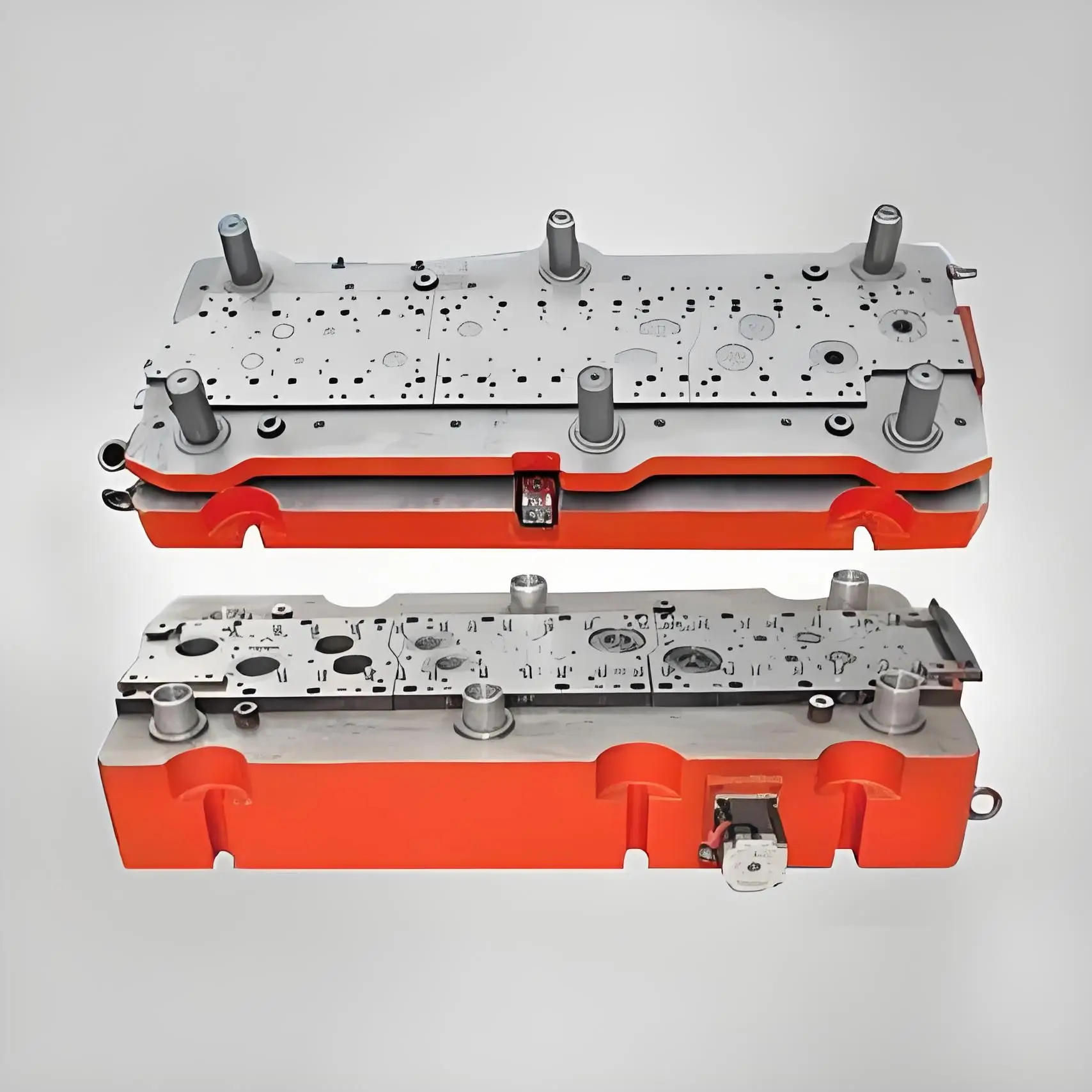


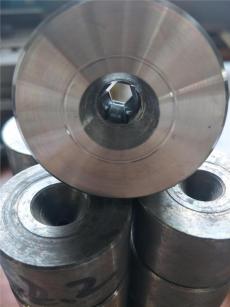
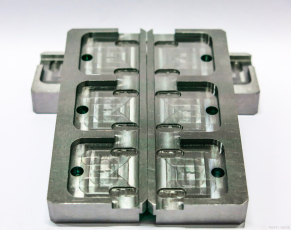
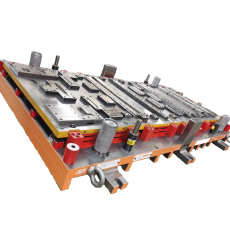
The core advantages of this mold are as follows: first, the use of SKD11 cold work mold steel with high compressive strength and good dimensional stability, combined with TD coating treatment, which can increase the surface hardness to HV2500 or above, effectively improving the wear resistance and anti-biting performance of the mold cavity, and extending the service life of the mold by 30% compared with traditional nitrided molds. Second, the built-in micro-channel cooling system can quickly reduce the temperature of the mold, reducing the thermal deformation of the mold during production and ensuring the dimensional accuracy of the parts. Third, the precise cavity machining and optimized demolding angle design can ensure that the formed parts have no burrs and deformation, eliminating the need for secondary finishing procedures, and reducing the production cost of auto parts. In addition, it has passed IATF 16949 certification, meeting the quality management system requirements of the auto parts manufacturing industry.
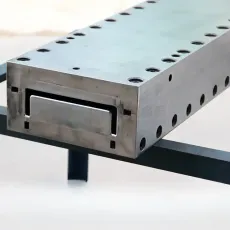
The overall dimensions of the mold frame are 1000mm in length, 600mm in width and 300mm in height, with a total weight of 620kg. The maximum processing outline size of the parts is 150mm×100mm, and the maximum extrusion pressure is 800kN. It supports 1-4 cavity mold design, which can meet the production needs of different batch sizes. The mold is equipped with a standardized positioning mechanism, which can ensure the accurate installation of the mold on the extrusion press, and the dimensional accuracy of the processed parts can be strictly controlled within ±0.01mm, meeting the high-precision requirements of auto parts.
This cold extrusion die is mainly applicable to the production of auto structural parts, including gear blanks, suspension connecting pieces, engine connecting rod blanks, brake caliper brackets and other auto parts that require high precision and high strength. It is suitable for auto parts manufacturing enterprises, hardware stamping processing enterprises and mechanical processing enterprises, and can meet the mass production needs of auto parts. In addition, it can also be used for the production of hardware tools and mechanical structural parts, with a wide range of application scenarios.








 Post RFQ


 Chat
Chat




 ALL CATEGORIES