Basic Info
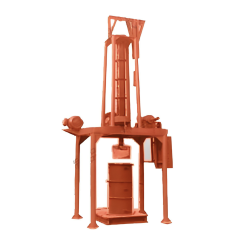
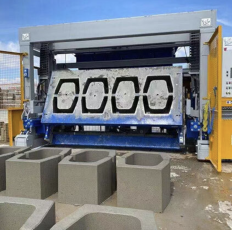
This equipment is specially designed for the production of medium-caliber cement pipes for municipal engineering, suitable for urban drainage and water supply pipe prefabrication plants. It adopts suspended roller forming process, can produce bevel and socket cement pipes with 600-1800mm calibers, and the formed pipe strength reaches above C40, meeting the strict quality standards of municipal engineering. The production efficiency is increased by 40% compared with traditional pipe making equipment, and it is equipped with a fully automatic PLC control system, which can realize unattended production, suitable for large-scale prefabricated building material production enterprises.
Customer reviews

Emily · Quality Control Inspector
From a quality control perspective, the Suspended Roller Medium Diameter Municipal Cement Pipe Machine excels. The pipes produced are uniform in diameter and free from defects, which is critical for municipal use. The machine's precision and stability reduce the likelihood of errors, making our inspection process smoother. It's clear that a lot of thought went into the design to ensure high-quality output.
Sarah · Construction Project Manager
Our team has been using the Suspended Roller Medium Diameter Municipal Cement Pipe Machine for several months now, and the results are impressive. The machine's ability to handle medium-diameter pipes with such consistency has streamlined our workflow. The automated features reduce manual labor, and the durability of the pipes produced meets all municipal standards. It's a reliable piece of equipment that has become indispensable on our job sites.
David · Municipal Infrastructure Specialist
The Suspended Roller Medium Diameter Municipal Cement Pipe Machine is a standout in its category. Its design ensures smooth operation and high-quality output, which is essential for municipal applications. We've used it for various projects, and the pipes have consistently met our stringent quality checks. The machine's efficiency and reliability make it a top choice for any infrastructure development team.
Michael · Civil Engineer
As a civil engineer working on municipal projects, the Suspended Roller Medium Diameter Municipal Cement Pipe Machine has been a game-changer. Its precision in producing medium-diameter cement pipes ensures uniformity and strength, which is crucial for our infrastructure projects. The suspended roller design minimizes material waste and enhances production efficiency. We've seen a significant reduction in downtime and maintenance costs compared to traditional machines.
Product Description
Product features:
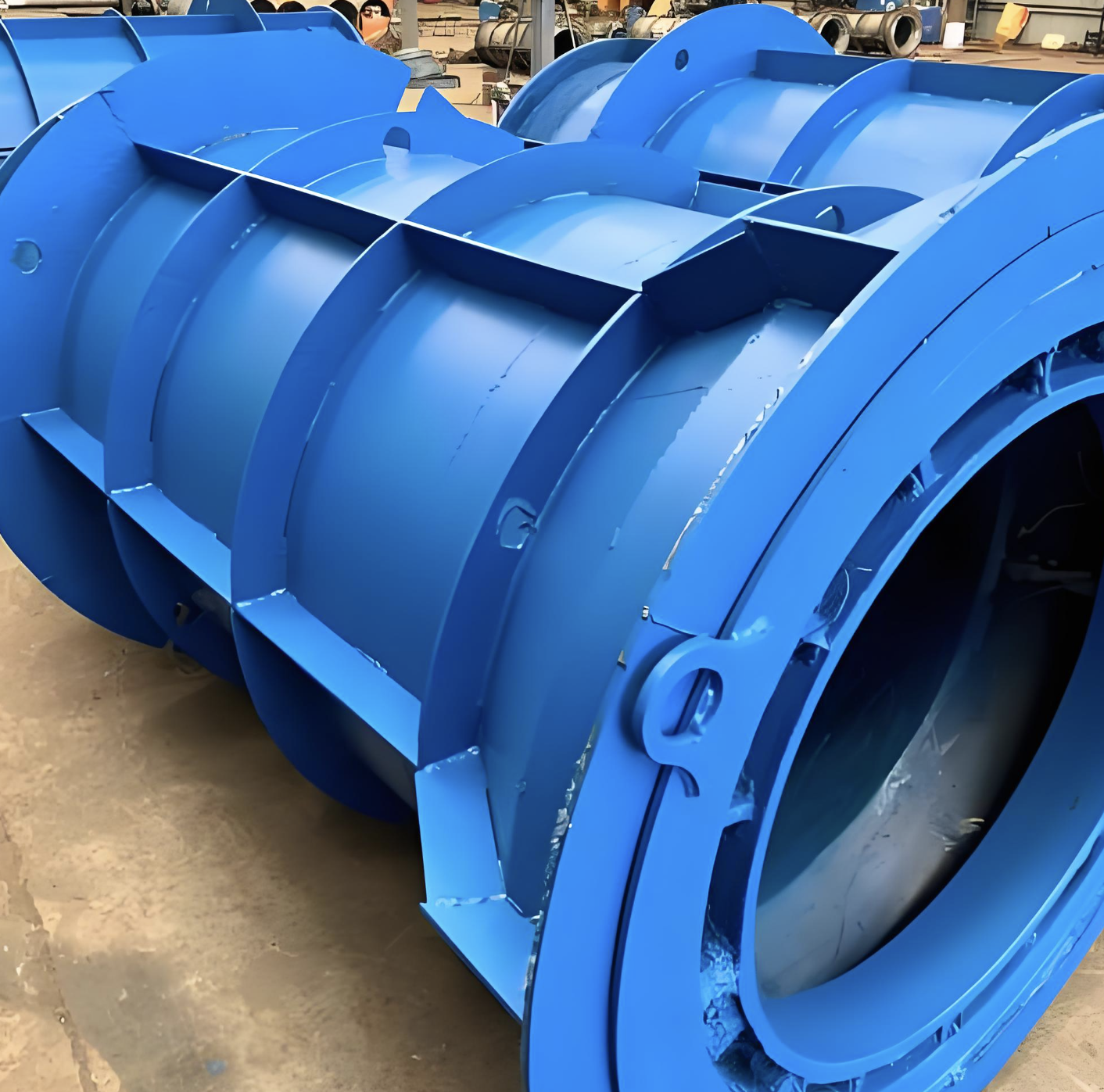
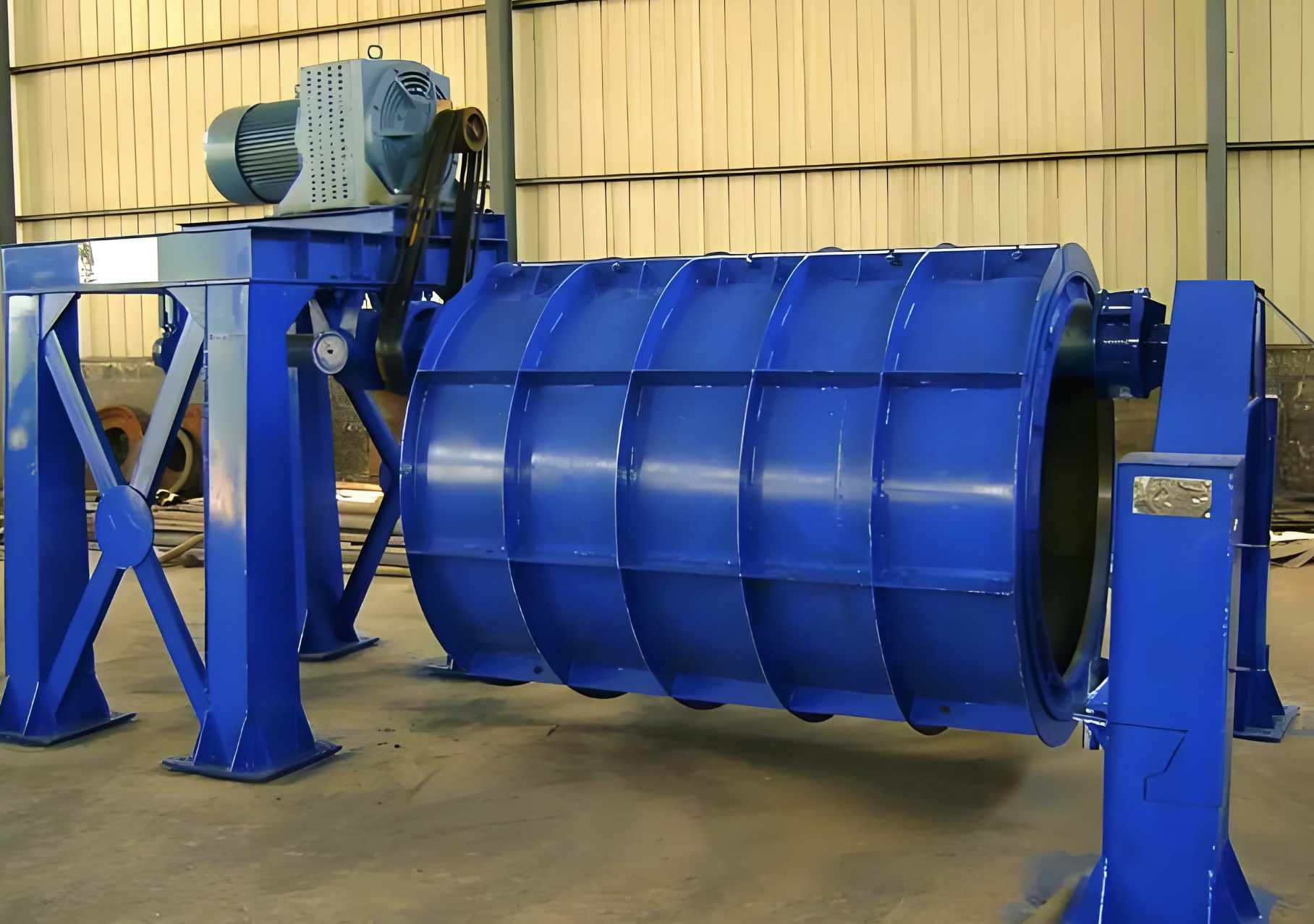
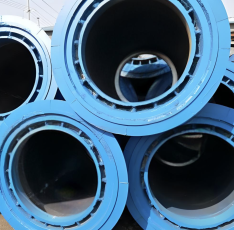
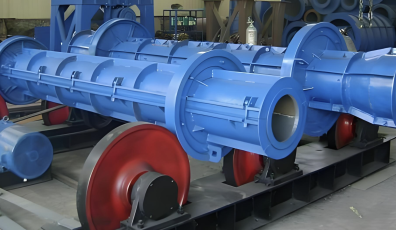
The core highlight is the suspended roller forming technology, which continuously extrudes the cement mixture through the high-speed rotating roller, ensuring the inner and outer walls of the pipe are evenly compacted, avoiding delamination problems of traditional vibration pipe making; it is equipped with a fully automatic PLC control system, which can preset production parameters, automatically complete the entire process of feeding, rolling and demolding, and support remote monitoring of production data; the mold is made of integral quenched alloy steel, with strong wear resistance, and a single set of molds can produce more than 20000 pipes; it is equipped with a noise reduction and shock absorption base, effectively reducing the operating noise to within 82dB, meeting the urban industrial zone operating noise standards, and solving the problem of noise disturbance in urban production.
Product specifications:
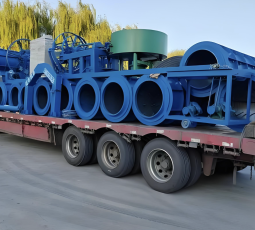
The pipe diameter range is 600mm to 1800mm, the standard length of a single pipe is 2m and 3m can be customized, the main drive motor power is 55KW, the suspended roller speed can be adjusted from 0 to 30r/min, the overall dimensions are 7800mm in length, 3500mm in width and 4200mm in height, the whole machine weight is 8.6 tons, the power supply is adapted to three-phase 380V/50Hz industrial power, the noise control is within 82dB, the production efficiency is stable at 8-15 pieces per hour, the mold replacement cycle is ≤45 minutes, it adapts to two municipal common cement pipe mold types of socket and bevel, and the concrete slump is adapted to 70-90mm, and it can be docked with the automatic feeding system.
Product application:
It is mainly used in urban municipal drainage pipe network construction, urban centralized water supply pipe prefabrication, underground power cable protection sleeve production, highway drainage facility prefabrication, suitable for large-scale cement prefabricated component factories and municipal engineering supporting production enterprises, can be deployed in standardized industrial plants, realize batch standardized production, meet the pipe supply demand of large-scale infrastructure projects, and reduce procurement costs by more than 30% compared with imported similar equipment.
Frequently Asked Questions (FAQ)
Q:How does a Suspended Roller Medium Diameter Municipal Cement Pipe Machine work?
A:Suspended Roller Medium Diameter Municipal Cement Pipe Machine uses roller suspension technology to form pipes (400-1200mm diameter). It offers precise mold alignment, vibration compaction, and curing efficiency, making it suitable for municipal drainage systems.












 Post RFQ


 Chat
Chat


 ALL CATEGORIES