Basic Info
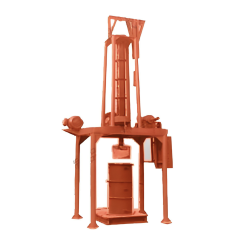
This centrifugal high-precision cement pipe making machine adopts advanced centrifugal compaction molding technology to produce cement pipes with ultra-high density, smooth inner walls, and excellent pressure resistance. It is specially designed for producing pressure pipes and jacking pipes that require high structural strength and tightness, such as urban tapwater supply pipes, long-distance water diversion pipelines, and underground jacking pipes for subway and road underpass projects. Equipped with full automatic PLC control system, it can automatically complete the processes of material feeding, centrifugal forming, and demolding, minimizing human intervention and ensuring consistent product quality. Targeting high-grade infrastructure projects and professional precast pipe factories, this machine solves the pain point of low precision and poor pressure resistance of traditional cement pipe production equipment, meeting the strict quality requirements of pressure pipeline projects.
Customer reviews

Sarah Davis · Quality Control Specialist
From a quality perspective, this machine produces cement pipes with excellent dimensional accuracy and surface finish. The automated curing process ensures optimal strength development. We've tested the pipes extensively, and they consistently exceed ASTM standards. The production consistency is remarkable, with minimal variation between batches.
John Smith · Construction Project Manager
The Centrifugal High-Precision Cement Pipe Making Machine has significantly improved our pipeline production efficiency. Its high-precision molding ensures uniform wall thickness and smooth inner surfaces, reducing material waste. The automated operation minimizes manual intervention, allowing us to produce large quantities consistently. It's a game-changer for our infrastructure projects.
Michael Brown · Factory Production Supervisor
This machine has transformed our pipe manufacturing process. The high-speed centrifugal casting produces pipes with superior structural integrity compared to traditional methods. The energy-efficient design has lowered our operational costs while increasing output. The safety features and user-friendly interface make it easy for operators to work with.
Emily Johnson · Civil Engineer
As a civil engineer, I appreciate the machine's ability to produce cement pipes with precise dimensions and excellent compressive strength. The centrifugal process creates dense, durable pipes perfect for drainage systems. The adjustable speed control allows customization for different pipe specifications. It's reliable and requires minimal maintenance.
David Wilson · Municipal Waterworks Technician
We've been using pipes made by this machine for our water supply network for over a year. The precision and quality are exceptional - no leaks or cracks even under high pressure. The consistent quality control means every pipe meets strict industry standards. It's worth the investment for any serious infrastructure project.
Product Description
Product features:
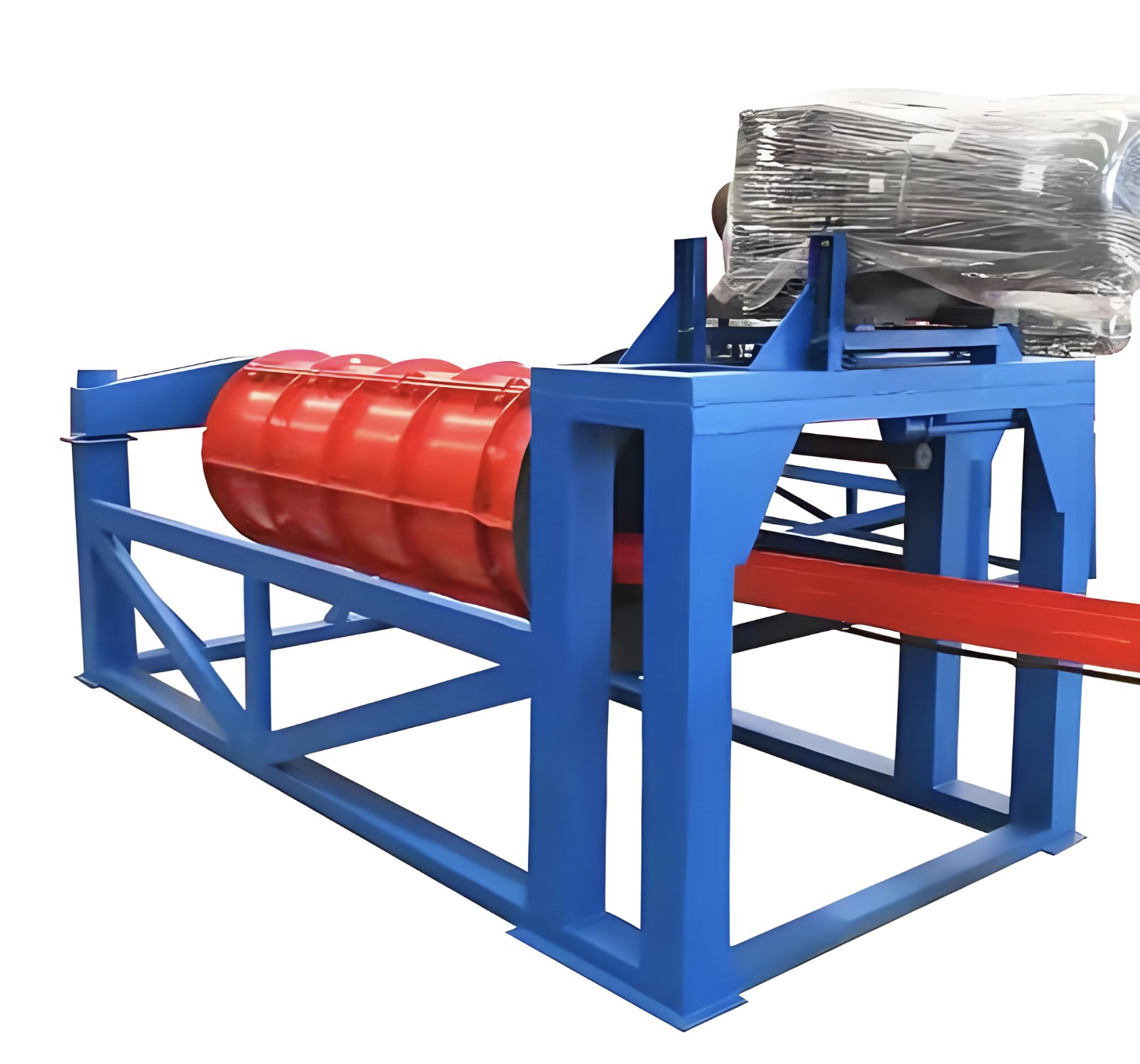
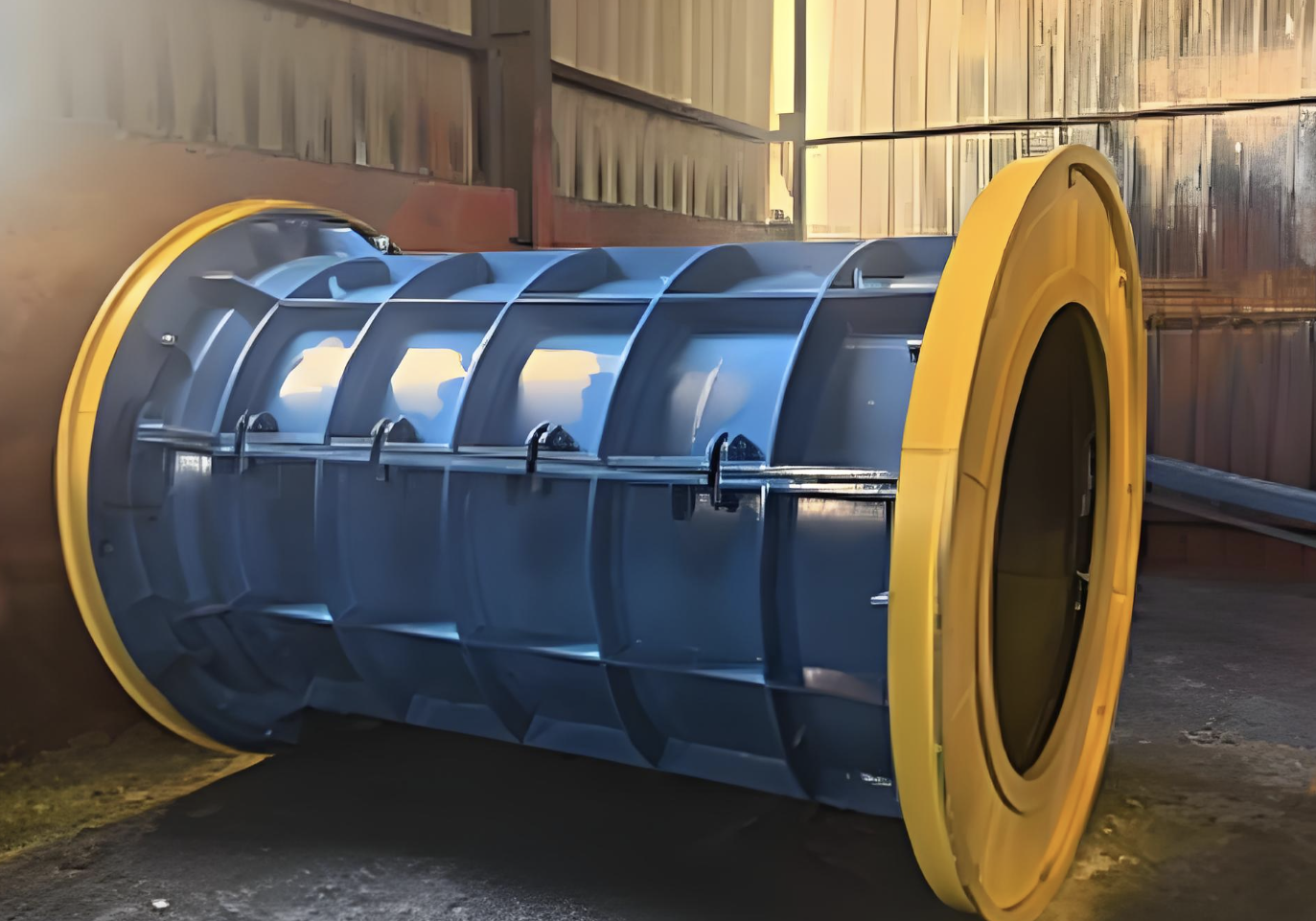
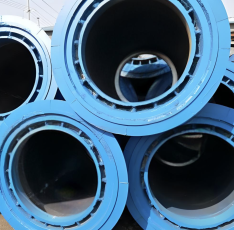
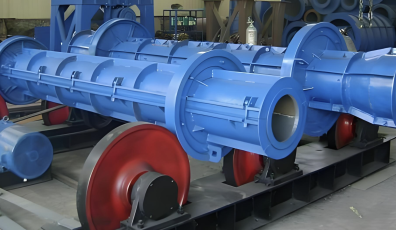
The key technical highlight of this machine is its centrifugal compaction molding process, which uses high-speed rotation to compact the concrete mixture evenly, resulting in pipes with density up to 2.4g/cm³ and pressure resistance up to 1.6MPa, meeting the requirements of high-pressure water supply projects. The full automatic PLC control system supports one-button operation, with real-time monitoring of rotating speed, material feeding amount, and forming time, ensuring that each batch of products meets the same quality standards. The split steel mold with advanced sealing device effectively prevents concrete slurry leakage during centrifugal forming, ensuring smooth inner walls of the finished pipes. The heavy-duty welded alloy steel frame provides excellent stability during high-speed rotation, reducing vibration and extending the service life of the machine. Additionally, it is equipped with a dedicated dust removal device to reduce environmental pollution during production.
Product specifications:
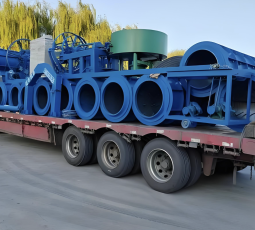
The overall dimensions of the machine are 9.2m in length, 4.5m in width, and 3.6m in height. The main driving motor has a power of 37kW, with an adjustable rotating speed range of 0-60rpm. The split steel molds are available in diameters from 400mm to 1500mm, compatible with pipe lengths from 1m to 3.5m. The total operational weight is 12.6 tons, and it requires a 380V 50Hz 3-phase power supply with a maximum current of 80A. The standard production output is 10 to 15 finished pipes per 8-hour work shift. The machine is equipped with a fully automatic feeding system and a hydraulic demolding device, and the electrical control system supports remote monitoring and fault diagnosis functions.
Product application:
This centrifugal high-precision cement pipe making machine is mainly applied in high-pressure water supply pipeline projects, long-distance water diversion projects, subway underpass jacking pipe construction, and sewage treatment plant pressure pipeline laying. It is suitable for professional precast concrete component factories, large-scale water conservancy construction companies, and municipal engineering companies undertaking high-grade infrastructure projects. Typical use cases include producing tapwater supply pipes for urban residential areas, manufacturing jacking pipes for urban road underpasses, and manufacturing pressure sewage pipes for industrial wastewater discharge projects. It can also be used to produce offshore power station cooling water pipes, meeting the specialized needs of high-precision and high-strength pipeline projects.
Frequently Asked Questions (FAQ)
Q:Why choose a Centrifugal High-Precision Cement Pipe Making Machine for drainage projects?
A:Centrifugal High-Precision Cement Pipe Making Machines utilize centrifugal force to create seamless pipes with superior strength (≥40MPa). They excel in producing drainage pipes (300-2,000mm) with precise inner/outer diameter tolerances (±1mm) and high resistance to water pressure (≥0.2MPa).












 Post RFQ


 Chat
Chat


 ALL CATEGORIES