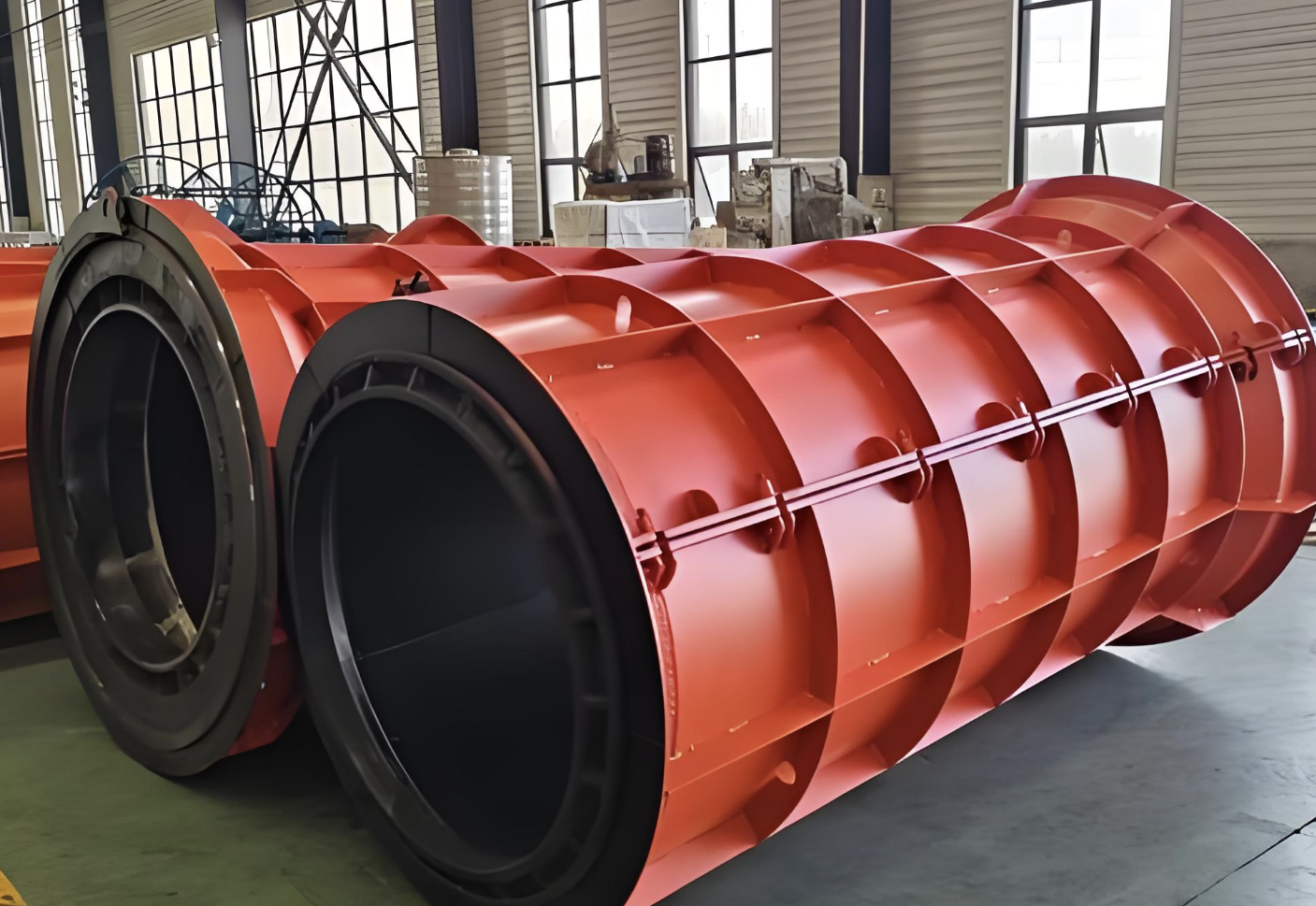
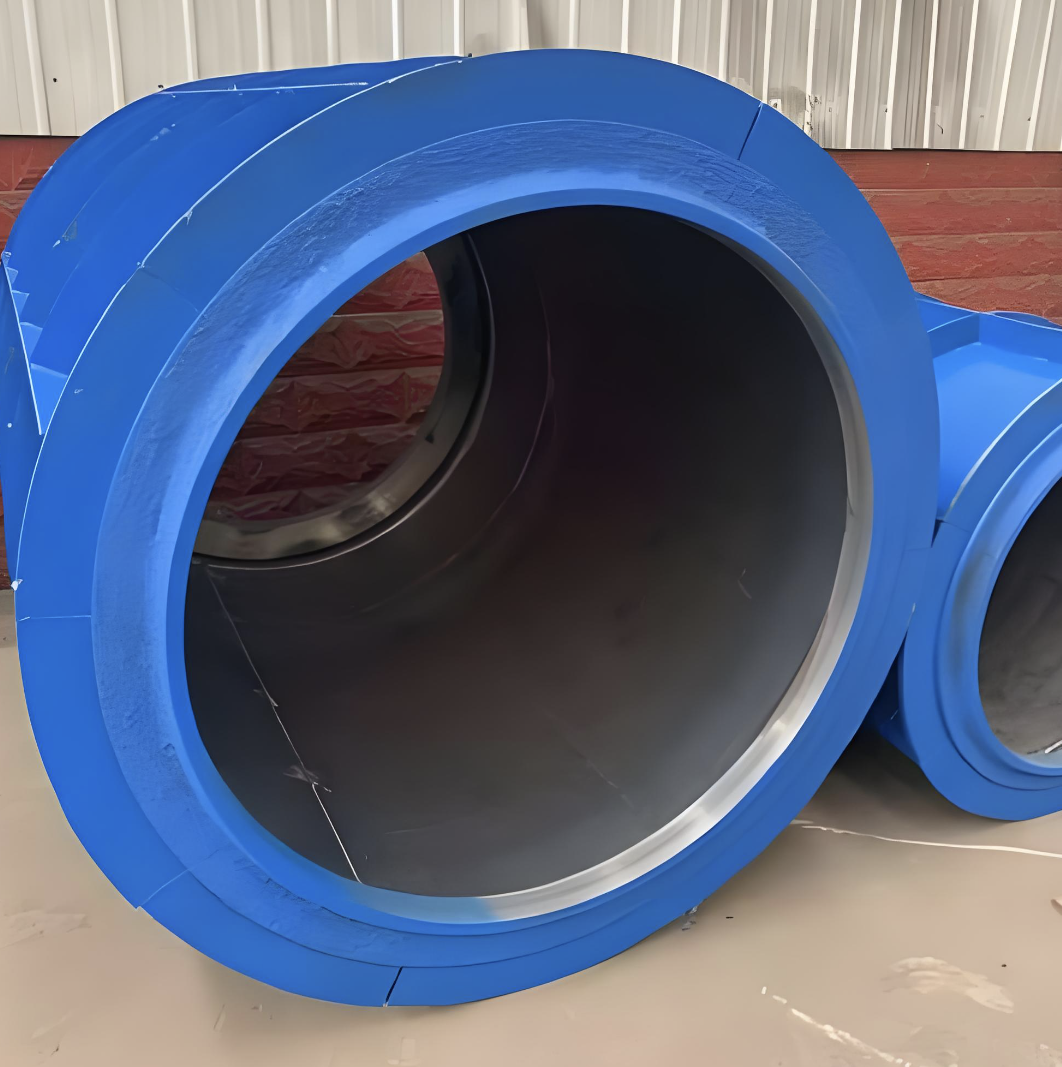





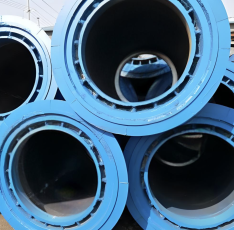
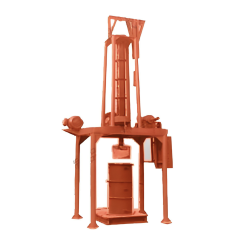
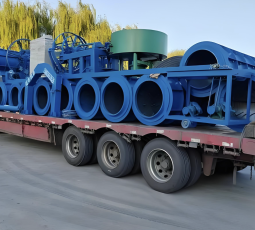
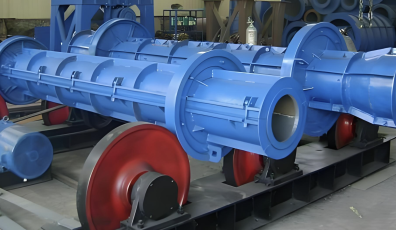

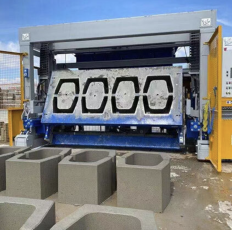
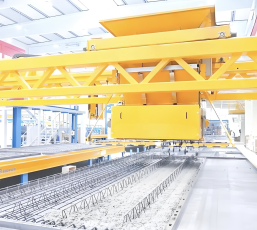
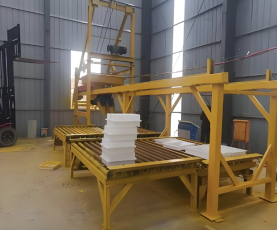
The core advantage of this machine lies in its advanced suspension roll molding process, which ensures that the concrete mixture is evenly compacted, resulting in pipes with consistent wall thickness and excellent compressive strength that meets national standard GB/T 11836-2009. The PLC control system allows for precise adjustment of forming speed and operating parameters, ensuring stable production quality across batches. The hydraulic automatic demolding system eliminates manual handling of heavy molds, reducing the risk of workplace injuries and improving operational safety. It also comes with a matching conveyor belt feeding device to streamline the material feeding process, further boosting production efficiency. The heavy-duty frame design minimizes vibration during operation, extending the service life of the machine and reducing maintenance frequency.
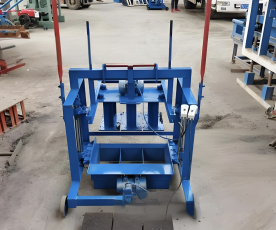
The overall dimensions of the machine are 7.6m in length, 3.2m in width, and 2.8m in height. The main driving motor has a power of 22kW, with an adjustable speed range of 0-25rpm. The equipped roll wheels have diameters ranging from 600mm to 2000mm, compatible with pipe lengths from 1m to 4m. The total operational weight is 8.5 tons, and it requires a 380V 50Hz 3-phase power supply. The standard production output is 15 to 20 finished pipes per 8-hour work shift. The hydraulic demolding system has a maximum bearing capacity of 5 tons, and the electrical control cabinet has a protective grade of IP55 to adapt to harsh construction site environments. The machine is also equipped with a dedicated mold cleaning station to simplify mold maintenance work.
This suspension roller cement pipe making machine is mainly used in municipal drainage pipe projects, urban water supply network construction, sewage treatment plant pipeline laying, and large-scale agricultural irrigation pipe projects. It is suitable for medium and large precast concrete component factories, municipal engineering contractors, and water conservancy construction companies. Typical application scenarios include laying drainage pipelines for urban road reconstruction, installing pressure water supply pipes for regional water diversion projects, and producing large-diameter sewage pipes for sewage treatment plants. It can also be used to produce jacking pipes for underpass construction projects, meeting the specialized needs of high-grade infrastructure projects.







 Post RFQ


 Chat
Chat


 ALL CATEGORIES