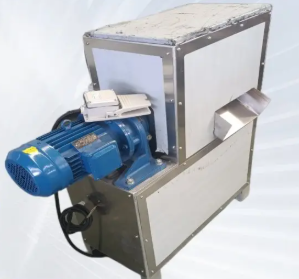
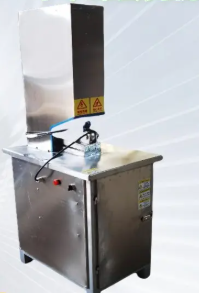


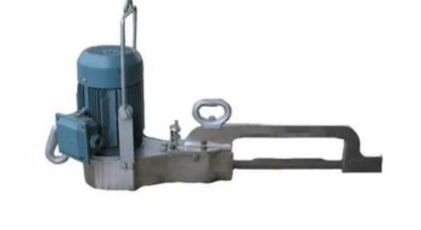
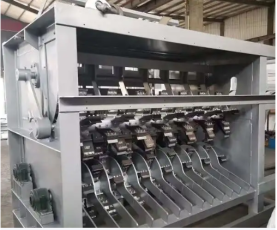
The core advantages of this equipment lie in its efficient shearing capability, clean cuts, and safe operation. The hydraulic/pneumatic drive system delivers smooth and powerful shearing force, capable of handling the hoof bone and keratin layer of animals of various sizes. Its curved compound-edge blade design conforms to the physiological contour of the hoof, helping to reduce cutting resistance and achieve a smooth, clean cut. This not only benefits subsequent processing steps but also minimizes potential microbial harborage points. The V-type self-centering vise quickly aligns and securely clamps legs of different thicknesses, effectively preventing slippage and ensuring precise cut positioning. The mandatory two-hand simultaneous operation control is a critical safety feature that significantly reduces the risk of serious accidents caused by accidental activation. Furthermore, the robust mobile base frame allows for flexible deployment and use at different points along the production line.
The shearing force of the equipment ranges from 5 to 20 tons depending on the model. The cutting stroke is typically 100-150 mm. The applicable hoof diameter range is up to 150 mm for cattle and 80-120 mm for pigs. A single operational cycle (clamp-cut-release) takes approximately 3-5 seconds. For independent hydraulic power units, the motor power is typically 3 kW to 5.5 kW. The net weight of the equipment is approximately 150-300 kg. The blades feature an easy-to-remove design for convenient sharpening or replacement. All metal parts that may come into contact with the carcass are either corrosion-treated or made of stainless steel.
This equipment is primarily used in pig and cattle slaughter lines. Typically, the front hooves are removed after bleeding and before scalding or skinning, while the rear hooves are removed after skinning or dehairing and before evisceration. The operating sequence is as follows: the operator places the leg of the bled animal into the V-vise of the equipment -> activates the clamping device via a foot pedal or manual lever -> simultaneously presses both start buttons to execute a rapid shear -> releases the vise and disposes of the severed hoof. A clean hoof cut facilitates the smooth operation of subsequent scalding/dehairing or skinning machinery by preventing snagging or entanglement issues. For cattle slaughter, a neat hoof cut is also a consideration in carcass grading. The application of this equipment mechanizes and standardizes the dehoofing process, representing a significant step in enhancing the overall automation level and production efficiency of the slaughter line.








 Post RFQ


 Chat
Chat




 ALL CATEGORIES