Basic Info
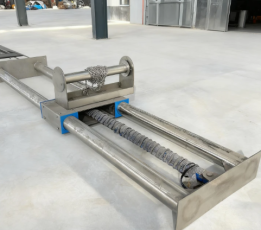
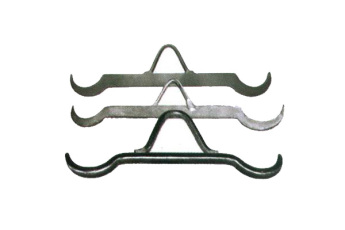
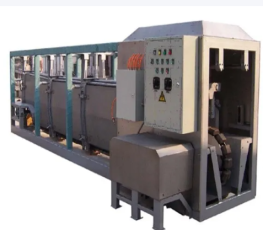
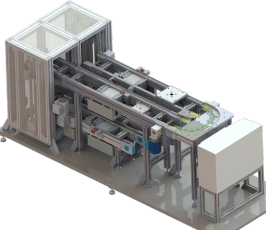
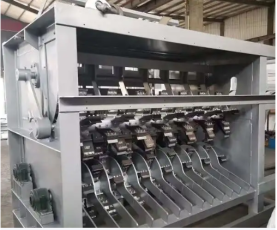
The CDT-80 Double-Rail Trolley System is the core conveying equipment for modern cattle slaughter lines. Featuring a robust double-rail design, it uses gravity to move trolleys carrying suspended carcasses smoothly, enabling seamless transfer from stunning and bleeding through pre-skinning, carcass inspection, and splitting. Engineered specifically to withstand heavy loads and continuous high-intensity operation, it is foundational infrastructure for improving line efficiency and ensuring operational safety.
Customer reviews
Elena Costa · Head of Livestock Processing Department
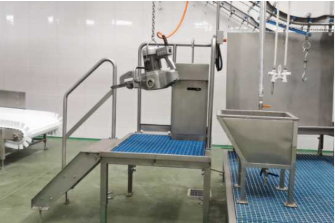
This hide puller is particularly suitable for our scale of processing 200–300 sheep per day. The hydraulic system provides steady pulling force, increasing hide integrity rates from 85% with manual operation to over 98%. The mobile design allows flexible deployment between two production lines, and daily lubrication maintenance takes only about 10 minutes.
Sarah Johnson · Quality Control Manager
This sink is very professionally designed. The dual-compartment zoning allows us to strictly follow the "separation of clean and dirty processes" operating procedure, effectively preventing cross-contamination risks. It is robust enough to withstand our high-intensity, frequent cleaning operations. The included accessories, like the knife sterilizer basin and draining basket, are very practical and have enhanced the overall operational standards and efficiency of our offal handling section.
Alexander Schmidt · Project Engineering Manager
This single-rail system has made our production line layout extremely flexible, and installation was simpler than expected. After one year of operation, the rails show almost no wear, and the trolleys still rotate smoothly. Most importantly, it has helped us save about 15% of workshop floor space, making subsequent equipment installation much easier. Maintenance costs are significantly lower than with the old double-rail system.
Product Description
Product Features:
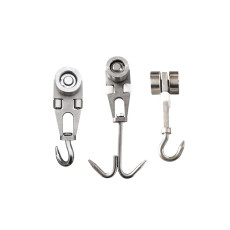
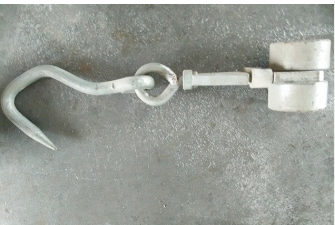
The core feature of this system is high-load capacity and smooth gravity-powered conveyance. The double-rail design (main rail for load-bearing, auxiliary rail for guidance) provides exceptional stability and torsional resistance, capable of handling the immense inertial forces of carcasses weighing over half a ton during high-speed directional changes. Heavy-duty forged sheaves with sealed bearings ensure smooth, quiet, low-maintenance operation and resistance to high-pressure washdown. Anti-derailment safety hooks with mechanical locking mechanisms eliminate the critical safety risk of accidental carcass detachment during transport. Modular and standardized design allows rails to be easily installed, extended, or reconfigured according to plant layout, and combined with switches and turntables for flexible process routing. Hot-dip galvanizing provides long-term rust and corrosion resistance, suitable for the damp, corrosive environment of slaughter facilities.

Product Specifications:
Standard rail mounting height is 3.5 to 4.5 meters (customizable). Trolley spacing is typically 1.2 to 1.8 meters to suit different process rhythms. Single trolley assembly static load capacity is ≥800kg, dynamic load capacity ≥500kg. The system is designed to operate on a gradient between 1% and 3% to achieve ideal gravity-feed speed. Rail joints use high-strength fishplate bolted connections to ensure overall straightness and strength. The optional centralized lubrication system can automatically and periodically inject grease into bearings, significantly extending service life and reducing manual maintenance.
Product Application:
This system spans the entire main cattle slaughtering process. Application flow: After stunning and bleeding, the carcass is hoisted by the hind leg tendons onto the trolley hook -> The carcass moves via gravity along the rails sequentially through the pre-skinning station (initial leg and belly skinning), hide puller station, evisceration station, official veterinary inspection rail, carcass trimming and rinsing station, and finally to the splitting saw station. Its continuous, smooth conveyance not only enables production pacing and dramatically improves efficiency but, more importantly, keeps carcasses in an organized, traceable, suspended state, preventing floor contamination. This aligns with the core requirements of HACCP food safety management systems and is a standard feature in modern slaughterhouses.
Frequently Asked Questions (FAQ)
Q:What is the maximum weight capacity of this system?
A:Our standard system features a single hook dynamic load capacity of 500 kg and a static load capacity exceeding 800 kg, ensuring safe handling of all cattle sizes, including large bulls.
Q:How much production line length is required for installation?
A:The system employs a modular design. Its total length can be fully customized based on your workshop layout and process needs (e.g., number of workstations). We provide complete solutions from design to installation.
Q:Do the rails and trolleys require frequent maintenance?
A:Key components are hot-dip galvanized and use sealed bearings for wear and corrosion resistance. We recommend regular inspections paired with an optional automatic centralized lubrication system to significantly reduce maintenance frequency and cost.
Q:Can it integrate with our existing slaughter equipment (e.g., hide puller, splitting saw)?
A:Yes. Rail height, gradient, and hook spacing are adjustable. The system can seamlessly connect to your existing machinery via switches and turntables, forming a continuous automated production line.
Q:: Is the operating speed (cycle time) adjustable?
A:Yes. A stable gravity-fed cycle time can be achieved by precisely controlling the installation gradient of the rails and the spacing of the trolleys, meeting your varying production capacity demands.
Q:Is it easy to clean and sanitize?
A:The system is designed to meet hygiene standards with no sanitary dead spots. All components can withstand high-pressure hot water washdown and food-grade disinfectants, facilitating daily cleaning and compliance audits.