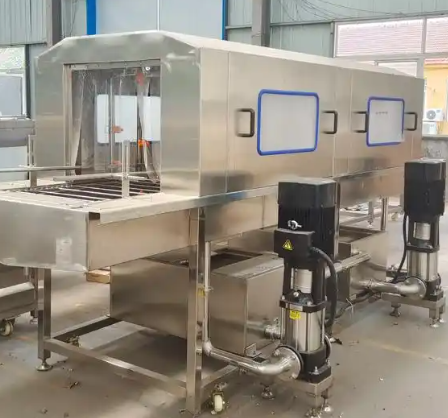
Basic Info
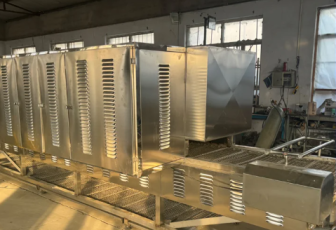
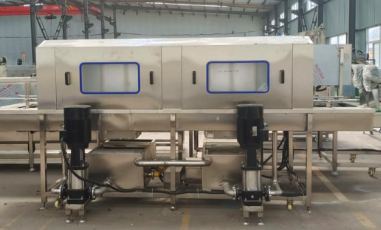
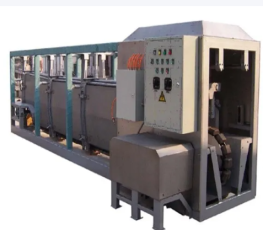
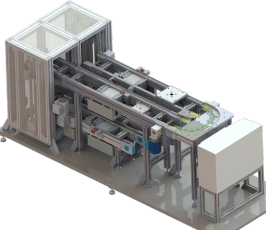
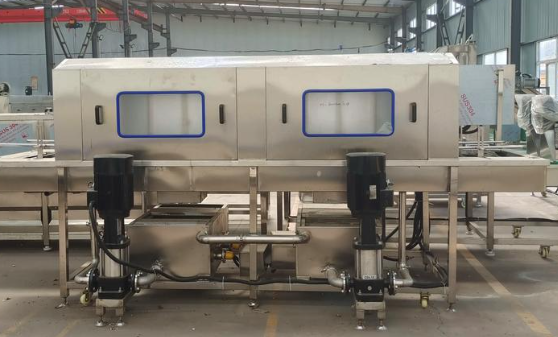
The PCW-1000 is a highly efficient, fully automatic continuous pig washer, installed after scalding and dehairing. It thoroughly removes residual hair, scurf, blood stains, and other contaminants from the hog carcass surface through high-pressure hot water sprays and physical scrubbing by rotating brushes. It also pre-warms the carcass, preparing it for subsequent singeing or polishing processes. It is a key piece of equipment for ensuring the final cleanliness of pork sides.
Customer reviews
Elena Costa · Head of Livestock Processing Department
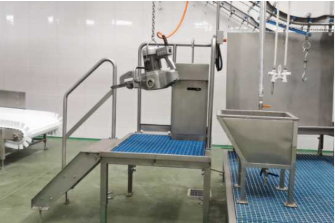
This hide puller is particularly suitable for our scale of processing 200–300 sheep per day. The hydraulic system provides steady pulling force, increasing hide integrity rates from 85% with manual operation to over 98%. The mobile design allows flexible deployment between two production lines, and daily lubrication maintenance takes only about 10 minutes.
Sarah Johnson · Quality Control Manager
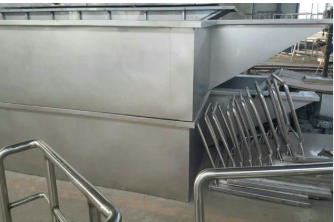
This sink is very professionally designed. The dual-compartment zoning allows us to strictly follow the "separation of clean and dirty processes" operating procedure, effectively preventing cross-contamination risks. It is robust enough to withstand our high-intensity, frequent cleaning operations. The included accessories, like the knife sterilizer basin and draining basket, are very practical and have enhanced the overall operational standards and efficiency of our offal handling section.
Alexander Schmidt · Project Engineering Manager
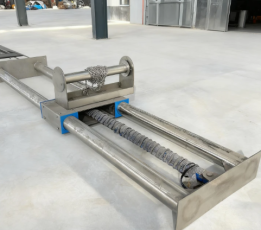
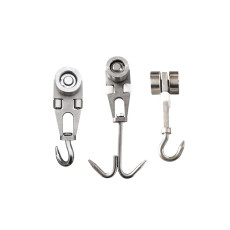
This single-rail system has made our production line layout extremely flexible, and installation was simpler than expected. After one year of operation, the rails show almost no wear, and the trolleys still rotate smoothly. Most importantly, it has helped us save about 15% of workshop floor space, making subsequent equipment installation much easier. Maintenance costs are significantly lower than with the old double-rail system.
Product Description
Product Features:
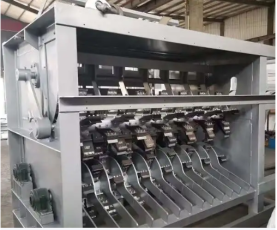
This machine integrates powerful cleaning with pre-warming. High-pressure, multi-angle hot water sprays wash away most loose debris and soften stubborn grime. The following high-intensity rotating nylon brush rollers effectively remove black scurf from pores and tenacious skin flakes, especially in hard-to-clean areas like the ears, armpits, and legs. Adjustable spray pressure and brush roller speed accommodate different pig breeds and cleanliness levels. The closed-loop hot water recirculation and three-stage filtration system significantly reduce water and energy consumption, lowering operating costs. The all-stainless steel, sanitary construction ensures corrosion resistance, easy cleaning, and compliance with food-contact standards. PLC automation provides precise control over wash time, water temperature, and pressure, guaranteeing consistent cleaning results.

Product Specifications:
The machine tunnel length is typically 6-10 meters, with a processing capacity of 300-600 heads per hour. Operating water temperature is usually set between 58-62°C for optimal cleaning and pre-warming. The number of brush rollers is typically 4 to 8 pairs (arranged top, bottom, and sides). Main motor power ranges from 7.5kW to 18.5kW depending on size. An automatic chemical dosing unit (optional) can be added for food-grade detergents or sanitizers. The equipment includes overflow, drain, and quick-fill valves for easy maintenance. The enclosure typically has an IP65 protection rating for wet environments.
Product Application:
This machine is a core washing station in the hog slaughter line, positioned after the dehairer and before the singeing furnace or polisher. Hog carcasses are conveyed at a constant speed through the washer tunnel, sequentially passing through the pre-rinse, main scrub, and final rinse sections. During this process, residual short hairs, loosened skin fats, and epidermal debris are thoroughly removed, and the carcass surface temperature is raised and evened out. A clean, warm carcass entering the subsequent singeing process achieves better results with lower energy consumption; if going directly to polishing, a shinier skin is obtained. The application of this equipment directly determines the commercial appearance grade of the pork side. It is a prerequisite for producing high-standard chilled pork sides and for further high-value cutting operations, widely used in large-scale pig slaughtering plants.
Frequently Asked Questions (FAQ)
Q:How effective is the cleaning?
A:Combining "high-pressure hot water spray + physical scrubbing by nylon brush rollers," it efficiently removes over 99% of residual short hair, scurf, and blood stains, providing excellent pretreatment for subsequent singeing or polishing.
Q:Are the water and steam energy consumption high during operation?
A:The equipment features hot water recirculation and a three-stage filtration system, allowing for the reuse of thermal energy and water resources. This can save up to 30% in energy and water consumption compared to traditional running-water cleaning methods.
Q:How is the wash water temperature controlled?
A:The system integrates an intelligent PID temperature control module. Using steam or electric heating, it maintains water temperature precisely at the set point (e.g., 58-62°C) with a fluctuation of less than ±0.5°C, ensuring consistent cleaning results.
Q:Do the brush bristles wear out easily?
A:High-density, food-grade nylon bristles offer strong wear resistance. The brush rollers have a modular design, allowing individual brush blocks to be replaced independently, keeping maintenance costs low without needing to replace the entire roller.
Q:What is its processing capacity?
A:Processing capacity depends on tunnel length and chain speed. Our standard model (e.g., PCW-1000) has a capacity of 300-600 heads per hour and can be customized according to your actual production needs.
Q:Is the machine prone to clogging?
A:It is equipped with a hair collector and multi-stage filter screens to effectively intercept most debris. Large access panels and drain valves are designed for easy daily cleaning and periodic maintenance.