Basic Info
Used on livestock farms to process manure slurry,separating solids(manure,bedding)from liquids(urine,wash water).This facilitates subsequent resource recovery(composting,biogas production,land application)and is a crucial first step in manure management.
Product Description
Product Features:
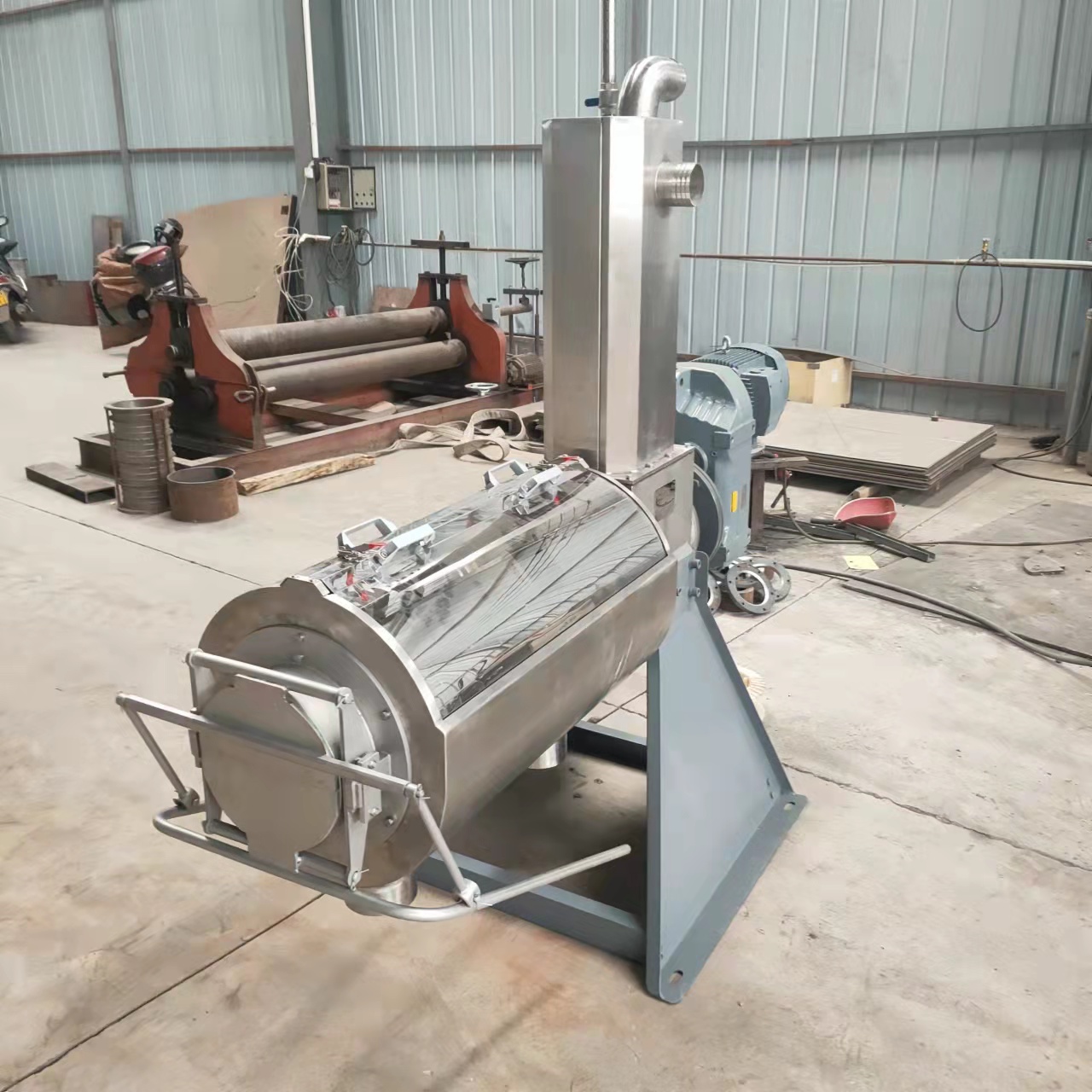
This equipment utilizes a tapered screw shaft with a reducing pitch inside a sealed screen cylinder.As the screw rotates,it exerts continuous axial and radial pressure on the incoming slurry.Liquids are forced through the precision stainless steel wedge wire screen,while solids are progressively dewatered and discharged as a relatively dry,fibrous material from the end.Key advantages include continuous operation,high dry matter extraction rates,and relatively low energy consumption.Wear-resistant screw flights and a robust screen design ensure durability when handling abrasive materials like sand and coarse fibers.Some models include a backflush system to prevent screen clogging.
Product Specifications:
A standard separator with a 30 m³/h capacity is roughly 4m long,1.2m wide,and 1.5m high,powered by a 15 kW motor.It requires a mixing/homogenization pit and a slurry feed pump for consistent input.The dryness of the solid output can be adjusted via an end counterweight or hydraulic back-pressure device.The unit must be installed on a solid concrete foundation with proper channels for collecting separated liquids and solids.
Product Applications:
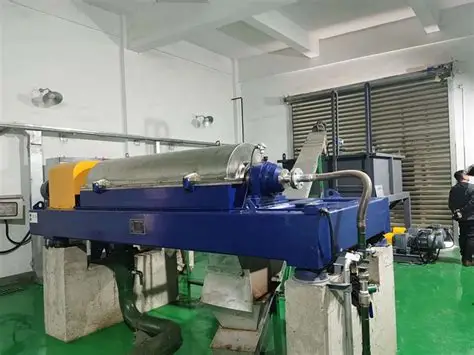
Used in manure handling systems on pig and cattle farms.Raw slurry is pumped from storage to the separator.The separated solids can be transported directly for aerobic composting into organic fertilizer.The liquid fraction can proceed to anaerobic digesters for biogas production or be stored in lagoons for later land application as liquid fertilizer.Separation significantly reduces the load on downstream processes(e.g.,reducing scum and sediment in digesters),cuts transportation costs,and creates a valuable solid by-product.It is a key link in integrated nutrient management and environmental compliance.
Frequently Asked Questions (FAQ)
Q:When using a solid-liquid separator for pig manure, how can screen clogging be prevented?
A:The key is controlling feed consistency—avoid overly thick slurry or material with excessive long fibers. Pre-dilution and homogenization with a mixer can help. Some models have high-pressure backflush nozzles for periodic automatic screen cleaning. Always thoroughly rinse the equipment with clean water after shutdown.
Q:What dry matter content can the separated solid manure achieve?
A:Depending on raw material moisture, it can typically separate solids with a dry matter content of about 25%-35% from liquid manure. Moisture content can be controlled by adjusting the pressure plate at the discharge outlet.
Q:What factors affect separation efficiency?
A:Mainly affected by the solid content, fiber proportion, and viscosity of the raw manure. Pre-removing large debris like long straw and appropriate dilution helps improve separation efficiency and screw lifespan.
Q:How to match processing capacity with farm scale?
A:Select based on daily manure production. For example, a separator with 15 m³/hour capacity can meet the daily needs of a farm with about 1000 pigs or 300 dairy cows.
Q:How to maintain the core component, the screw?
A:The screw is a wear part requiring regular inspection. Flush with clean water after daily use. When output becomes wetter and efficiency drops, it indicates possible wear of the screw or screen, requiring replacement.
Q:What are the uses for the separated solids and liquids?
A:Solid manure can be composted directly into organic fertilizer. The liquid portion, rich in nutrients, can be used for field irrigation or fed into biogas digesters, enabling resource recovery.









 Post RFQ


 Chat
Chat


 ALL CATEGORIES