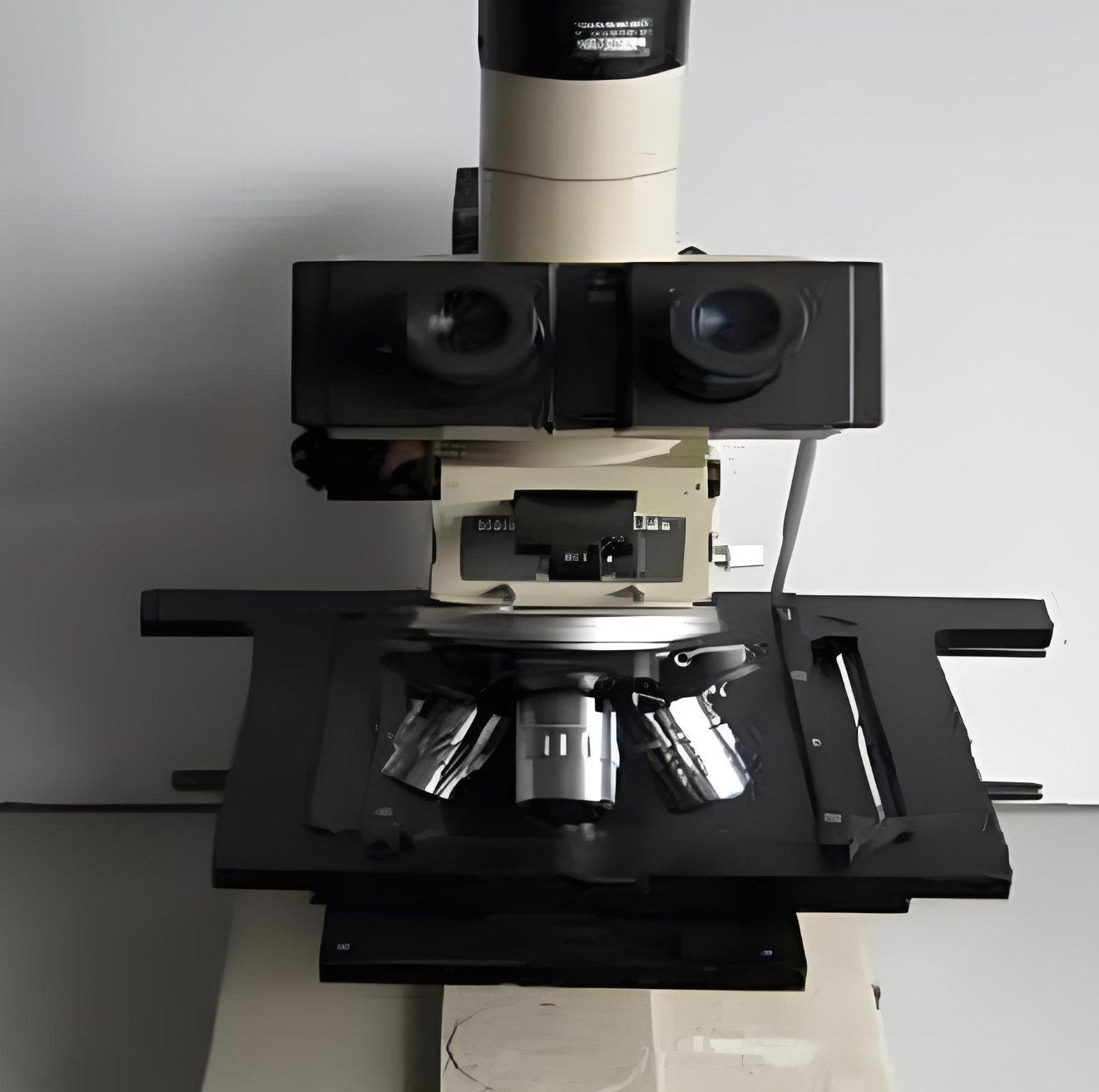
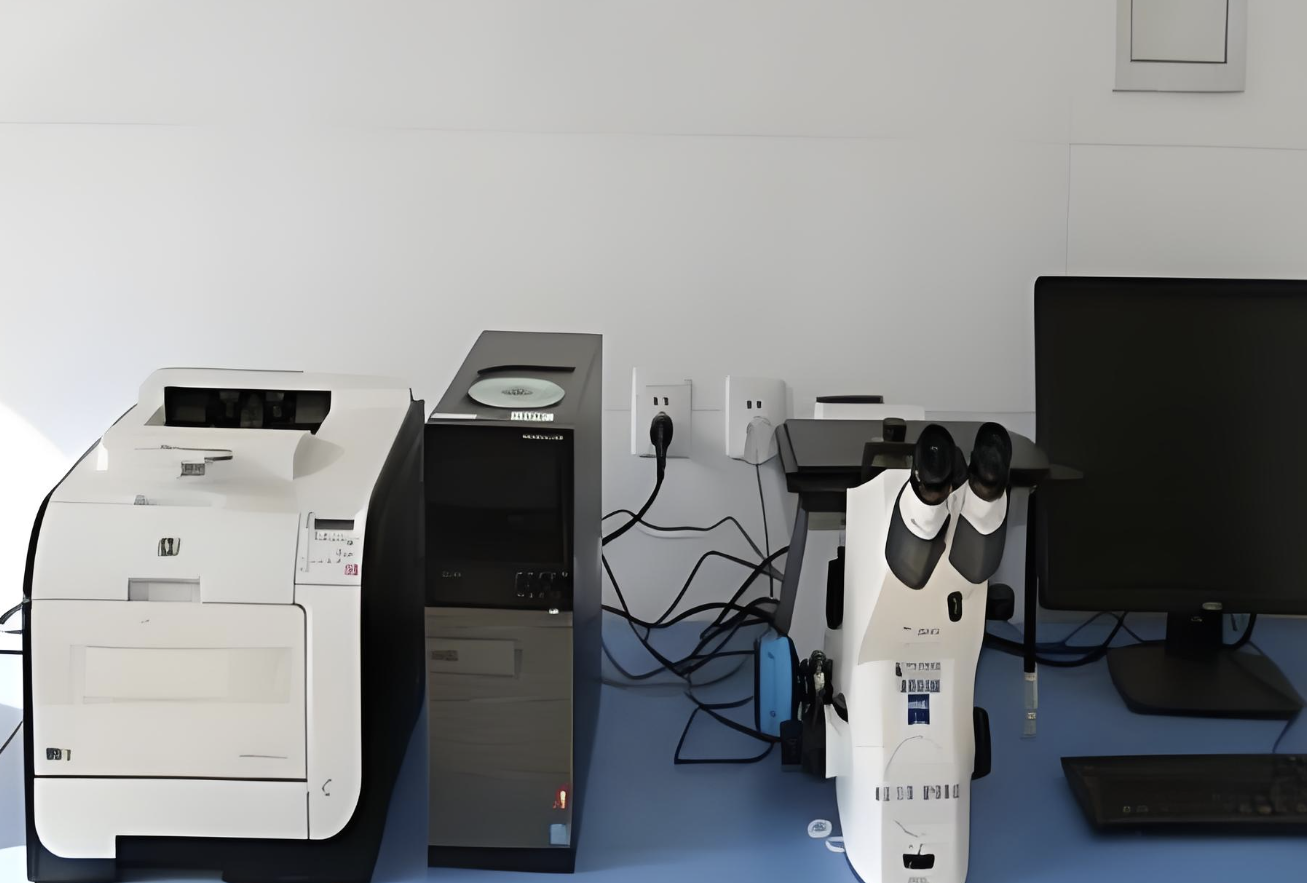


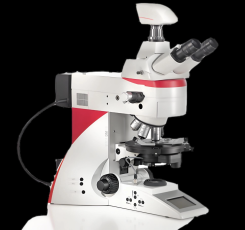
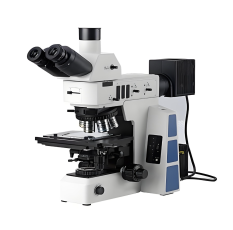
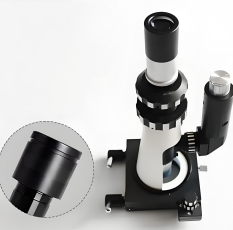
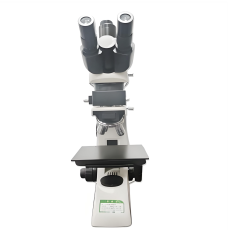

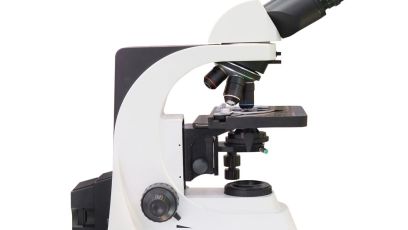
Compared with ordinary metallurgical microscopes, this high-temperature model solves the pain point of being unable to observe the high-temperature phase transformation process of materials. It is equipped with a precisely temperature-controlled heating sample stage with controllable heating speed, up to 1500°C, supporting vacuum or argon inert gas atmosphere control to avoid sample oxidation at high temperatures. It adopts high-end apochromatic objectives, which can eliminate optical path distortion in high-temperature environments and ensure imaging clarity. It is equipped with a 4MP thermal imaging camera, which can synchronize temperature changes and metallographic structure evolution process, generating complete high-temperature material performance analysis data. The high-precision temperature control system has a temperature control accuracy of ±1°C, ensuring the reliability and repeatability of experimental data.
The maximum magnification is 1200X, equipped with 3 pieces of high-end apochromatic objectives (10X/20X/50X), and comes standard with a 10X wide-field eyepiece with a field of view of 18mm. The heating sample stage has a size of 100*100mm, with a maximum heating temperature of 1500°C, and the heating time from room temperature to 1500°C is only 10 minutes, with a temperature control accuracy of ±1°C. It supports vacuum or inert gas atmosphere control, and is equipped with special gas interfaces and vacuum pump interfaces. The built-in 4MP CMOS camera supports synchronous storage of real-time temperature and imaging data. The overall size is 600mm*500mm*700mm, with a net weight of 28kg, and the power supply supports 380V three-phase AC adaptation. It is equipped with special temperature control software and data recording system, which can automatically generate high-temperature material phase transformation analysis reports.
It is mainly used in scientific research scenarios such as high-temperature material research and development in the metallurgical industry, high-temperature phase transformation observation in materials science, high-temperature alloy performance analysis in aerospace, and high-temperature behavior research of ceramic materials. Typical usage scenarios include: observation of high-temperature phase transformation process of steel, analysis of high-temperature alloy oxidation behavior, metallographic detection of ceramic material sintering process, high-temperature performance evaluation of aero-engine blade materials, and research and development testing of new high-temperature materials.







 Post RFQ


 Chat
Chat


 ALL CATEGORIES