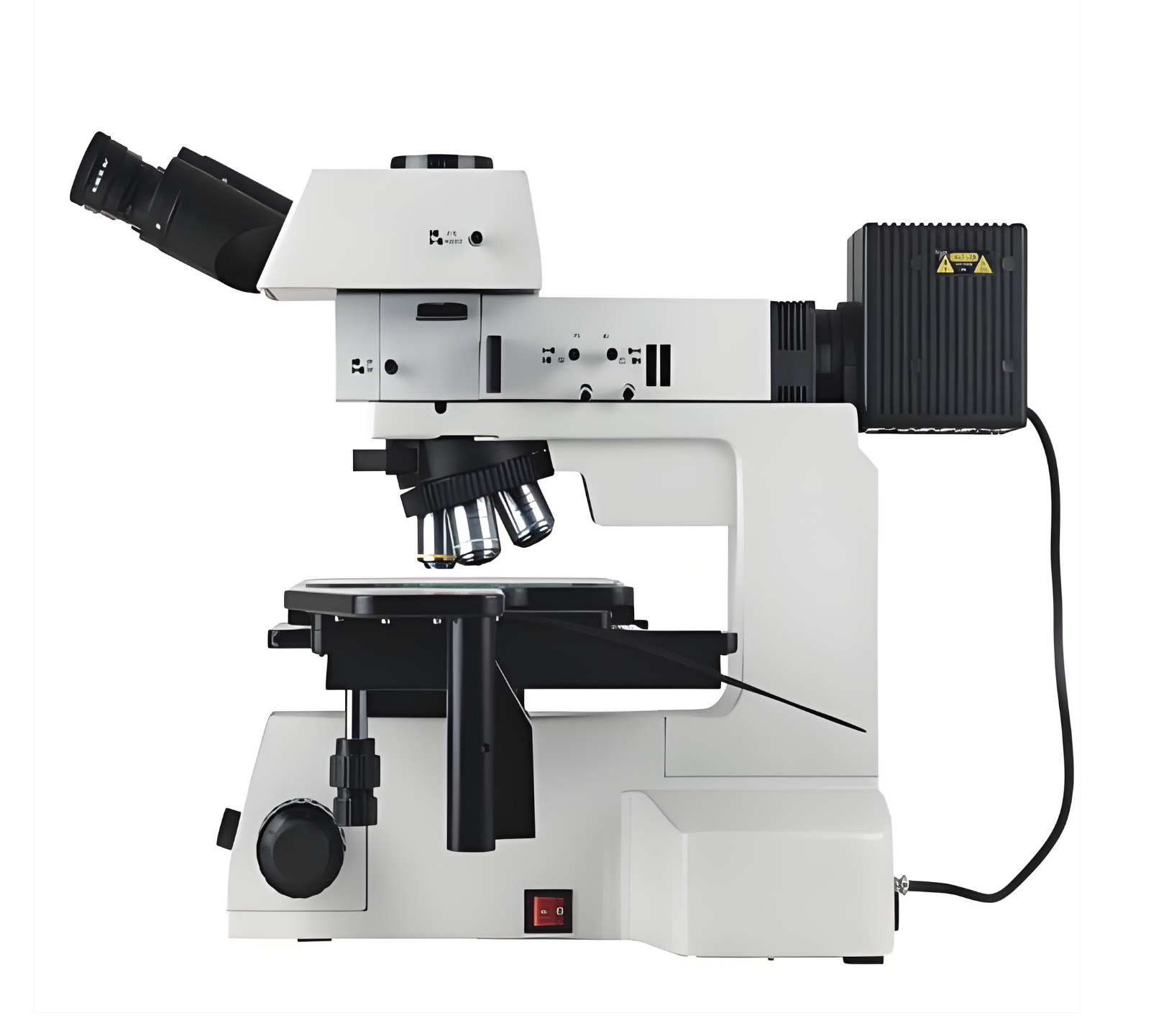
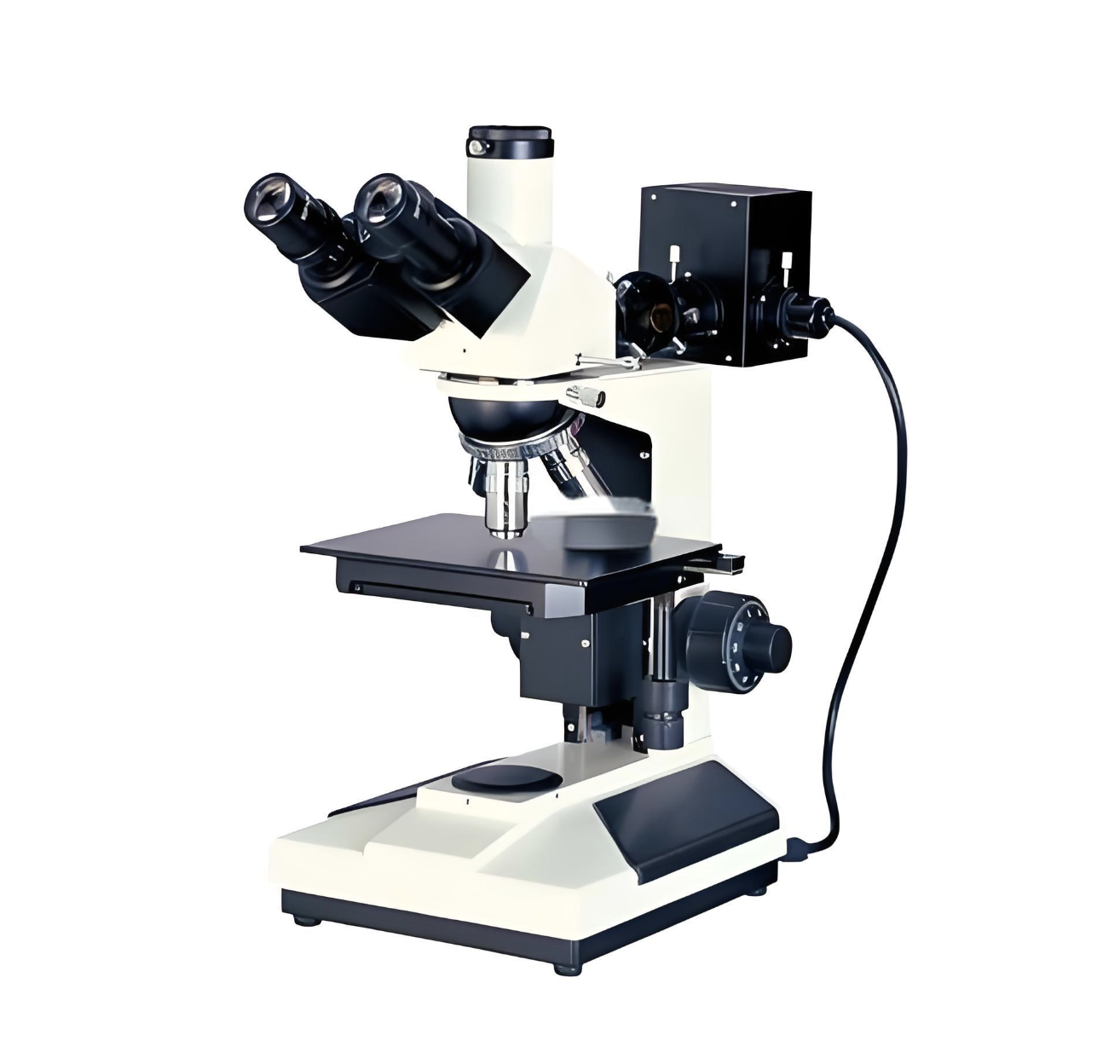


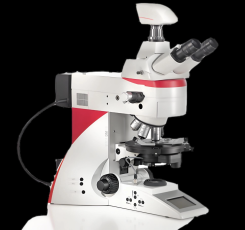
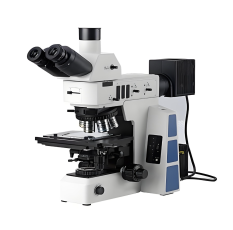
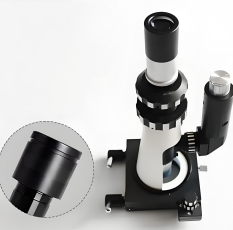
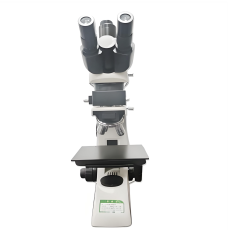

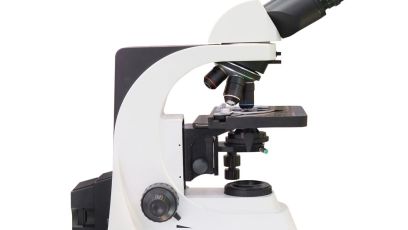
Adopting an infinite achromatic correction optical system, this microscope helps reduce chromatic aberration and spherical aberration, supporting clear imaging for metal microstructure observation. The manual focusing mechanism is equipped with a limit protection device to effectively help avoid accidental collision between the objective lens and the sample, reducing the risk of equipment damage during operation. The 6V30W halogen illumination source offers stepless brightness adjustment, with the color temperature stabilized at 3200K, which supports long-term observation while helping to reduce eye fatigue. The optional polarization module can be quickly installed to help meet the detection needs of non-metallic inclusions and anisotropic materials. The compact body weighs only 8.5kg, which supports convenient movement and layout adjustment in small laboratories. Compared with traditional entry-level metallurgical microscopes, it helps improve imaging clarity and reduce operational difficulty, addressing the pain points of blurred imaging and complex parameter adjustment often seen in low-cost metallurgical microscopes.
Overall Dimensions: 380x250x400mm, Eyepiece Field Diameter: 22mm, Numerical Aperture of Oil Immersion Objective: 1.25, Stage Travel: 75mm (horizontal) and 50mm (vertical), Focusing Range: 25mm, Coarse Adjustment Accuracy: 0.002mm per revolution, Fine Adjustment Accuracy: 0.0002mm per revolution, Illumination Brightness Adjustment Range: 0-100%, Host Net Weight: 8.5kg, Package Net Weight: 12.3kg, Working Environment Temperature: 10-35℃, Relative Humidity: 30-80% without condensation, Compatible with mainstream C-Mount digital imaging accessories.
This product is mainly used for metallurgical experiment teaching in college material majors, routine raw material testing in small and medium-sized metal processing plants, basic failure analysis of auto parts metallurgy, and microstructure observation of hardware products. It is suitable for small and medium-sized testing institutions and teaching units with limited laboratory space and budget, and can help meet most routine metallurgical detection needs in daily work. It is an ideal choice for beginners and small-scale testing teams who need basic metallurgical observation functions.







 Post RFQ


 Chat
Chat


 ALL CATEGORIES