Basic Info
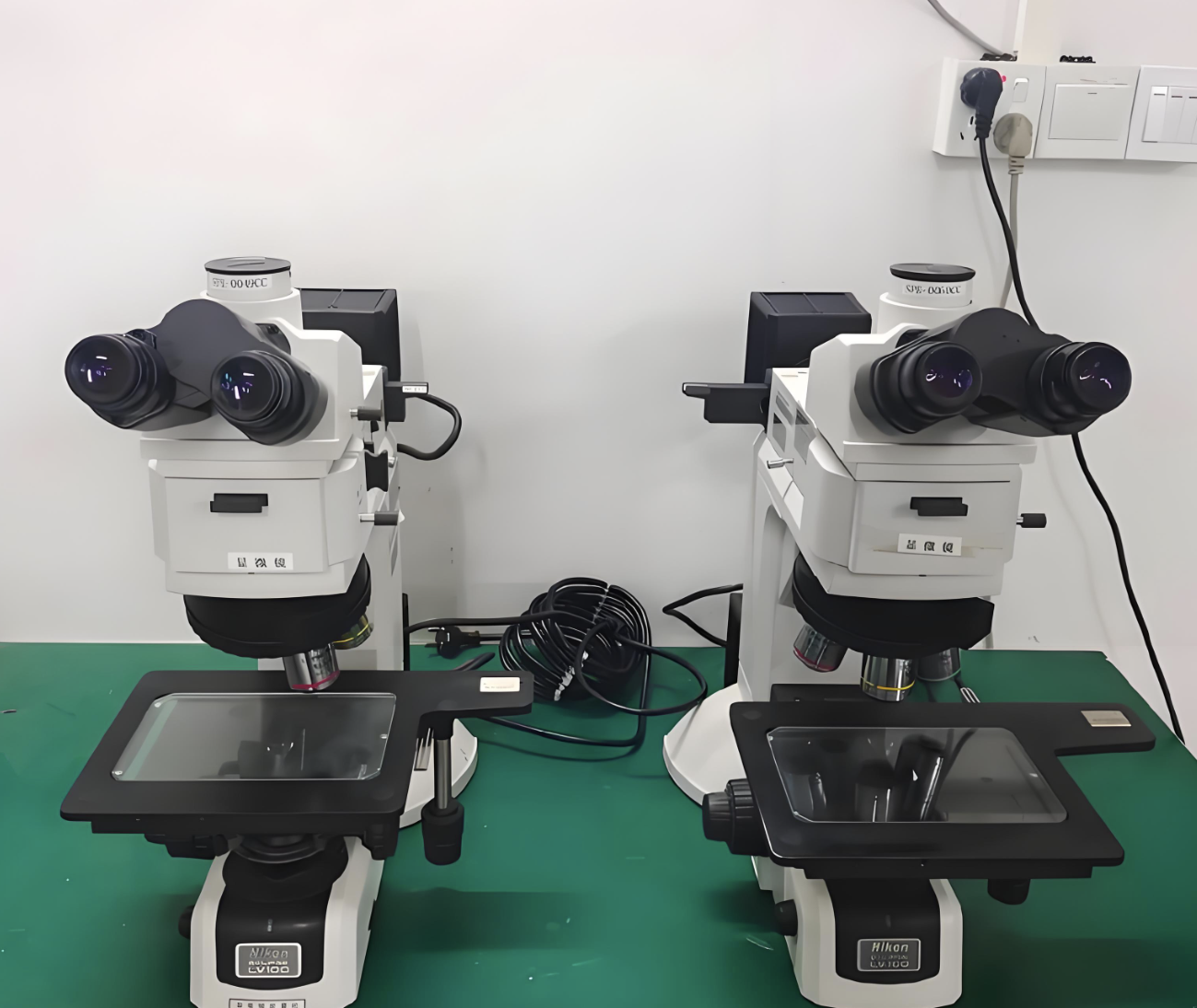
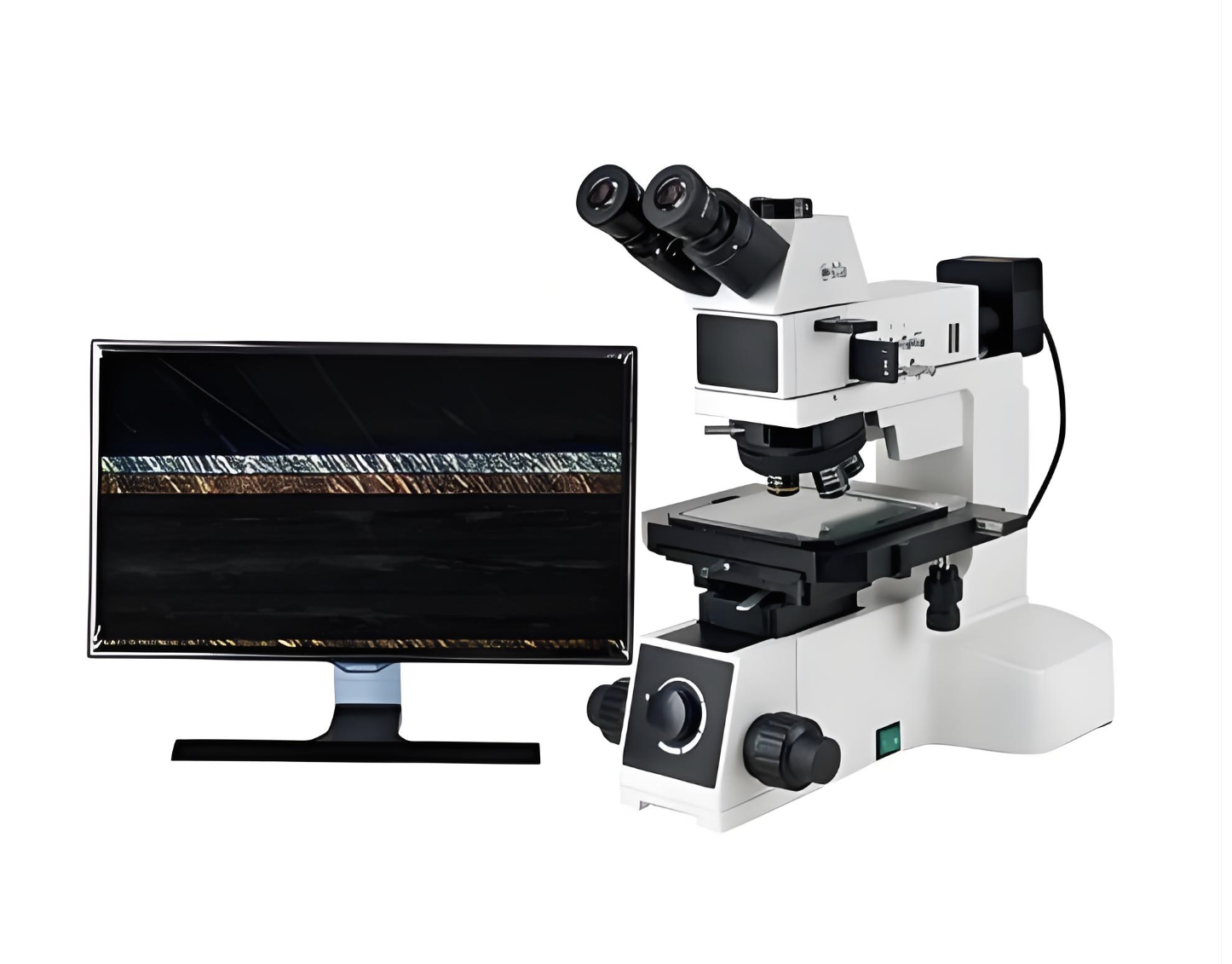
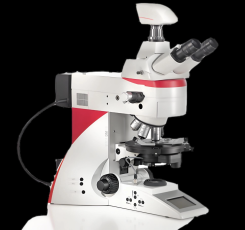
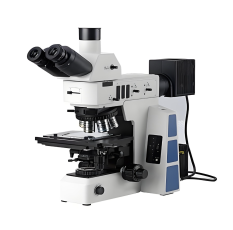
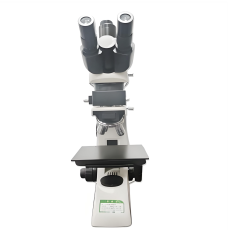
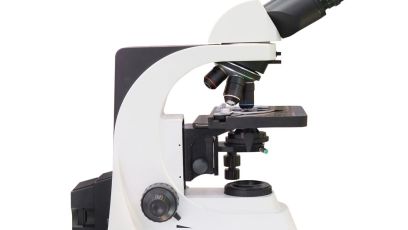
This upright metallurgical microscope is positioned as an entry-level teaching and basic research equipment, designed for undergraduate experimental courses of material science and mechanical engineering in colleges and universities, as well as small and medium-sized material testing studios. It adopts an upright optical path design with intuitive and easy-to-operate interface, paired with plan achromatic objectives to provide clear and distortion-free metallographic structure imaging, suitable for common metallographic slices and small semiconductor wafer sample detection. Equipped with a coaxial coarse and fine focusing structure, it ensures accurate sample positioning, helping students quickly master the core process of metallographic sample preparation and observation, meeting the observation needs of basic teaching and introductory research.
Customer reviews

John Smith · Materials Scientist
The Upright Teaching Metallurgical Microscope has been an excellent addition to our laboratory. Its ergonomic design and high-resolution optics make it perfect for teaching students about microstructure analysis. The adjustable illumination and easy-to-use controls allow for quick setup and precise observations. It's a reliable tool for both educational and research purposes.
David Thompson · Marine Equipment Supplier
Our experience with the salt spray test chamber has been excellent for evaluating corrosion resistance of marine hardware. The chamber maintains consistent salt concentration and temperature throughout prolonged tests (up to 1000 hours continuous). We particularly value the programmable test cycles that can alternate between salt spray, humidity, and drying periods to accelerate real-world corrosion effects. The corrosion assessment has helped us improve our coating processes significantly.
Product Description
Product features:
Compared with traditional metallurgical microscopes, this teaching-grade product focuses on optimizing operational friendliness, and is equipped with a quick-change objective turret that allows switching magnification without tools, reducing the threshold of experimental operations. It is equipped with a 6V30W halogen light source with a wide adjustable brightness range, suitable for observing metallographic samples with different contrast. It is equipped with a standard digital camera adapter interface, which can be directly connected to the teaching central control system or personal computer to realize real-time imaging and data storage, solving the pain point that traditional microscopes cannot share observation pictures synchronously. The body is made of lightweight die-cast aluminum alloy, which balances structural stability and portability, suitable for daily mobile use in the laboratory.
Product specifications:
The maximum magnification is 1000X, equipped with 4 pieces of plan achromatic objectives (4X/10X/40X/100X oil immersion lens), and comes standard with 10X wide-field eyepieces with a field of view of 18mm. The mechanical sample stage has a size of 150*130mm, with a sample clamp fixing device, supporting X/Y axis two-way movement adjustment with a stroke of 50*50mm. It adopts a coaxial coarse and fine focusing mechanism with a fine adjustment accuracy of 0.002mm. The light source is a 6V30W halogen lamp with continuously adjustable brightness, with a blue filter to improve imaging contrast. The overall size is 320mm (length)*250mm (width)*400mm (height), with a net weight of 8.5kg, and the power supply supports 110/220V AC wide voltage adaptation.
Product application:
It is mainly used in undergraduate experimental teaching of materials science and metallurgical engineering in colleges and universities, basic metallographic analysis of small and medium-sized metal product testing studios, and introductory metallographic observation for personal scientific research enthusiasts. Typical usage scenarios include: undergraduate junior metallographic sample preparation and imaging experiments, metallographic structure analysis of ordinary carbon steel, preliminary detection of defects in small castings, and surface observation of basic semiconductor wafers.
Frequently Asked Questions (FAQ)
Q:What are the key advantages of an Upright Teaching Metallurgical Microscope?
A:Upright Teaching Metallurgical Microscopes offer ergonomic design for classroom use, with coaxial coarse/fine focus (5μm precision) and LED illumination (3000K color temperature). Ideal for sample observation in materials science education.









 Post RFQ


 Chat
Chat


 ALL CATEGORIES