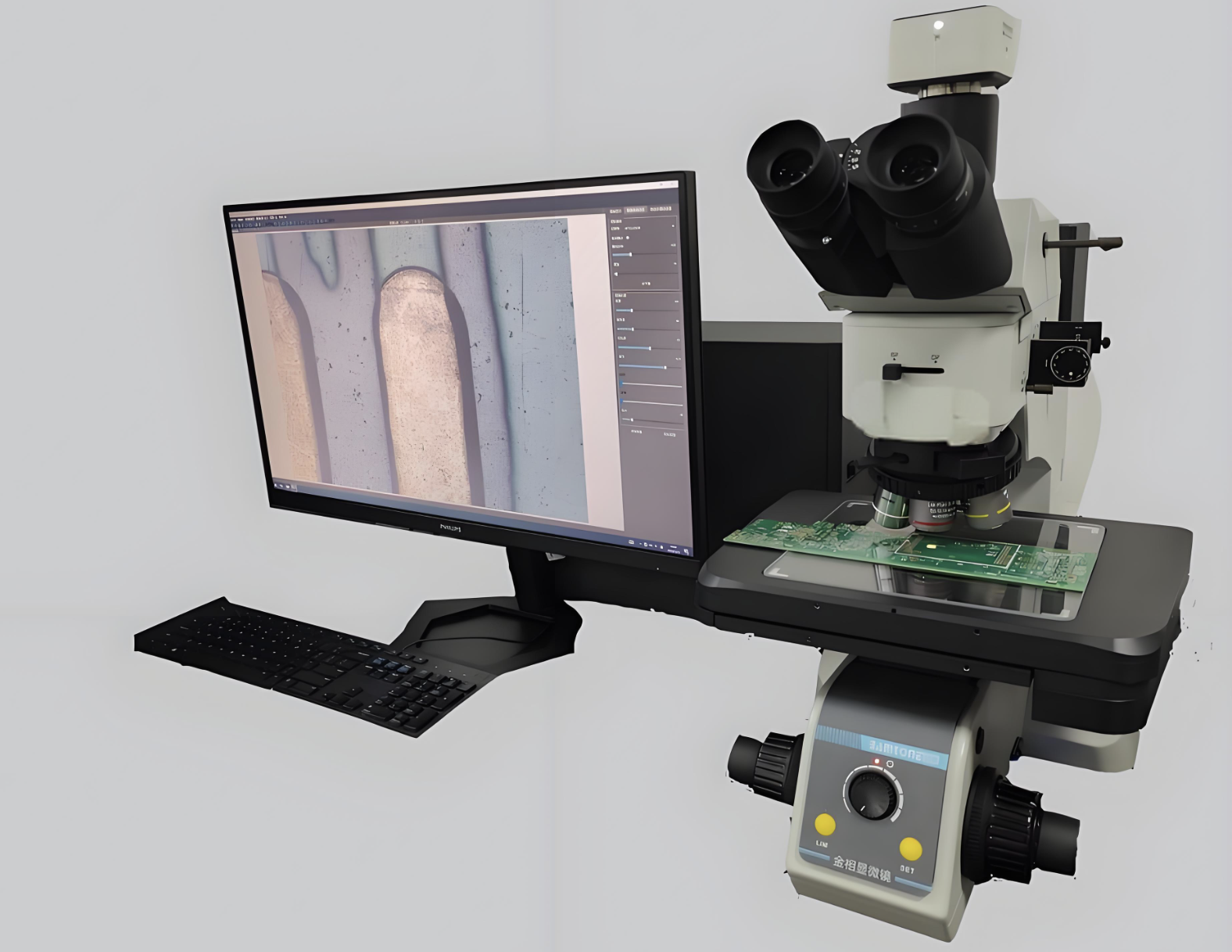
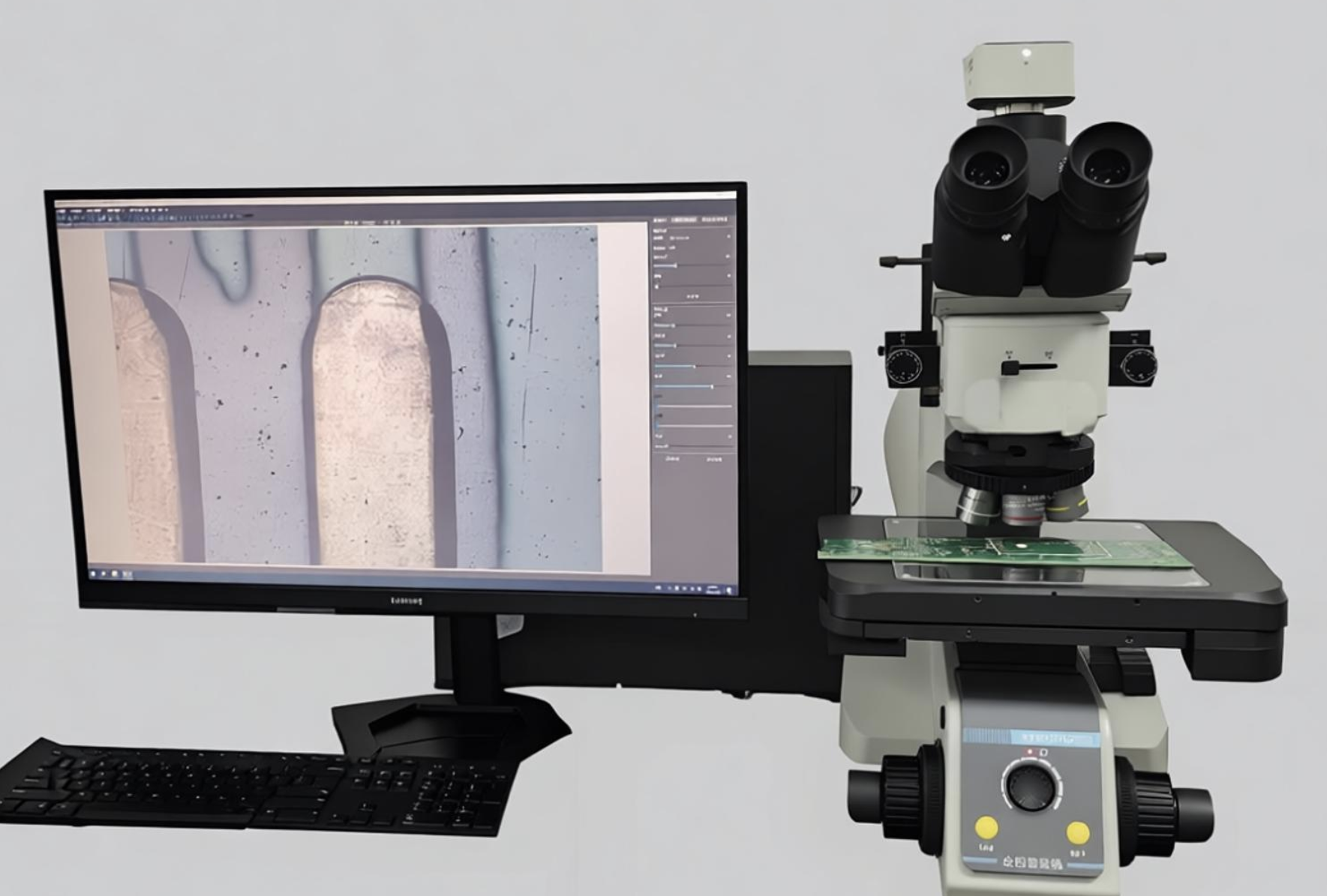


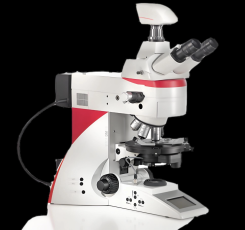
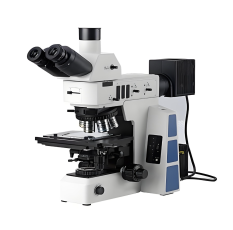
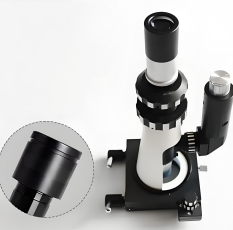
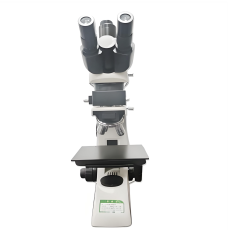

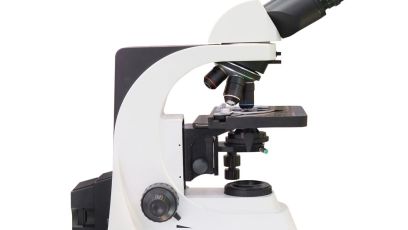
This high-end model is equipped with fully apochromatic objectives and a 24MP scientific-grade CMOS imaging sensor, which can achieve an ultra-high magnification of 5000x and present exceptionally clear microscopic tissue structure. It supports multiple observation modes including bright field, dark field, polarized light and differential interference contrast (DIC), which can adapt to different types of sample analysis needs, such as non-metallic inclusion detection, metal phase transformation analysis and crystal orientation observation. The motorized precision stage supports a large stroke of 300mm*250mm, matched with automatic focusing and remote control system, which can realize unattended batch testing and remote scientific research operations. The optional environmental control cabin can realize sample observation under special environments such as high temperature, low temperature and vacuum, meeting the material R&D needs under extreme working conditions. The equipment is equipped with a complete set of professional metallographic analysis software suites, supporting advanced functions such as 3D grain reconstruction, defect quantitative analysis and image stitching, providing comprehensive material analysis tools for researchers, addressing the pain point that conventional microscopes cannot meet the high-precision observation and complex analysis needs of high-end material R&D.
This high-end scanning metallurgical microscope has a magnification range of 100x to 5000x, equipped with 6 fully apochromatic objectives including 5x, 10x, 20x, 50x, 100x oil immersion objective and 50x long working distance objective, matched with 10x/16x wide-field eyepieces, with a field of view diameter of up to 12mm. The imaging system adopts a 24MP scientific-grade CMOS sensor with an imaging resolution of 60004000, supporting high dynamic range imaging to clearly capture the bright and dark details of the sample. The observation modes support four modes: bright field, dark field, polarized light and differential interference contrast (DIC), which can be switched with one click through software. The motorized precision mechanical stage has a travel of 300mm250mm, can carry a maximum weight of 10kg, with a positioning accuracy of 0.1μm, and supports programmed automatic scanning and image stitching. The overall size is 850mm (length) * 620mm (width) * 780mm (height), with a net weight of 28.5kg, and is equipped with a heavy-duty cast iron vibration isolation platform to help reduce external vibration interference. The device is equipped with a trinocular dual C-port imaging interface, supporting simultaneous connection of two scientific-grade cameras, and has a built-in complete set of professional metallographic analysis software suites, supporting advanced functions such as grain size measurement, inclusion rating, phase component quantitative analysis and 3D reconstruction. It supports a remote monitoring and control system, which can realize equipment operation and data sharing through local area network or the Internet. The optional environmental control cabin has a temperature control range from room temperature to 1500℃ and a vacuum degree of 10^-3 Pa. It adopts a 380V three-phase industrial power supply, with a power consumption of less than 200W, and is equipped with a voltage stabilization protection device to help ensure stable operation of the equipment.
This high-end scanning metallurgical microscope is mainly applicable to material R&D of aerospace departments, analyzing the microscopic grain structure and defects of high-temperature alloys and titanium alloys; microscopic structure analysis of electrode materials of new energy battery enterprises, verifying the porosity and bonding quality of positive and negative electrode materials of lithium batteries; wafer defect detection of semiconductor manufacturing industry, observing the metal wiring structure of chip packaging; basic material science research of national scientific research institutes, carrying out material performance tests under extreme working conditions; and core component failure analysis of high-end equipment manufacturing enterprises, such as microscopic structure detection of wind power gears and aero-engine blades.







 Post RFQ


 Chat
Chat


 ALL CATEGORIES