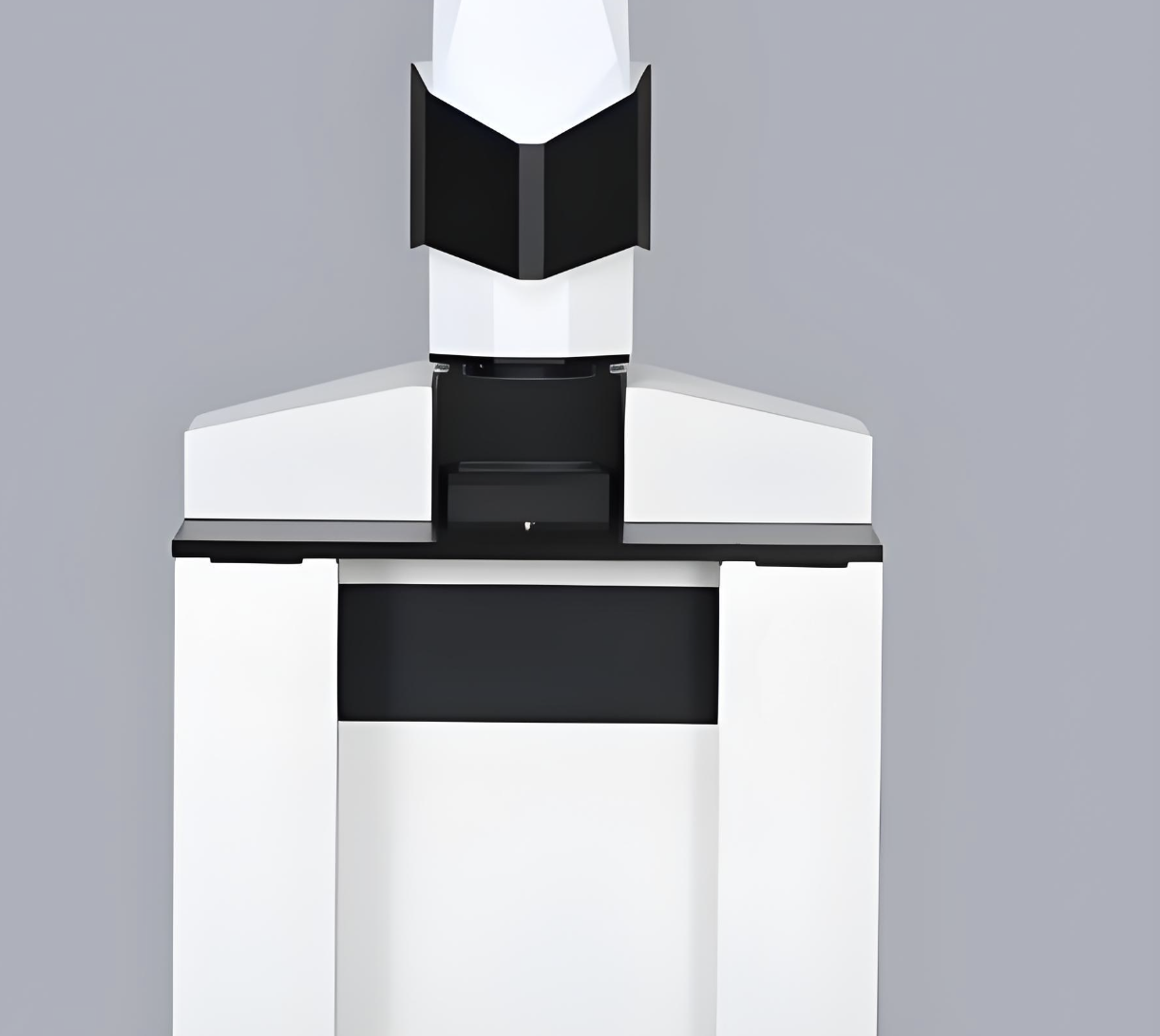
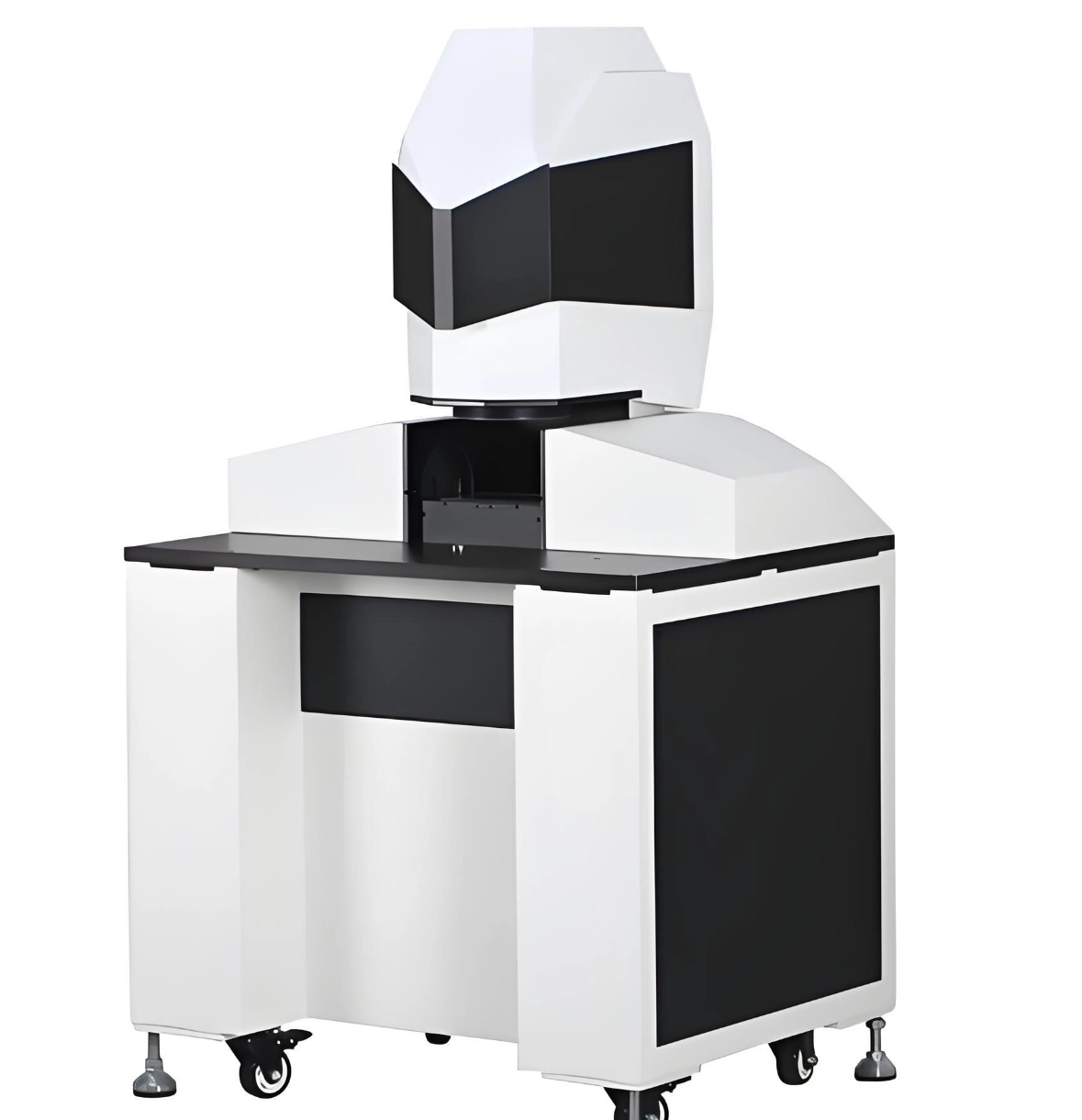





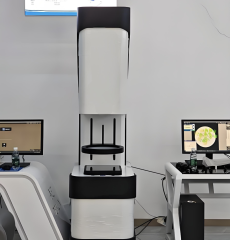
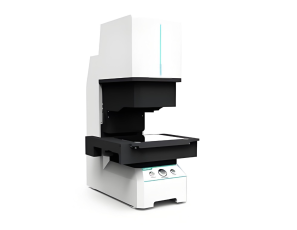
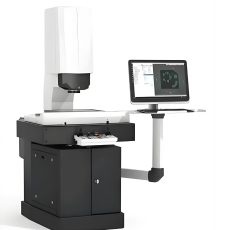
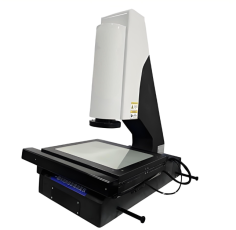

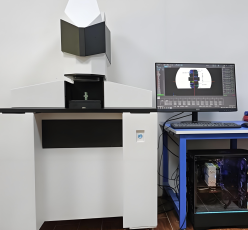
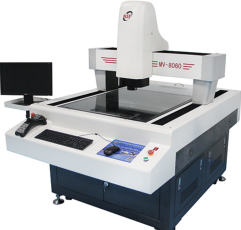
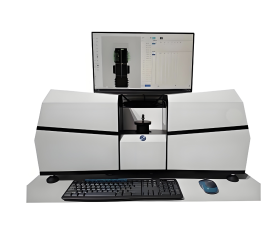
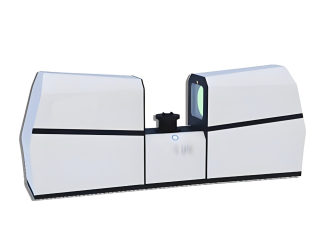
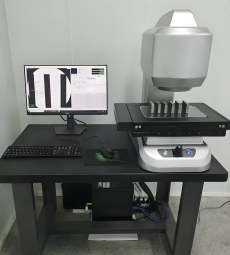
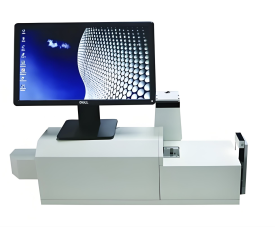
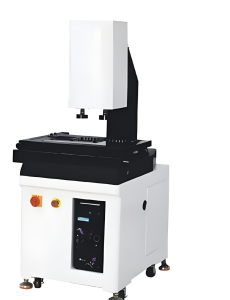
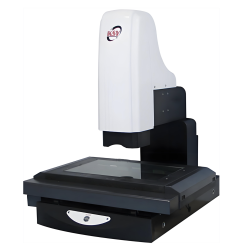
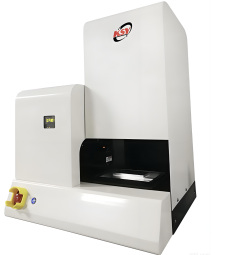
This product is equipped with an intelligent AI image recognition system, which can automatically identify various types of parts and detect their geometric dimensions and surface defects without manual setting. It supports optional fully automatic loading and unloading mechanism, which can realize fully automatic batch detection and docking with the production line, improving the detection efficiency by more than 90% compared with manual detection. The three-light source combination mode can meet the detection needs of different surface characteristics of parts, and the vertical and horizontal automatic switching function can meet the detection needs of different placement angles of parts. It supports docking with enterprise MES systems, and can upload detection data to the cloud in real time for real-time quality control of the production line.
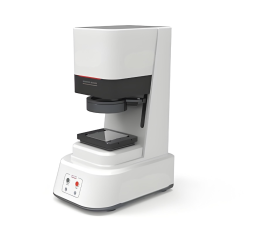
The main technical parameters are as follows: measurement range is 400mm(X) × 300mm(Y) × 200mm(Z), repeat positioning accuracy is ±0.8μm, vertical and horizontal switching angle is 0°~90° with fully automatic switching function. The light source is composed of coaxial annular light, bottom diffused light and backlight, which can meet the detection needs of different surface characteristics of parts. The operating system adopts a 12-inch industrial touch screen, which supports AI automatic setting and one-key batch detection. The data interface is Gigabit Ethernet and USB3.0, which can quickly export detection reports and dock with enterprise MES systems. The body is made of aluminum alloy profile, with good stability and heat dissipation performance, the net weight is 110kg, and the protection level is IP50, which can meet the conventional dust-proof and splash-proof requirements. The power supply is AC100-240V 50/60Hz, which is compatible with the conventional power supply system of the factory.
This product is mainly suitable for 3C electronics manufacturing, precision hardware mass production, auto parts batch testing and other mass production industries. Typical application scenarios include testing the size of mobile phone shells, the size of computer accessories, the plug-in distance of electronic connectors, and the surface defects of mass-produced parts. It can be docked with the production line to realize fully automatic quality control of the production process, helping enterprises to improve production efficiency and product pass rate.







 Post RFQ


 Chat
Chat


 ALL CATEGORIES