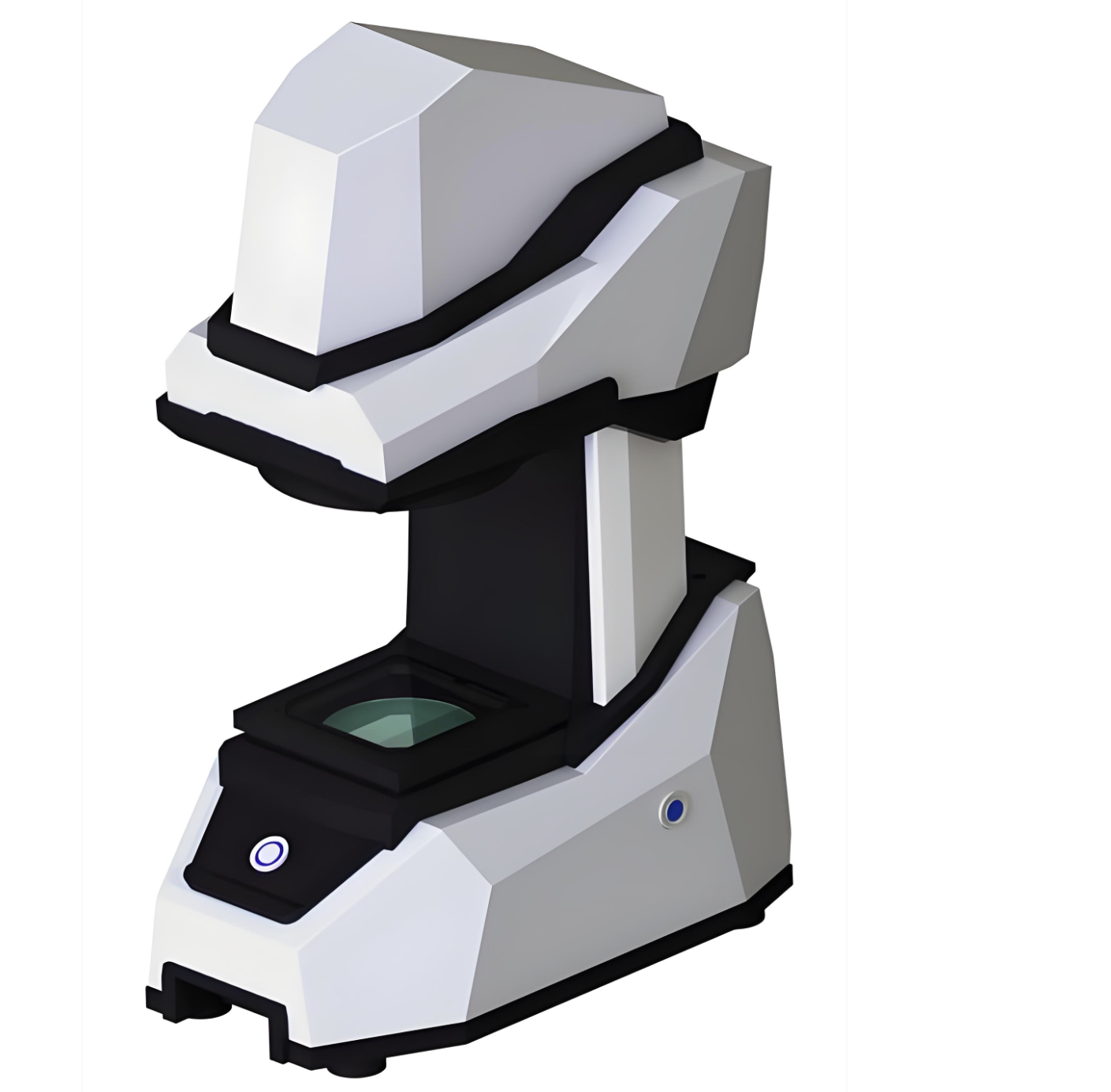
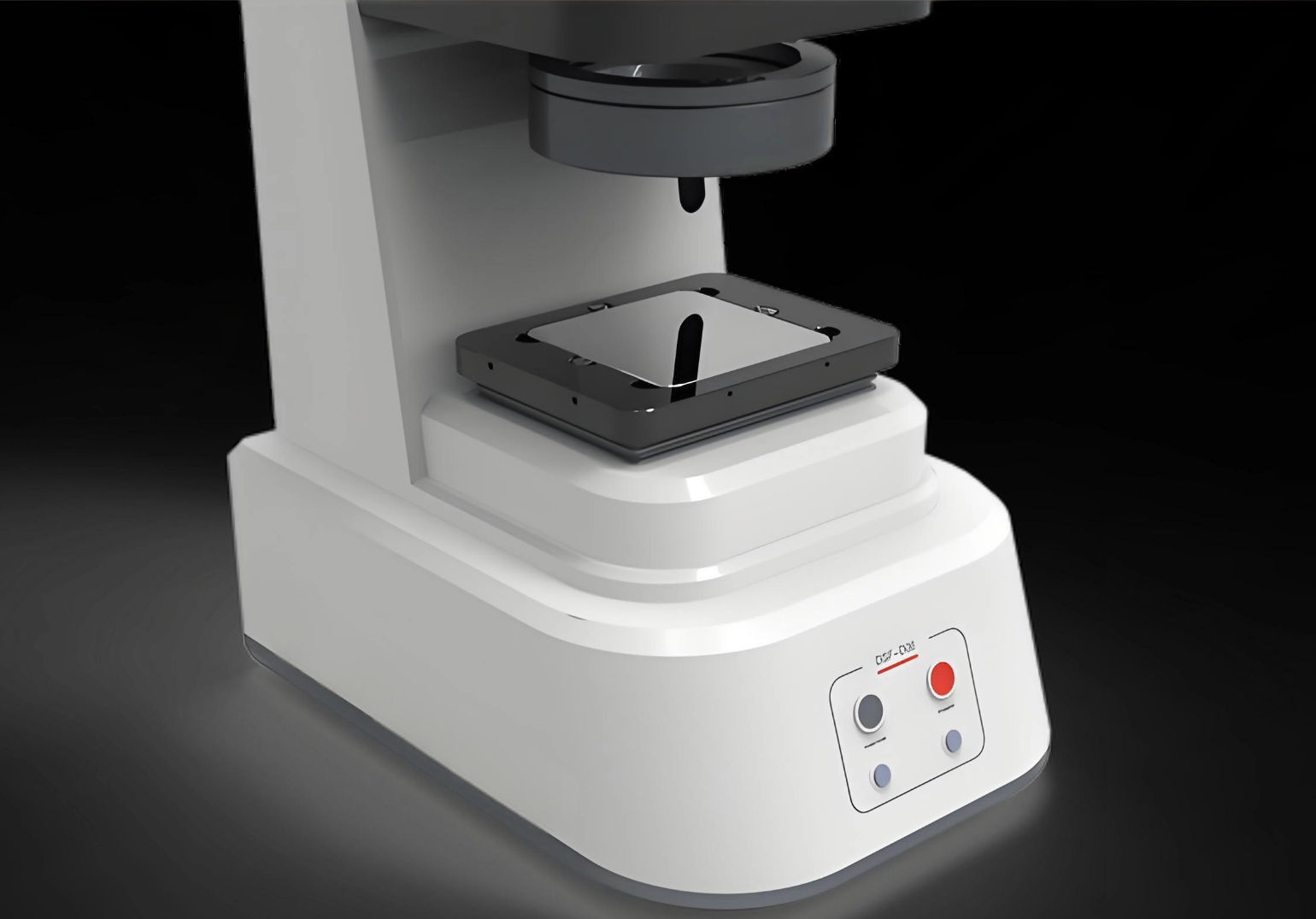





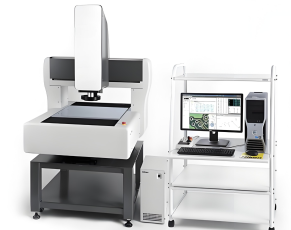
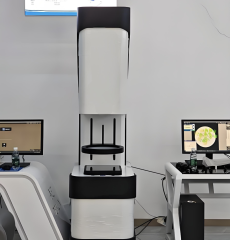
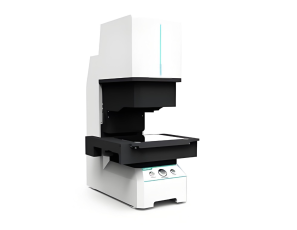
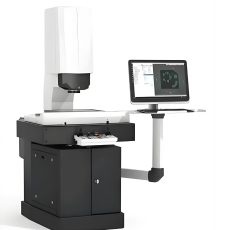
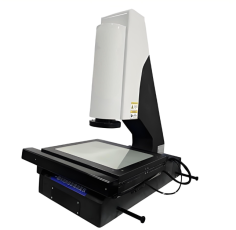

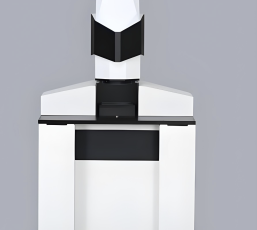
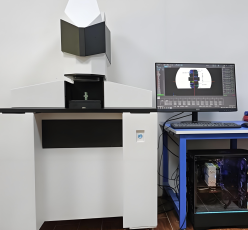
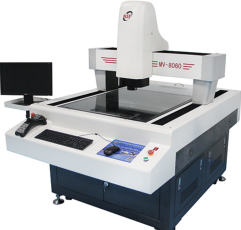
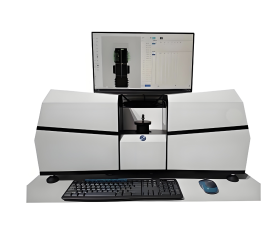
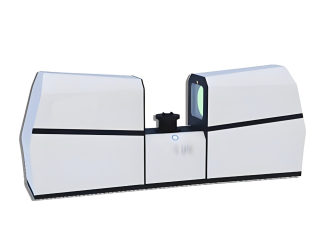
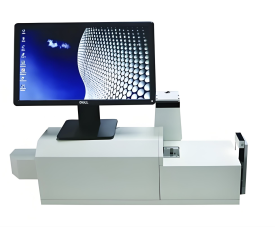
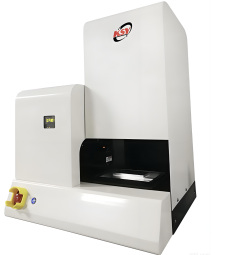
The core advantage of FMG542 lies in its ultra-high measurement accuracy and professional industrial applicability. It uses 48MP ultra-high-definition four industrial lenses, and the built-in professional stitching algorithm can realize seamless splicing of four shooting areas, with a stitching error of less than 0.003mm, and the overall measurement accuracy reaches ±0.008mm. The high-density cast iron body ensures excellent thermal stability, which can avoid measurement errors caused by temperature changes in the factory environment. The IP55 protection level can resist water splashes and dust, and is suitable for harsh industrial workshop environments. The 128GB large-capacity storage can store all measurement data of 500,000 workpieces, and the matching software supports Profinet industrial bus interface to realize interconnection with factory production control systems.
The instrument is equipped with four 48MP ultra-high-definition industrial lenses, with a stitching measurement range of 800*800*250mm and a measurement accuracy of ±0.008mm. The built-in constant temperature control system can stabilize the internal temperature of the instrument at 20±1℃, avoiding measurement errors caused by ambient temperature changes. The interface supports USB 3.0, Ethernet, RS232 and Profinet, which can be connected to the factory industrial control network to realize real-time data transmission and production line linkage. The power supply adopts AC 200-240V industrial power supply, which supports long-time continuous operation. The overall dimension is 1200*1100*500mm, with a net weight of 32.6kg, and it is equipped with a professional shock absorption base to reduce the impact of ground vibration on measurement accuracy. The matching FMG High Precision Measure V3.0 software supports three-dimensional modeling of workpieces and comprehensive dimension analysis.
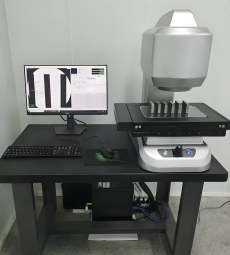
This instrument is mainly suitable for high-precision testing industries such as aerospace parts processing, mold manufacturing, precision electronic component production, and medical equipment parts processing. Typical application scenarios include size detection of aeroengine turbine blades, position degree detection of mold core mounting holes, flatness detection of precision semiconductor processing platforms, and aperture detection of medical implant parts. It can meet the ultra-high-precision quality control requirements of high-end manufacturing, and help enterprises improve product pass rate and production efficiency.







 Post RFQ


 Chat
Chat


 ALL CATEGORIES