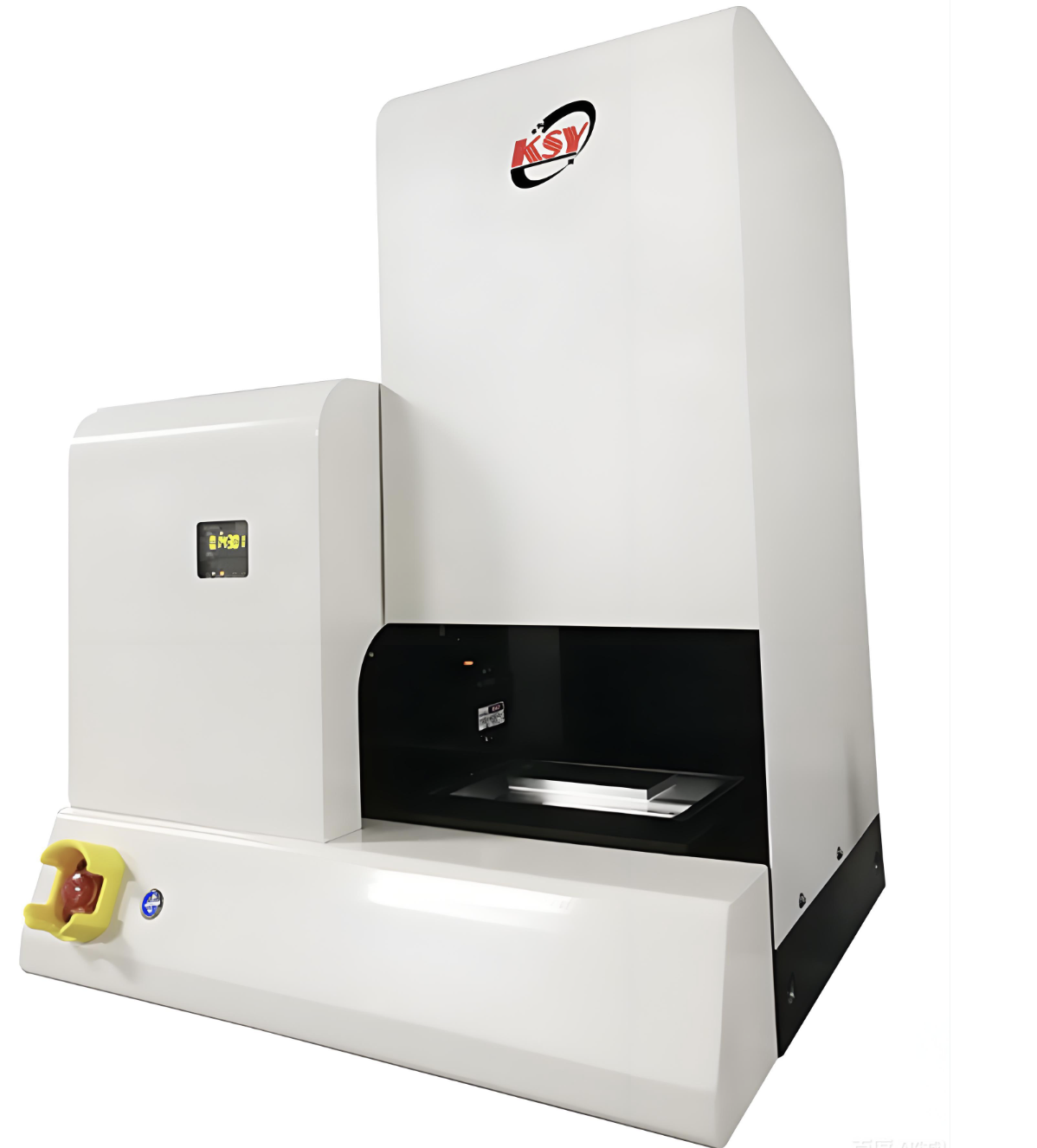
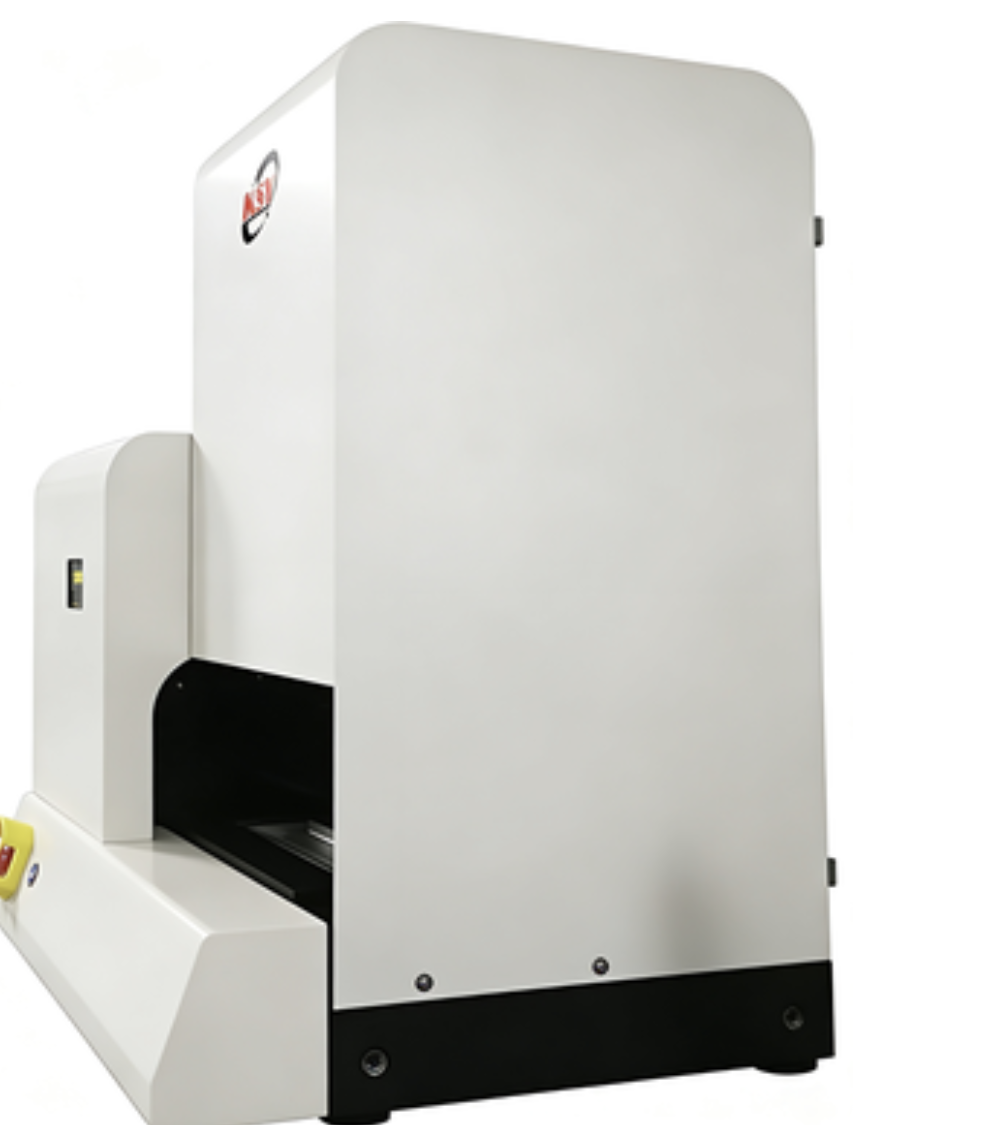





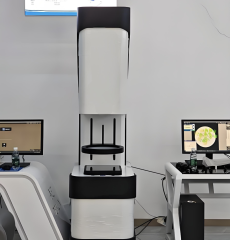
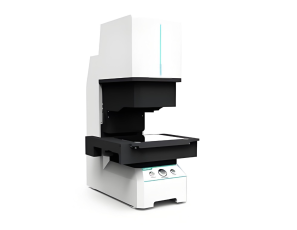
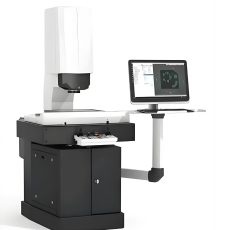
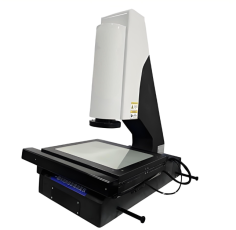

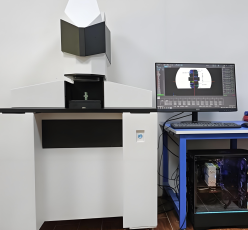
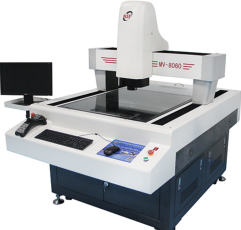
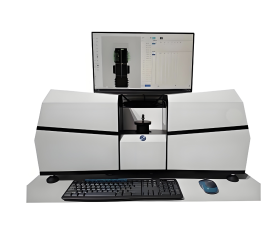
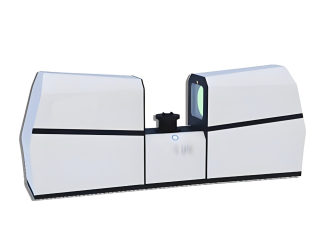
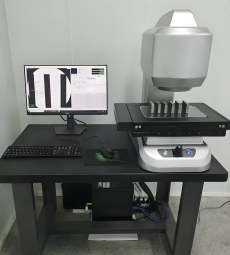
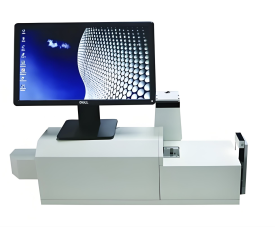
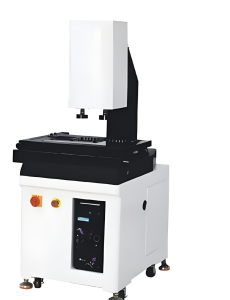
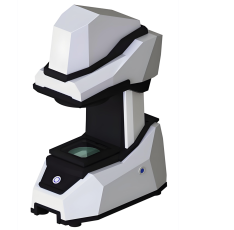
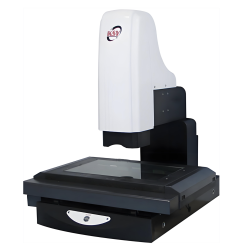
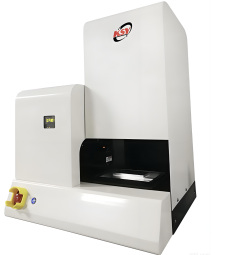
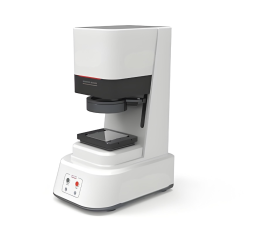
The core advantage of FMD215 lies in its simple operation and compact structure, which requires no professional calibration personnel to operate. It uses 12MP high-definition single lens to collect images, and built-in intelligent image stitching and dimension recognition algorithm to automatically identify and calculate multiple sizes such as length, width, aperture and position degree at one time. Compared with traditional manual caliper measurement, it can reduce measurement error rate by 90% and shorten single detection time from 10 minutes to 30 seconds. The aluminum alloy body ensures stable structure and long service life, and the IP40 protection level can effectively prevent dust from entering the interior to avoid instrument failure caused by working environment pollution.
The instrument adopts a fixed single-lens optical path system with a measurement accuracy of ±0.02mm within the 100*100*50mm measuring range. The built-in 32GB high-speed storage can save up to 100,000 sets of measurement data. The interface supports USB 3.0 and RS232 for connecting to external computers or printers, and the power supply can be switched between AC 100-240V household power and DC 5V mobile power supply. The overall dimension is 350*280*180mm, with a net weight of 2.8kg, which is convenient for moving between different workbenches. The matching FMD Measure V1.0 software supports data export in Excel and PDF formats, and can generate complete detection reports for production management.
This instrument is mainly suitable for small and medium-sized hardware processing factories, plastic product testing laboratories, electronic component manufacturing workshops and other scenarios. Typical application scenarios include rapid detection of screw hole positions of mobile phone middle frames, size detection of plastic connecting parts, aperture measurement of bearing inner rings, etc. It can replace traditional manual caliper, projector and other detection tools, realize automated batch detection, and meet the rapid quality control requirements of small-batch multi-variety production lines.







 Post RFQ


 Chat
Chat


 ALL CATEGORIES