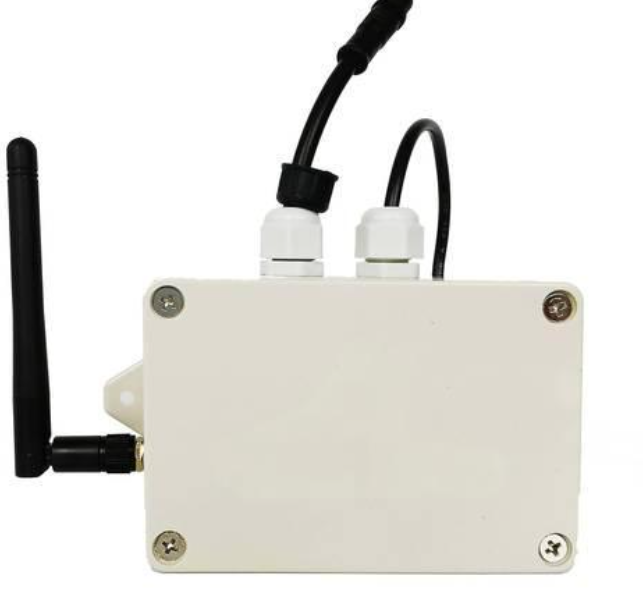
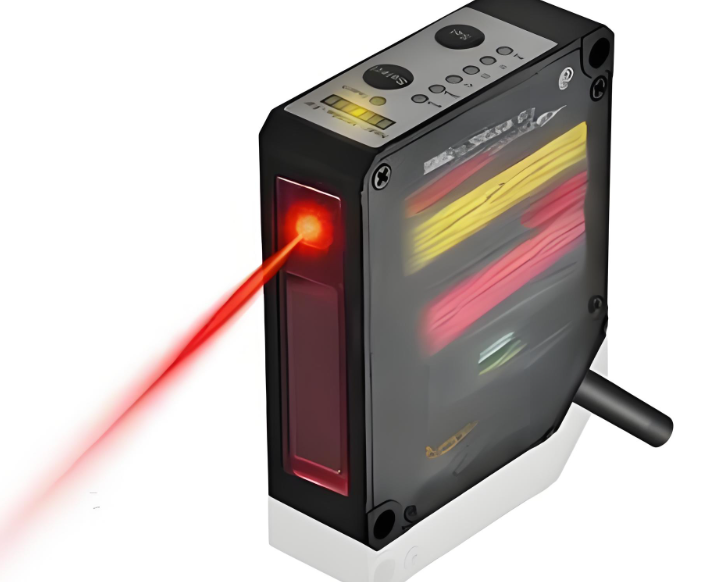


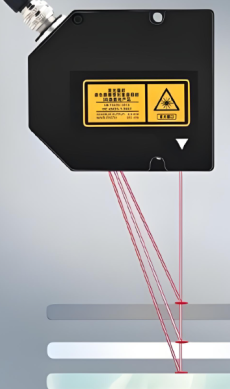
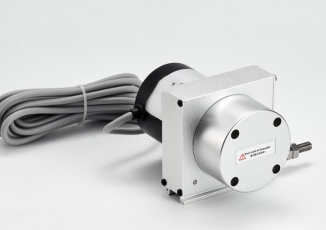
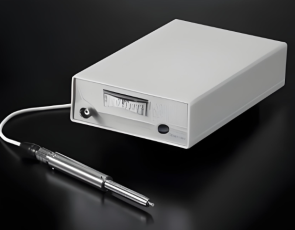
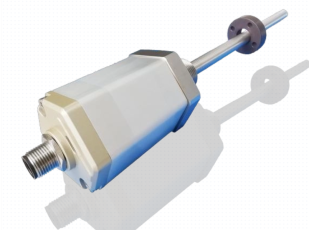
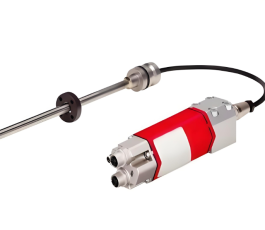
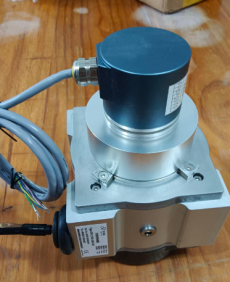

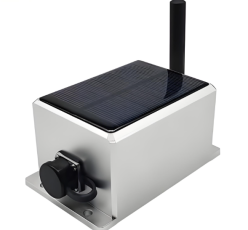
This IoT wireless displacement monitoring sensor has multiple core advantages: first, it adopts wireless communication technology such as LoRaWAN and NB-IoT, which can realize long-distance data transmission up to 5km, avoiding the trouble of wiring and improving the convenience of installation. Second, it has low power consumption design, and the built-in 10000mAh battery can last for 2 years under the condition of 1 data report per minute, and solar power supply is optional for long-term use. Third, it supports cloud data storage and remote monitoring, and can send alarm information when the displacement exceeds the threshold, which can effectively avoid safety accidents. In addition, it has a high protection grade of IP67, which can work stably in outdoor harsh environments.
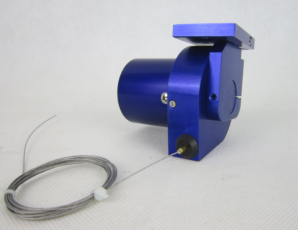
The detailed specifications of this IoT wireless displacement monitoring sensor are as follows: the measurement range is 0-5000mm, the measurement resolution is 0.01mm, the measurement accuracy is ±0.05%FS, the communication modes include LoRaWAN and NB-IoT, the built-in battery is 3.7V 10000mAh, the battery life is 2 years under 1 report per minute, the solar power supply is optional, the data transmission protocol is MQTT, the shell is made of PC + ABS engineering plastic, the size is 120*80*40mm, the weight is 250g, the working temperature range is -20℃~70℃, the protection grade is IP67, and the installation methods include magnetic installation and adhesive installation.
This IoT wireless displacement monitoring sensor is widely used in multiple remote monitoring scenarios: first, it is used for slope displacement monitoring in geological disaster prevention, which can detect the deformation of the slope in real time and give an early warning of geological disasters. Second, it is applied to the displacement monitoring of ancient buildings and cultural relics structures, which can protect the safety of cultural relics. Third, it is used for displacement monitoring of outdoor billboards and street lamp facilities, which can detect potential safety hazards in real time. In addition, it can also be used for displacement monitoring of smart park equipment and farmland irrigation facilities.








 Post RFQ


 Chat
Chat


 ALL CATEGORIES