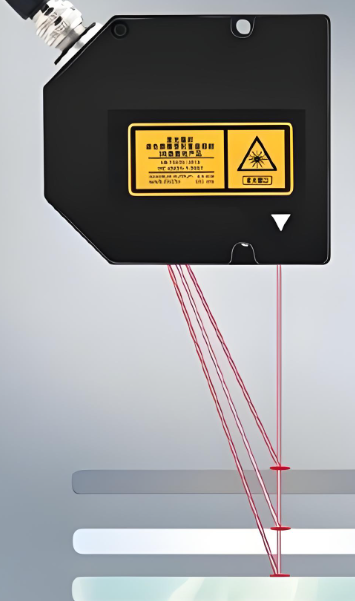
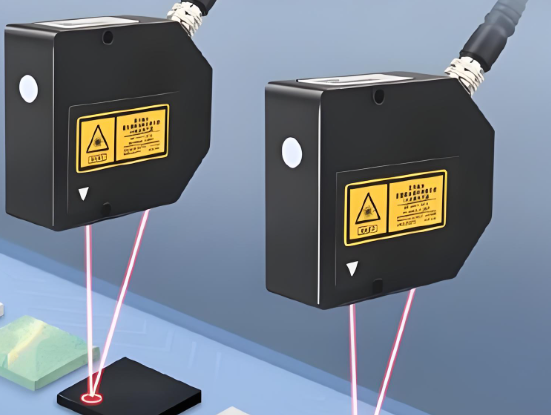


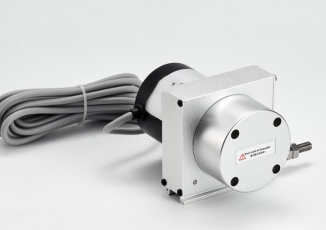
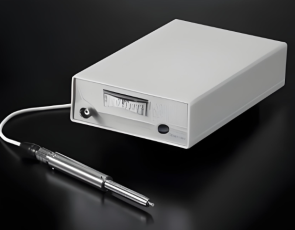
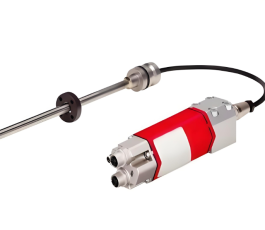
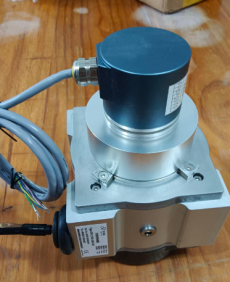
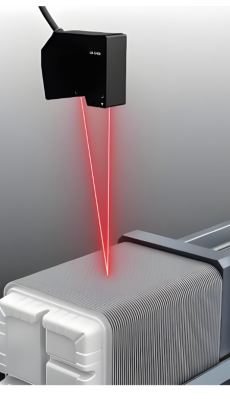

This product has multiple core advantages compared with traditional contact displacement sensors. First, it adopts non-contact laser measurement technology, which will not cause wear to the measured surface, so it has a long service life and low maintenance frequency. Second, it has high measurement accuracy up to ±0.05% FS, which can meet the detection requirements of most industrial precision measurements. Third, it has a variety of output interfaces, which can be compatible with most industrial control systems. Fourth, it has good anti-interference performance, which can maintain stable measurement in complex industrial electromagnetic environments. It solves the pain points of traditional contact sensors such as easy wear, low service life and poor anti-interference ability, and provides a more reliable non-destructive testing solution for industrial production.
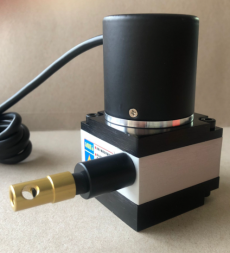
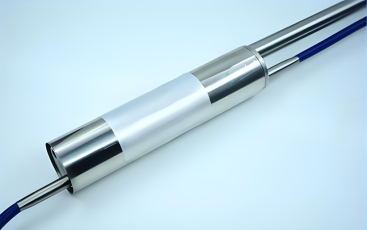
The specific technical parameters of this laser displacement meter are as follows: Measurement range: 0.1mm to 10m; Measurement accuracy: ±0.05% of full scale; Resolution: 0.001mm; Output interface: RS485, 4-20mA analog output; Probe diameter: 20mm; Housing material: Anodized aluminum alloy; Power supply: 24V DC ±10%; Protection rating: IP65, suitable for indoor and partial outdoor industrial environments; Operating temperature: -10℃ to 60℃; Relative humidity: 30% to 80% RH without condensation; Frequency response: 1kHz; Certification: CE, FCC certification, compliant with EU and US industrial measurement standards; Overall size: 150mm * 80mm * 60mm.
This laser displacement meter is suitable for multiple industrial scenarios. In the 3C electronic manufacturing industry, it can be used for the precision detection of mobile phone shell flatness, battery size measurement and component assembly positioning; in the automobile manufacturing industry, it can be used for the precision calibration of engine parts and the detection of body deformation; in the field of civil engineering, it can be used for real-time monitoring of bridge deformation, building settlement and dam structural health; in the field of logistics and warehousing, it can be used for the height detection of shelf cargo and the positioning of automated forklifts. It can provide accurate and real-time displacement data for various industrial scenarios to help enterprises improve production quality and operational safety.







 Post RFQ


 Chat
Chat


 ALL CATEGORIES