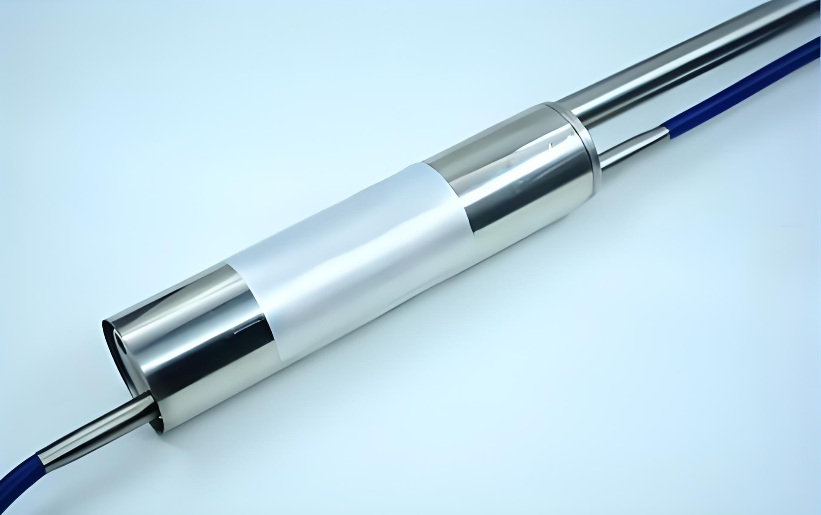
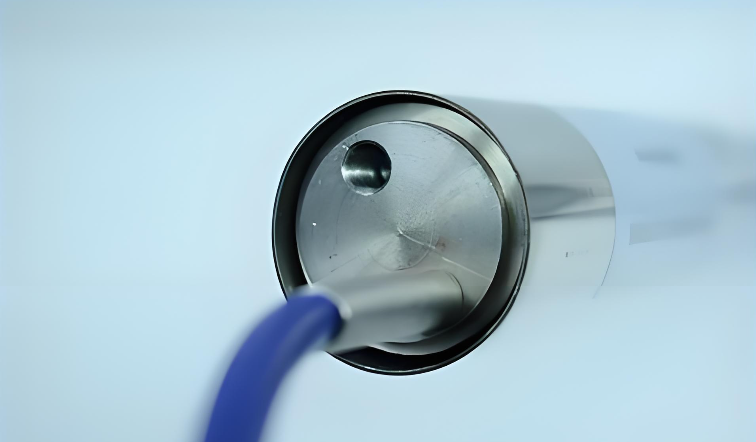


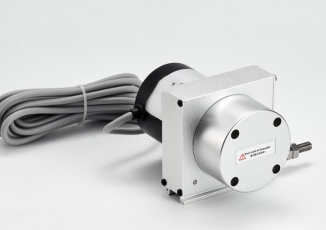
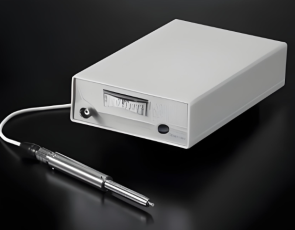
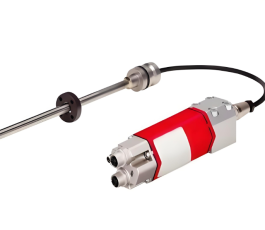
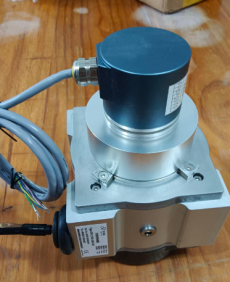
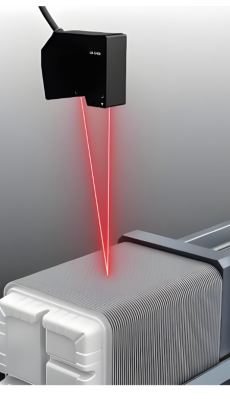

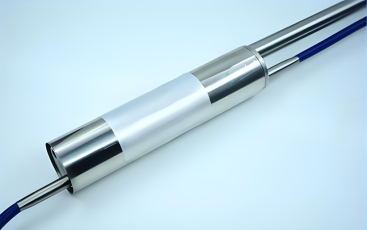
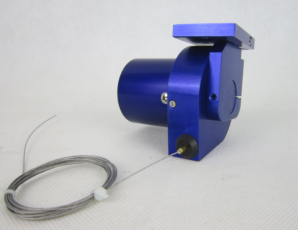
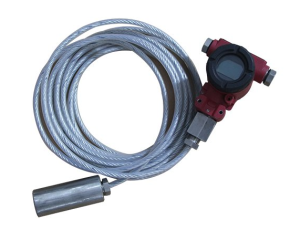
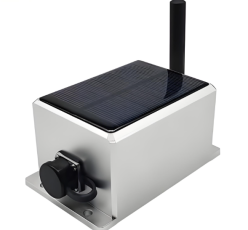
This fiber optic displacement meter adopts 304 stainless steel shell, with IP67 protection grade, which can adapt to the complex outdoor environment of bridges for a long time. Using single-mode optical fiber sensing technology, it has strong anti-electromagnetic interference ability, and can work stably in strong electromagnetic environments such as substations and bridge electromagnetic signal areas. The demodulation accuracy reaches 0.1μm, and the measurement accuracy is ±0.005mm, which can meet the high-precision monitoring requirements of bridge structural health. It supports embedded and surface mounting methods, which can be flexibly installed according to different bridge structure conditions. It has a service life of more than 10 years and a calibration period of 2 years, which greatly reduces later maintenance costs. It can be connected to a professional fiber optic demodulator to realize real-time data collection and remote transmission, meeting the needs of long-term bridge health monitoring.
The measuring range is 0~200mm, the measurement accuracy is ±0.005mm, and the demodulation accuracy is 0.1μm. It uses single-mode optical fiber with a length of 5~20m (customizable). The protection grade is IP67, which can resist water immersion and dust intrusion in harsh outdoor environments. The operating temperature range is -40℃~80℃, and it can adapt to large temperature differences in different seasons. The shell is made of 304 stainless steel, with strong corrosion resistance and mechanical strength. The data interface adopts FC/APC optical interface, which has low insertion loss and good signal stability. The size of the sensor probe is 80mm×50mm×30mm, and the overall weight is about 500g. It supports long-distance signal transmission up to 10km when connected to a fiber optic demodulator.
It is mainly suitable for long-term health monitoring of highway bridges, railway bridges, pedestrian bridges and other bridge structures, as well as deformation monitoring of large hydraulic structures, building settlement monitoring and other scenarios. It can be used by bridge management departments, transportation bureaus, hydraulic engineering units and other institutions to carry out regular safety assessment and early warning of bridge structures, ensuring the safe operation of traffic and hydraulic facilities.








 Post RFQ


 Chat
Chat


 ALL CATEGORIES