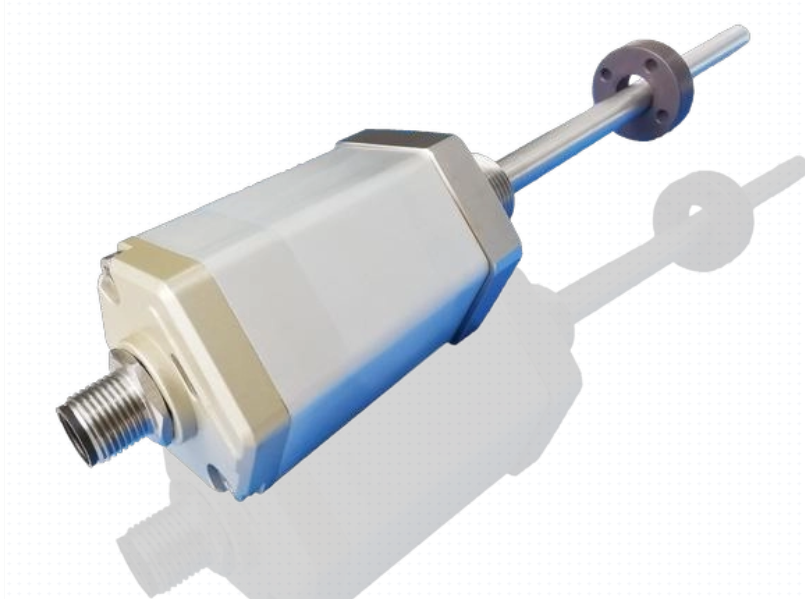
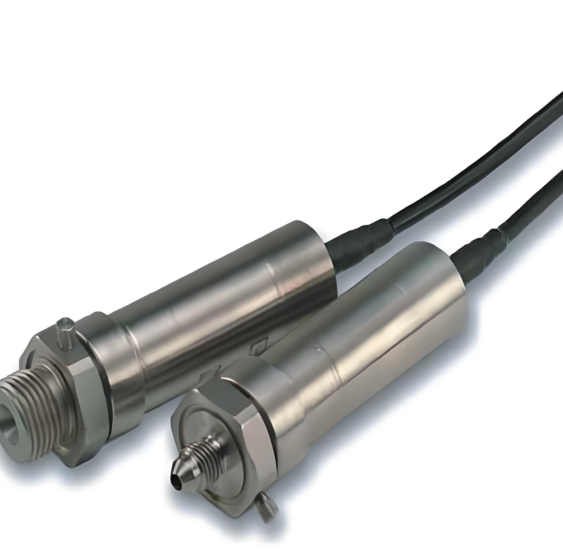


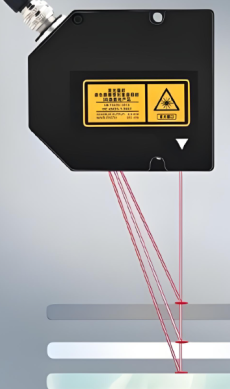
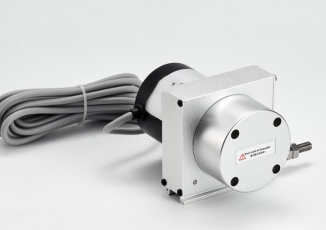
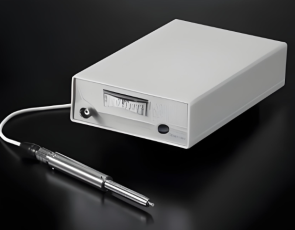
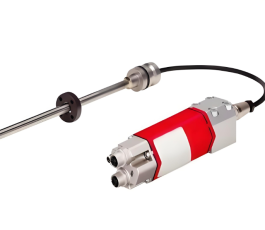
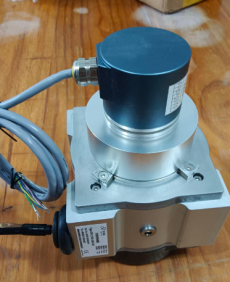
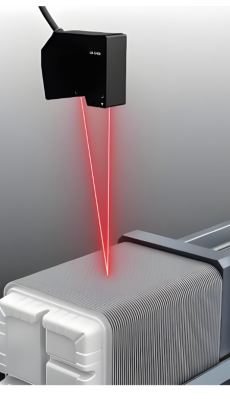

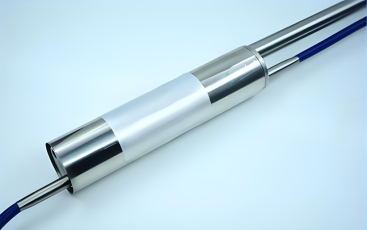
Compared with traditional displacement sensors, this piezoelectric displacement sensor has three core advantages. First, it has a maximum response frequency of 10kHz, which can meet the detection requirements of high-frequency vibration and dynamic displacement. Second, it adopts piezoelectric ceramic stack structure, which has no hysteresis and good linearity, and can achieve accurate micro-displacement control. Third, it has ultra-high positioning accuracy up to ±0.005μm, which can meet the ultra-high precision positioning requirements of high-end equipment. It solves the pain points of traditional displacement sensors such as slow response, poor linearity and low positioning accuracy, and provides a reliable solution for high-frequency micro-displacement detection and positioning.
The specific technical parameters of this piezoelectric high-frequency displacement sensor are as follows: Displacement range: 0 to 100μm; Measurement accuracy: ±0.005μm; Linearity: ≤±0.5% FS; Response frequency: Up to 10kHz; Bandwidth: 15kHz; Output signal: Charge signal or voltage signal; Core material: Piezoelectric ceramic stack; Housing material: 304 stainless steel for good corrosion resistance; Power supply: 10V DC to 150V DC; Operating temperature: -20℃ to 60℃; Relative humidity: 20% to 80% RH without condensation; Protection rating: IP63, suitable for general industrial environments; Overall size: 80mm * 40mm * 25mm.
This piezoelectric high-frequency displacement sensor is suitable for multiple high-end precision industrial scenarios. In the semiconductor lithography industry, it can be used for precision positioning of the lens and the stage to ensure the accuracy of chip manufacturing; in the acoustic testing industry, it can be used for vibration detection of acoustic components and performance testing of audio equipment; in the MEMS industry, it can be used for performance testing of micro-electromechanical systems and precision control of micro-components; in the precision manufacturing industry, it can be used for dynamic displacement detection of high-speed machine tools and tool wear monitoring. It can provide high-frequency and ultra-high precision displacement data for high-end equipment to help enterprises improve the accuracy and efficiency of product production.








 Post RFQ


 Chat
Chat


 ALL CATEGORIES