Basic Info
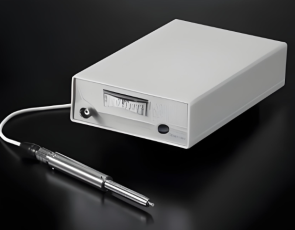
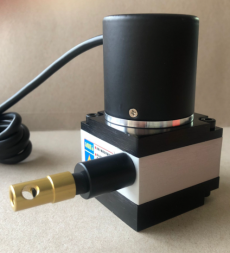
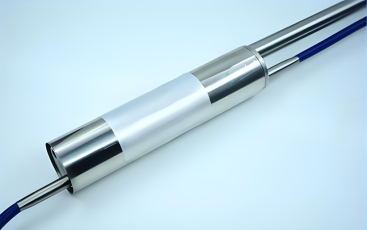
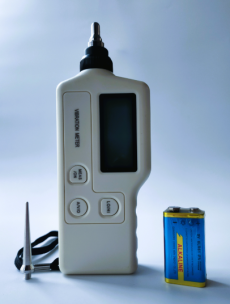
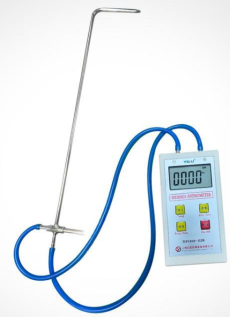
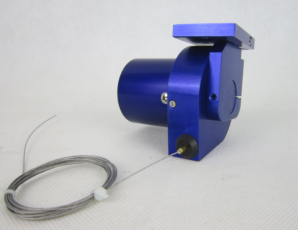
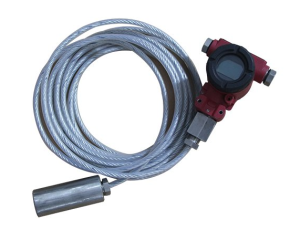
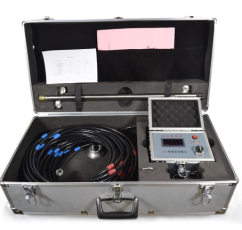
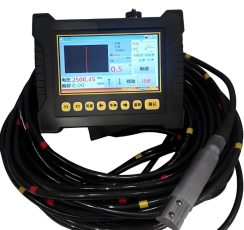
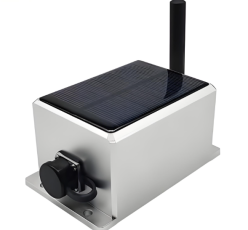
This piezoelectric micro displacement meter is a high-precision detection device designed for ultra-high precision displacement measurement in precision manufacturing, semiconductor equipment calibration and scientific research scenarios. It uses piezoelectric ceramic as the sensing core, which can capture micro-displacement changes as small as 0.01μm, meeting the strict measurement requirements of high-end production and research. Compared with traditional contact displacement meters, it has no mechanical wear, realizing non-destructive testing of measured objects. It supports real-time data transmission via USB or RS485 interface, and can connect to computers or industrial control platforms for data analysis and storage. Its compact size makes it suitable for narrow-space precision measurement scenarios, providing accurate displacement data support for high-end manufacturing and scientific research work.
Customer reviews

Sarah · Research Scientist
As a materials researcher, I'm thoroughly impressed with the Piezoelectric Micro Displacement Meter's performance in our lab. Its portable wireless design eliminates cable interference during vibration tests, and the 0.1μm resolution provides crucial data for our nano-material deformation studies. The real-time Bluetooth data transmission to our analysis software has streamlined our workflow significantly. After six months of intensive use, it maintains calibration within ±0.5% - exceptional for field instruments.
Product Description
Product features:
The core advantage of this piezoelectric displacement meter is its ultra-high resolution, which can detect micro-displacement changes that traditional contact meters cannot capture. It adopts a non-contact piezoelectric sensing design, which will not scratch or wear the surface of soft, fragile or precision measured objects, ensuring the integrity of the measured piece during testing. The built-in high-speed data acquisition chip supports a sampling frequency of up to 10kHz, enabling real-time monitoring of dynamic displacement changes. It supports two quick installation methods, which can be deployed in narrow spaces within 5 minutes. The supporting data analysis software can automatically generate standardized measurement reports, helping users quickly sort and analyze test data, reducing the workload of post-data processing..
Product specifications:
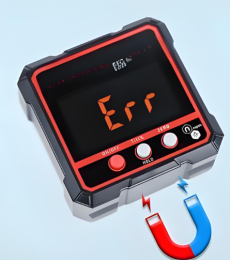
Measuring range: 0-50mm; Resolution: 0.01μm; Accuracy: ±0.05% F.S.; Output signal: USB 2.0 / RS485 Modbus; Protection grade: IP54; Operating temperature: 10℃~60℃; Power supply: 5V DC via USB; Probe material: PZT piezoelectric ceramic; Overall dimensions: 120mm (length) × 60mm (width) × 40mm (height); Installation method: Magnetic suction / adhesive mounting; Response frequency: 0-10kHz.
Product application:
It is mainly used in precision machine tool positioning detection, semiconductor wafer alignment measurement, micro-electromechanical system (MEMS) performance testing, optical equipment axis calibration and university scientific research micro-displacement experimental research. In the precision manufacturing industry, it can detect tool tip wear and precision part deformation; in the semiconductor field, it helps achieve precise alignment of chip packaging equipment; it can also be used in medical device testing to detect micro-displacement changes of surgical instruments during operation, providing data support for medical equipment performance verification.
Frequently Asked Questions (FAQ)
Q:How does a piezoelectric micro displacement meter achieve nanometer-level precision?
A:Piezoelectric micro displacement meters use quartz/servo sensors with 0.1nm resolution, featuring zero friction measurement and 10kHz high-frequency response. Their closed-loop control system ensures stability for semiconductor/laser alignment applications.










 Post RFQ


 Chat
Chat


 ALL CATEGORIES