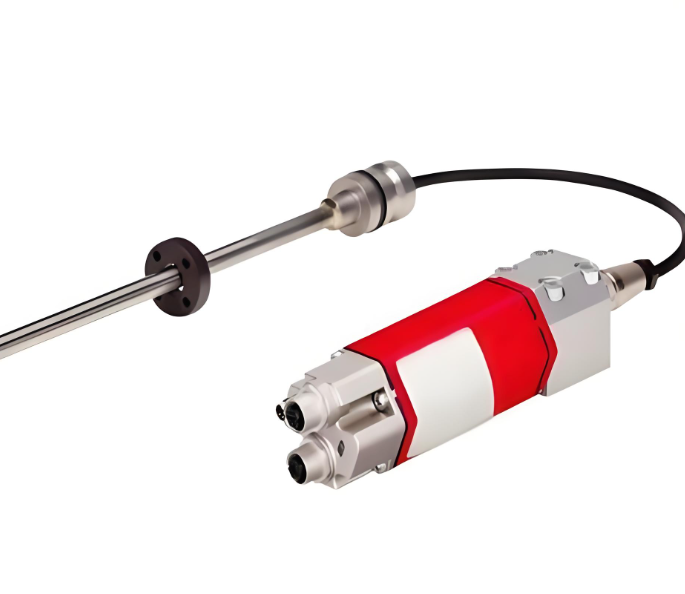
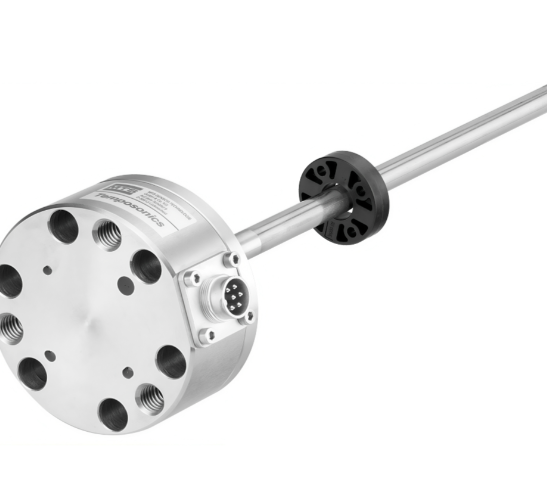


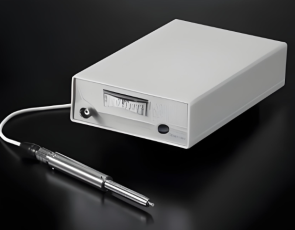
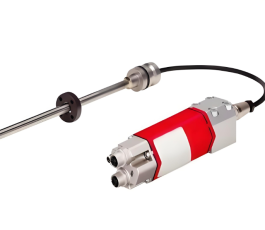
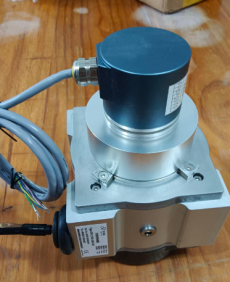
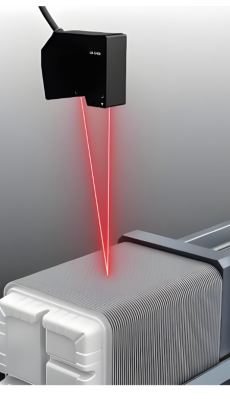

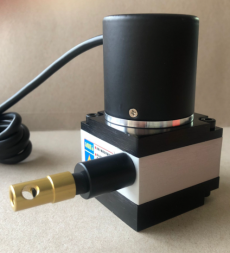
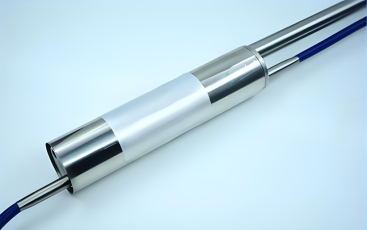
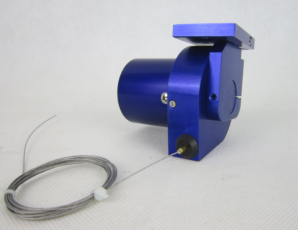
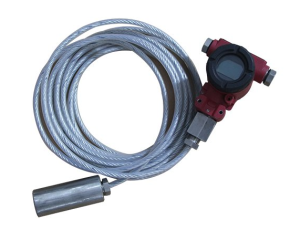
Compared with traditional long-stroke displacement sensors, this magnetostrictive transducer has multiple core advantages. First, it adopts non-contact magnetostrictive sensing technology, which will not cause wear to the probe, so it has a long service life and low maintenance frequency. Second, it supports a maximum measurement range of 20m, which can meet the long-stroke displacement measurement requirements of large-scale equipment. Third, it has good environmental adaptability, with IP67 protection rating, which can maintain stable measurement in outdoor, humid and oily environments. Fourth, it supports a variety of output interfaces, which can be compatible with most industrial control systems. It solves the pain points of traditional long-stroke sensors such as easy wear, poor environmental adaptability and low measurement accuracy, and provides a reliable solution for long-stroke heavy-duty displacement monitoring.
The specific technical parameters of this magnetostrictive displacement transducer are as follows: Standard measurement range: 0.5m, 1m, 2m, 5m, 10m, 15m, 20m (customizable); Measurement accuracy: ±0.01% of full scale; Repeat positioning accuracy: ±0.005mm; Probe material: 316 stainless steel with high wear resistance and corrosion resistance; Housing material: Anodized aluminum alloy for good anti-corrosion performance; Power supply: 24V DC ±10%; Output interface: 4-20mA analog signal, Modbus RTU, Profibus DP; Protection rating: IP67, suitable for outdoor rain, dust and oily environments; Operating temperature: -20℃ to 70℃; Relative humidity: 10% to 90% RH without condensation; Installation mode: ISO standard flange installation; Overall length: Corresponding to the measurement range, up to 20m.
This magnetostrictive heavy-duty displacement transducer is suitable for multiple heavy-duty industrial scenarios. In the hydraulic engineering industry, it can be used for real-time position monitoring of hydraulic cylinders of engineering machinery; in the metallurgical industry, it can be used for position detection of blast furnace equipment and lifting platforms; in the water conservancy and hydropower industry, it can be used for gate lifting monitoring and dam deformation detection; in the port and shipping industry, it can be used for travel detection of bridge cranes and gantry cranes. It can provide accurate long-stroke displacement data for heavy-duty equipment to help enterprises realize automated monitoring and control of equipment operation, and improve the safety and efficiency of equipment operation.








 Post RFQ


 Chat
Chat


 ALL CATEGORIES