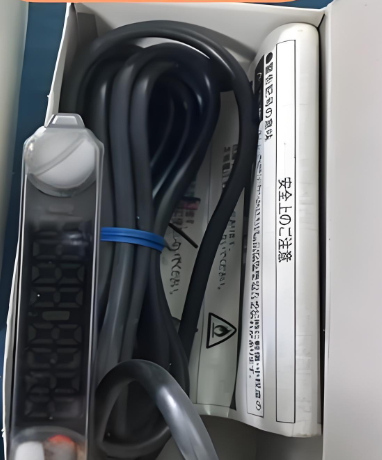
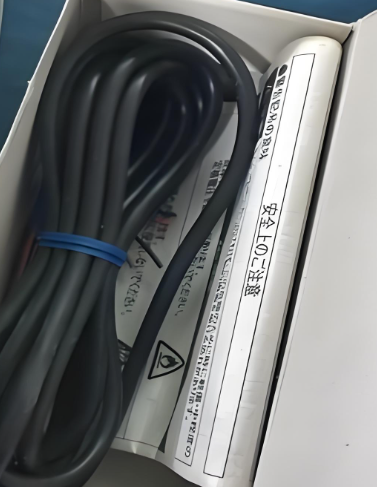


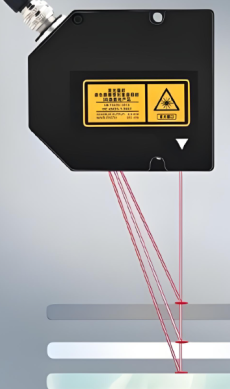
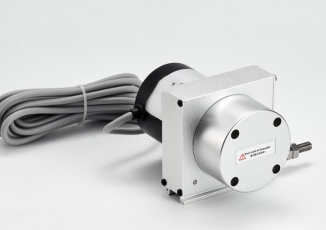
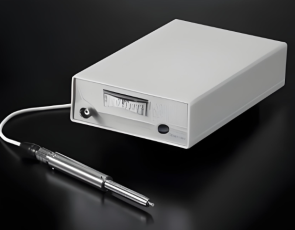
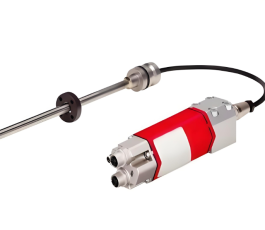
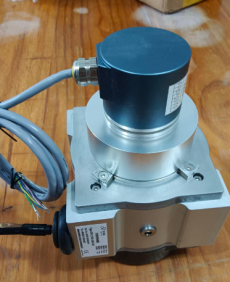
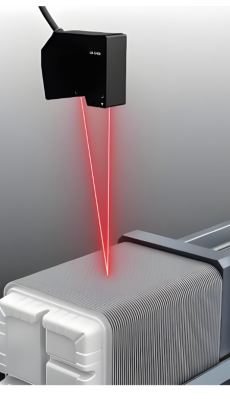

The core advantage of this fiber optic displacement sensor lies in its strong anti-electromagnetic interference capability. Since it uses fiber optic signal transmission, there is no electric signal in the measurement circuit, so it is completely immune to electromagnetic interference from industrial electrical equipment and high-voltage lines. It has explosion-proof performance, which can be used in flammable and explosive industrial scenarios such as chemical plants and oil fields. It has a wide operating temperature range, which can adapt to high-temperature and low-temperature environments. Compared with traditional electronic displacement sensors, it solves the pain point of signal interference and safety hazards in strong electromagnetic interference environments, providing reliable displacement monitoring for special industrial scenarios.
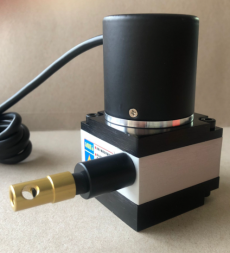
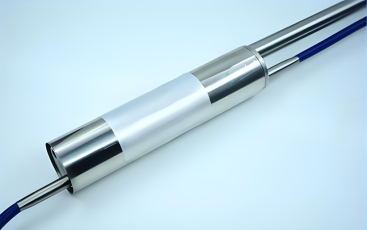
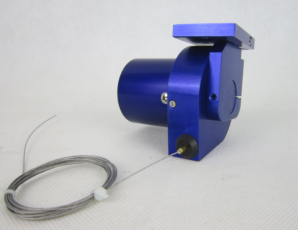
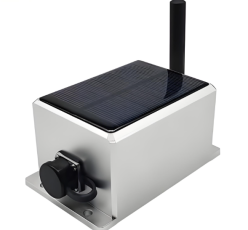
The fiber optic displacement sensor has a measuring range of 0-500mm, with an accuracy of ±0.1% full scale. It uses single-mode fiber for signal transmission, with a maximum transmission distance of 1000m. It has an IP65 protection rating, suitable for general outdoor industrial environments, and operates within a temperature range of -40℃ to +120℃. It is powered by 24V DC, and the interface adopts FC/PC fiber optic connector, which is convenient for long-distance signal transmission. It complies with IEC 61000-6-2 electromagnetic compatibility standard, with explosion-proof performance of Class I Div 2. The housing is made of stainless steel, with a size of 150*70*50mm and a weight of 1.1kg.
This product is widely used in power equipment displacement monitoring, metallurgical furnace body deformation detection, military testing in strong electromagnetic environments, oil field equipment displacement monitoring, and chemical explosion-proof area position detection. In power substations, it can monitor the displacement of power transmission towers and transformers to ensure the safe operation of power equipment. In metallurgical production, it can detect the deformation of blast furnace bodies to ensure the safety of production. It is also suitable for military testing and chemical industry production scenarios with strong electromagnetic interference and flammable and explosive risks.








 Post RFQ


 Chat
Chat


 ALL CATEGORIES