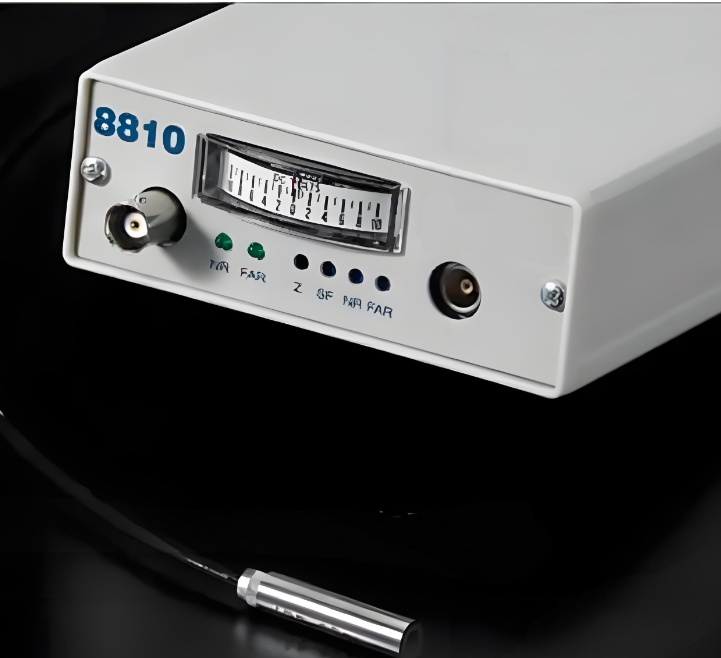
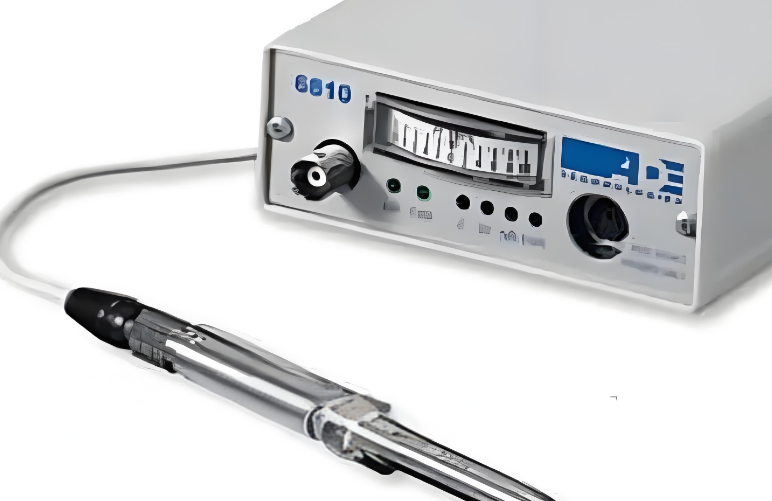


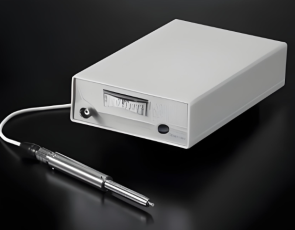
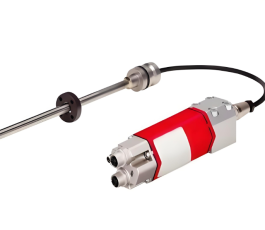
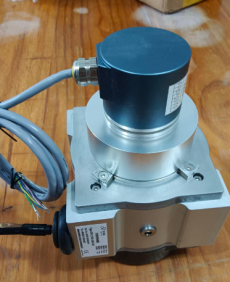
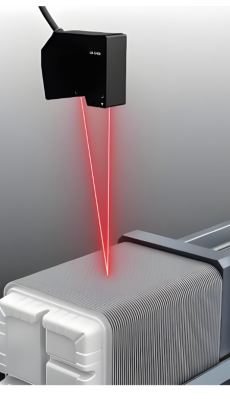

The core advantage of this capacitive displacement transducer is its ultra-high sensitivity, which can detect micro-displacement as small as 0.01μm, meeting the needs of high-precision micro-displacement measurement. The non-contact capacitive induction method has no mechanical wear, so it can achieve long-term stable measurement. The built-in signal amplification circuit effectively improves the signal-to-noise ratio, ensuring accurate output of micro-displacement data. It has a wide range of measuring options, which can meet the testing requirements of different micro-displacement ranges. Compared with traditional displacement sensors, it solves the pain point of low sensitivity for micro-displacement detection, providing higher measurement accuracy for scientific research and precision testing.
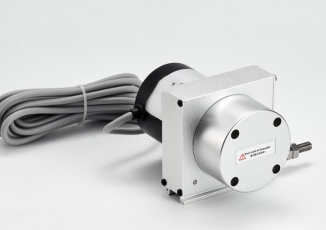
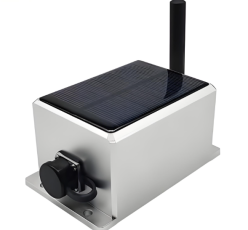
The capacitive displacement transducer has a measuring range of 0-10mm, with a sensitivity of 0.01μm and an accuracy of ±0.02μm. It supports two output signals: 0-5V voltage and 4-20mA current, which can be compatible with most data acquisition systems. It operates within a temperature range of -10℃ to +60℃, and is powered by 12V DC. The installation method adopts M8 thread fixing, which is convenient for small-space installation. The housing is made of aluminum alloy, with a size of 80*50*30mm and a weight of 0.3kg. The frequency response is 1kHz, which can meet the requirements of general dynamic displacement testing.
This product is widely used in laboratory micro-displacement testing, aerospace component deformation detection, precision instrument calibration, piezoelectric ceramic displacement measurement, and medical equipment micro-operation positioning. In scientific research institutions, it can be used to detect the deformation of micro-mechanical structures to provide data support for material science research. In aerospace component testing, it can detect the micro-deformation of high-precision parts to ensure the safety of aerospace products. It is also suitable for the calibration of precision instruments and the micro-positioning control of medical equipment.








 Post RFQ


 Chat
Chat


 ALL CATEGORIES