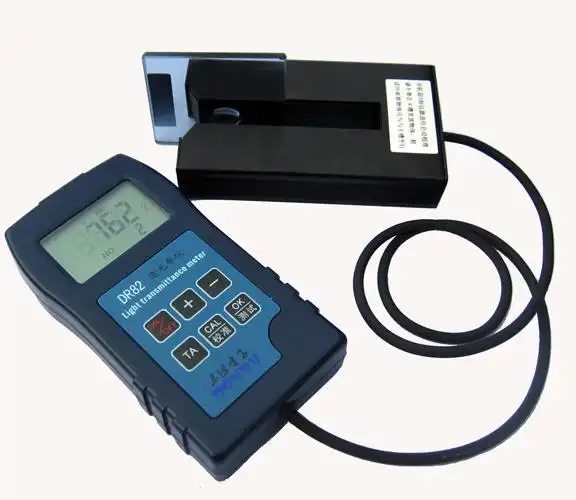
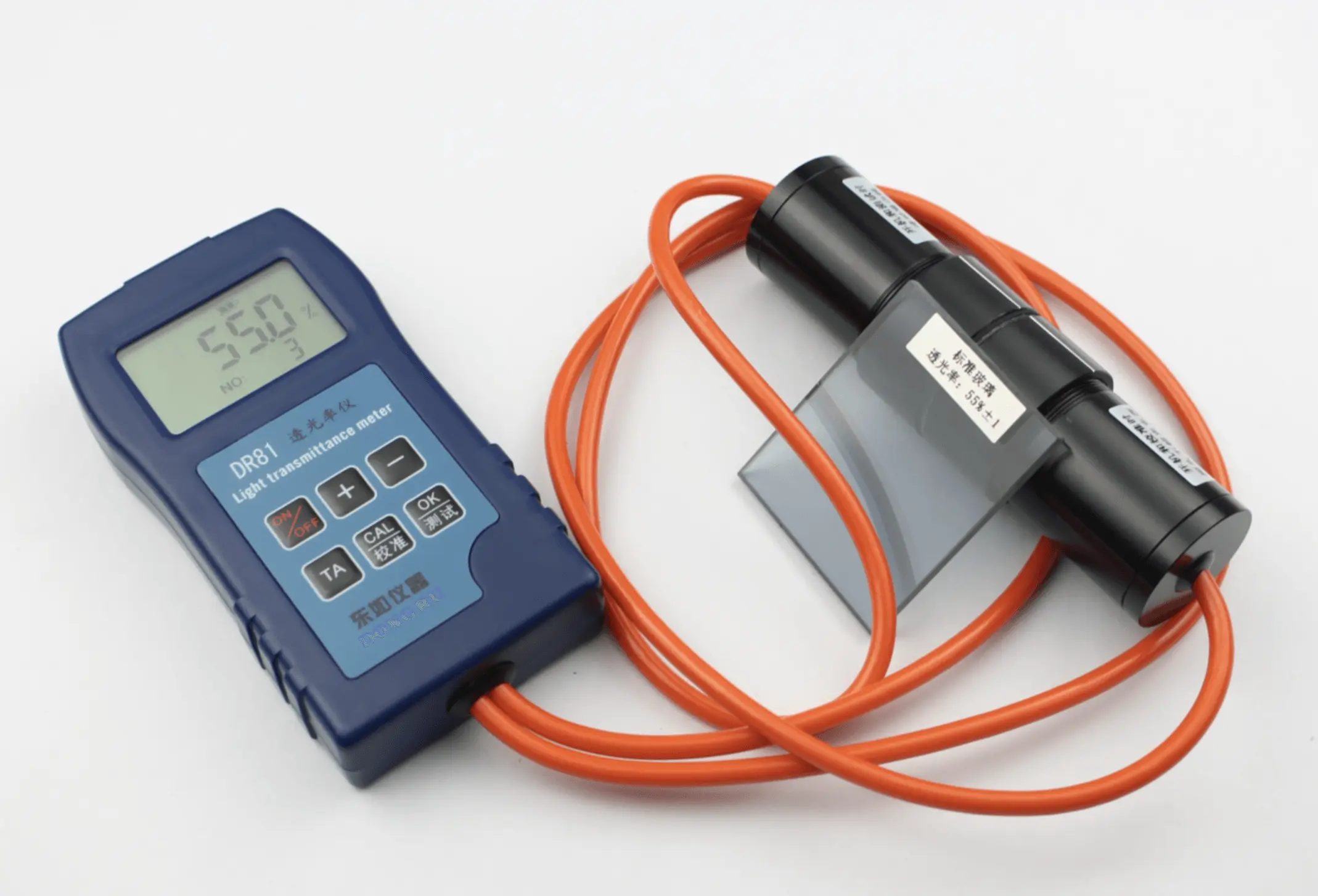


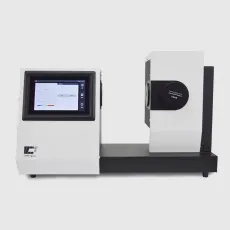
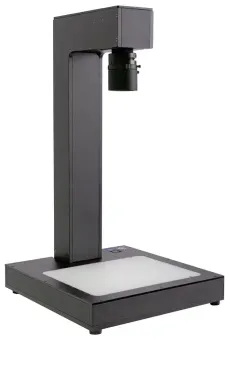

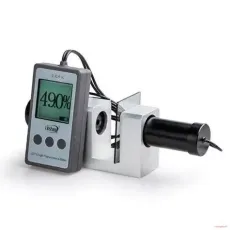

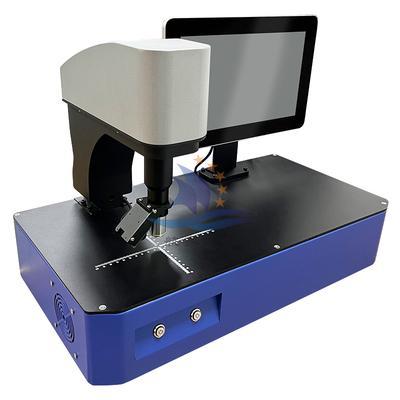
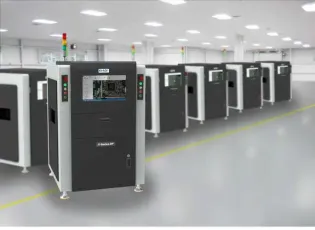
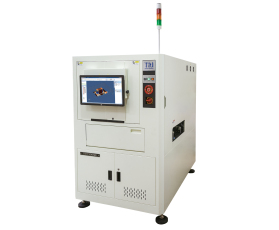
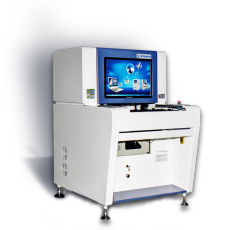
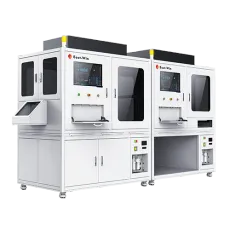
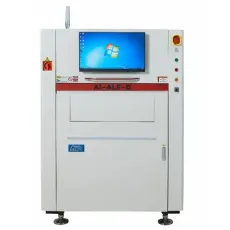
This detector adopts non-contact optical detection technology, which will not cause damage to the surface of the detected products, ensuring the integrity of the products. It can detect 60 products per minute, meeting the needs of large-scale mass production. It is equipped with an audible and visual alarm system, which will immediately issue an alarm when unqualified products are detected, and automatically trigger the rejection mechanism. It supports PLC communication interface, which can be seamlessly integrated with various industrial automation control systems, realizing real-time data monitoring and quality control of the production line. The stainless steel fuselage has good dustproof and corrosion resistance, suitable for harsh industrial production environment.
The detector has a detection speed of 60 pieces per minute, with a transmittance detection accuracy of ±0.3% and a resolution of 0.05%. It is compatible with conveyor belts with a width of 500mm to 1200mm, and can be customized according to user needs. The protection level is IP54, which can prevent dust and splashing water from entering the equipment. It is powered by 24V DC, matching the power supply standard of industrial production lines. It is equipped with Ethernet and PLC communication ports, supporting real-time remote data upload and production line control. The fuselage is made of stainless steel, with dimensions of 1200*800*500mm and a net weight of 65kg. The operating temperature range is 0℃ - 40℃, suitable for most industrial production environments.
This inline detector is mainly applicable to glass manufacturing production lines, plastic film production lines, packaging material production lines, architectural coating production lines and other industrial production scenarios. In the glass manufacturing industry, it can detect the transmittance of glass products in real time during the production process, eliminating unqualified products in time; in the plastic film production line, it can detect the light transmittance of packaging films, ensuring that the packaging materials meet the light transmission requirements; it can also be used for real-time quality control of transparent plates, optical films and other products in mass production.










 Post RFQ


 Chat
Chat


 ALL CATEGORIES