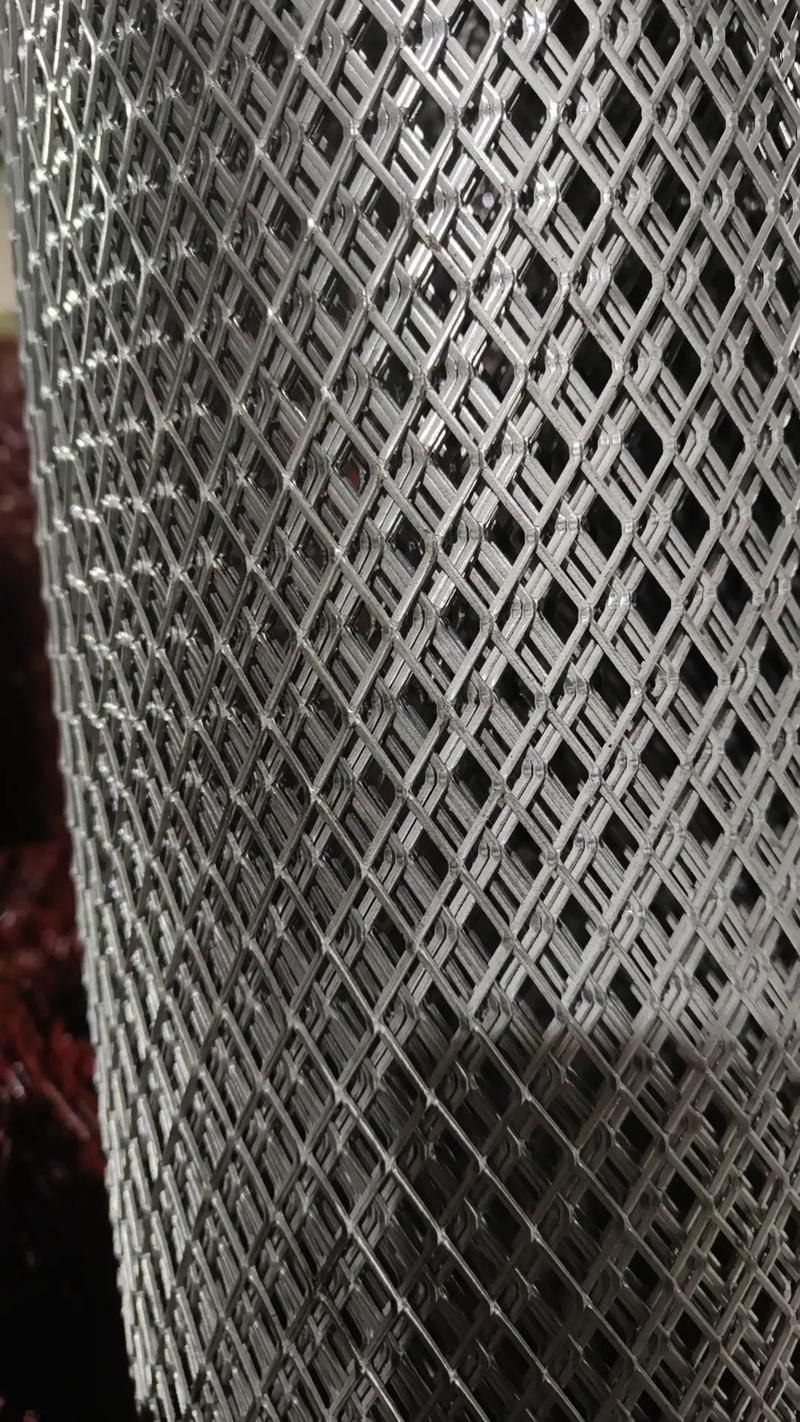
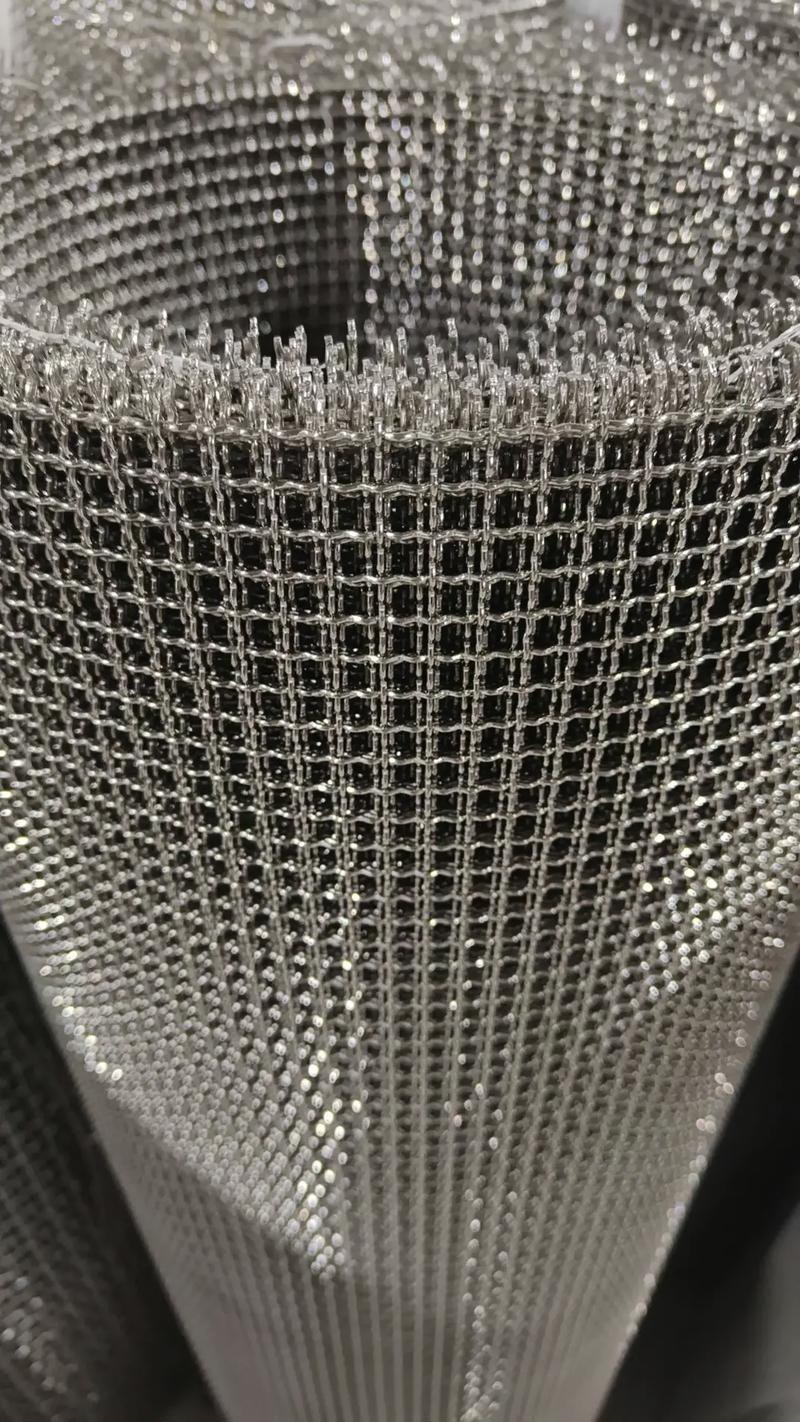


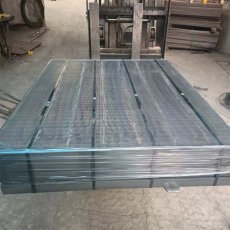
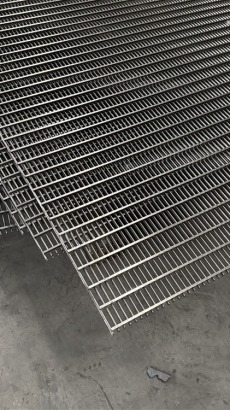
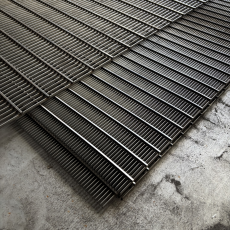
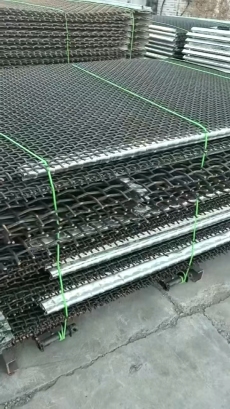
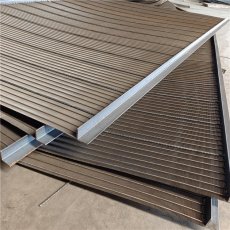
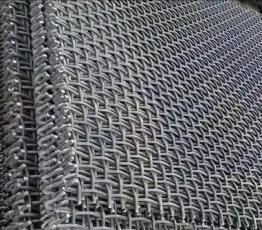
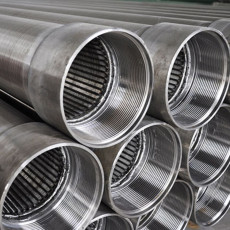
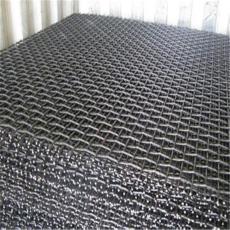
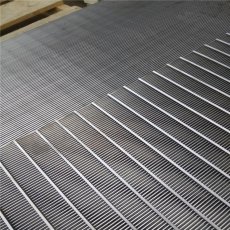
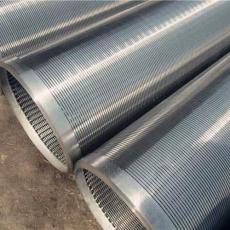
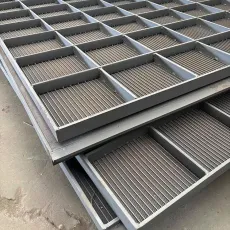
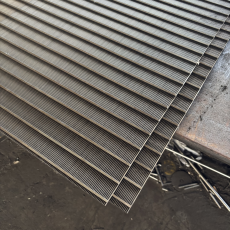
The standout feature of this screen is its Hastelloy C-276 material, which provides against aggressive chemicals such as sulfuric acid, hydrochloric acid, and chlorine gas, outperforming 316L stainless steel and duplex stainless steel in extreme corrosive environments. The 0.05mm ultra-fine slot width enables precise separation of catalyst powders and fine chemical particles, ensuring uniform particle size distribution and improving product performance. The spot-welded construction ensures minimal deformation, maintaining slot width accuracy even under thermal expansion or chemical exposure. The passivation treatment enhances surface corrosion resistance, extending the screen’s service life by 3 times compared to ordinary chemical screens. Its compact size makes it suitable for small-scale batch processing systems in pharmaceutical and fine chemical laboratories.
This Hastelloy wedge wire screen features a 1.5mm thick Hastelloy C-276 support bar and 0.05mm ultra-fine slot width, accurately separating particles larger than 0.05mm from chemical powders. The overall dimensions of 600mm * 1200mm are compatible with most standard chemical processing vibrating screens and laboratory screening equipment. It operates stably within a temperature range of -5℃ to 100℃, adapting to both low-temperature chemical synthesis and moderate-temperature drying processes. The spot-welded joints are distributed at 50mm intervals, ensuring structural stability without blocking the screen surface. Each screen undergoes corrosion testing in 10% sulfuric acid solution for 72 hours, with no visible corrosion or weight loss detected. It meets ASTM G31 corrosion resistance standards, ensuring compliance with chemical industry safety regulations.
This wedge wire screen is primarily used in fine chemical manufacturing, where it screens catalyst powders to ensure uniform particle size, improving catalytic reaction efficiency. In pharmaceutical production, it separates active pharmaceutical ingredient (API) powders from impurities, ensuring product purity and meeting FDA pharmaceutical standards. It is also suitable for chemical research laboratories, performing ultra-fine screening of experimental chemical samples to obtain precise particle size fractions. In fertilizer production, it screens fine chemical fertilizer particles to ensure consistent nutrient distribution, improving fertilizer effectiveness. Its exceptional corrosion resistance makes it ideal for chlor-alkali industry applications, where it separates solid impurities from caustic soda solutions without corroding or degrading over time.








 Post RFQ


 Chat
Chat


 ALL CATEGORIES