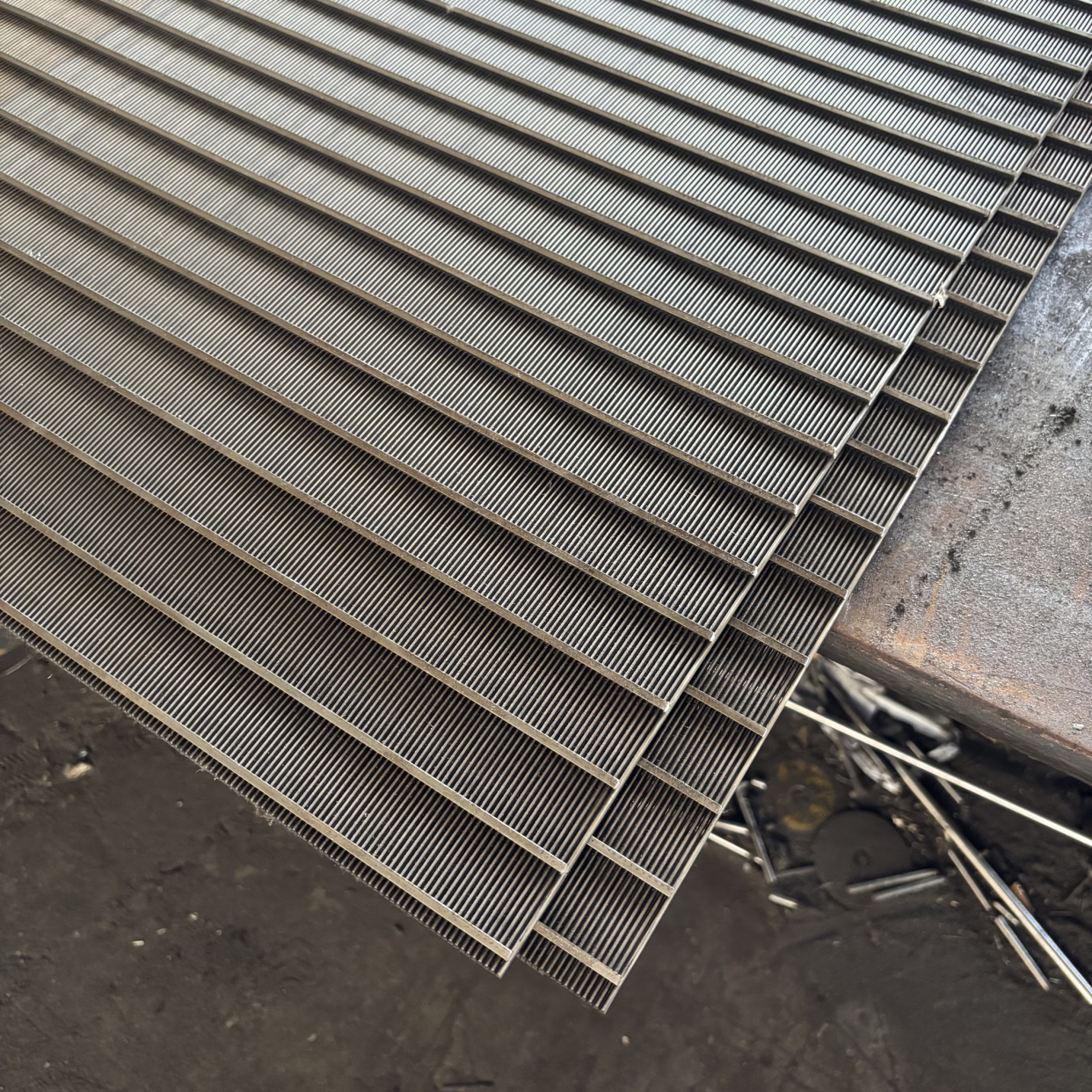
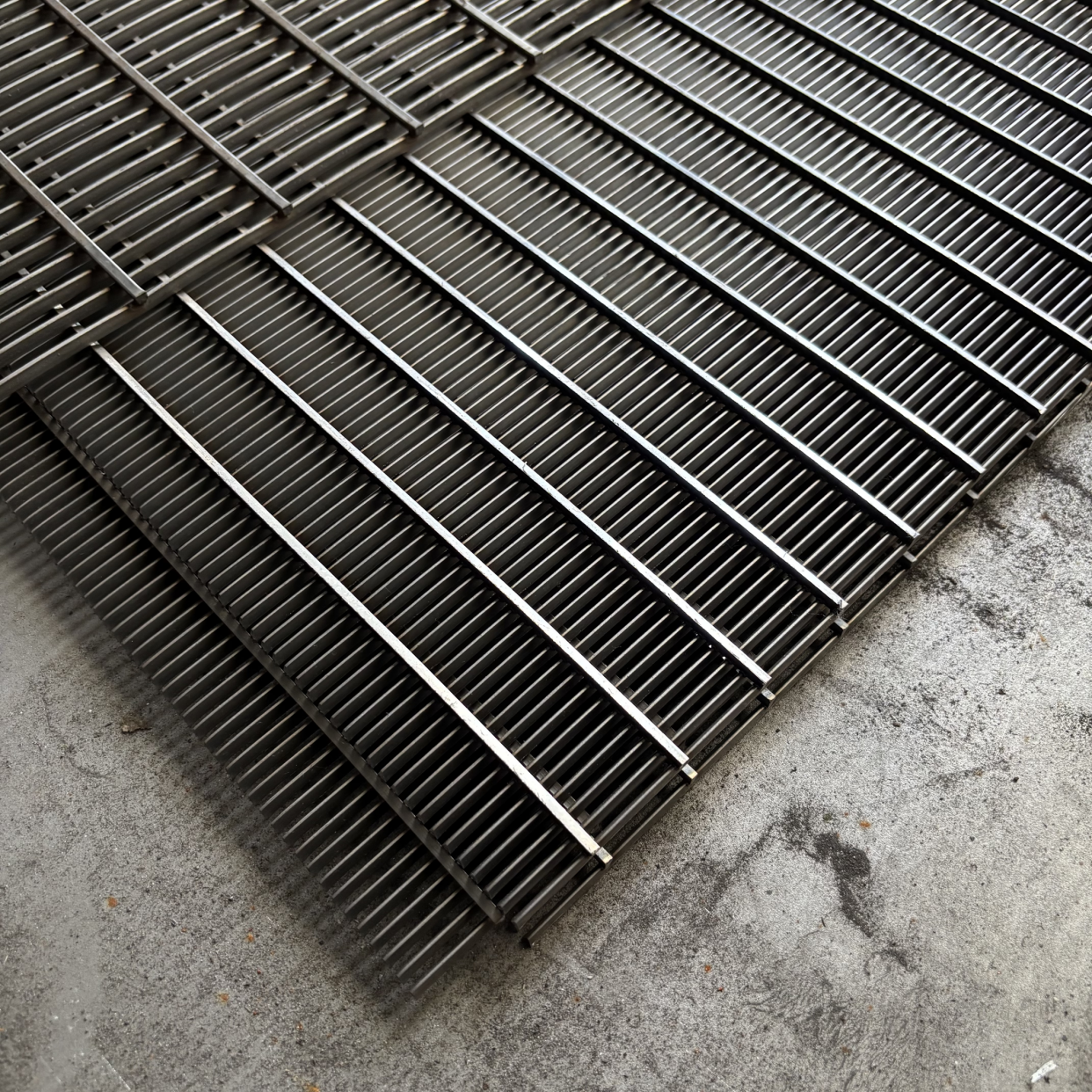


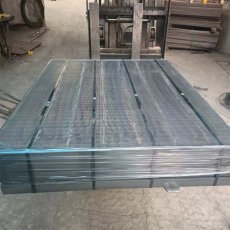
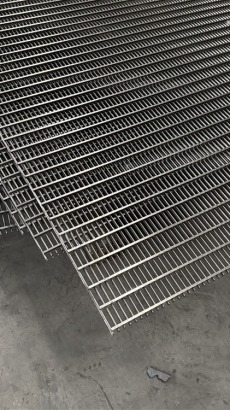
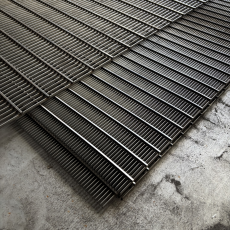
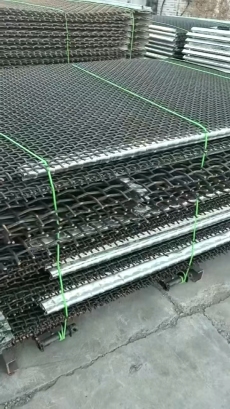
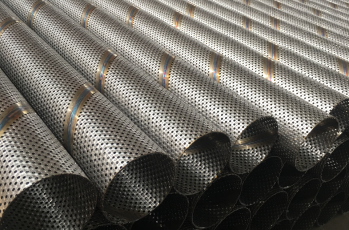
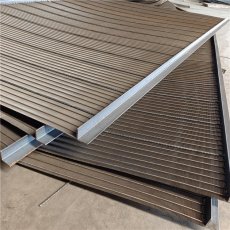
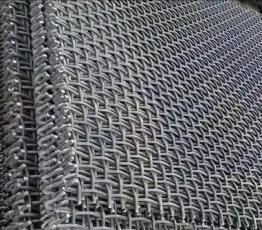
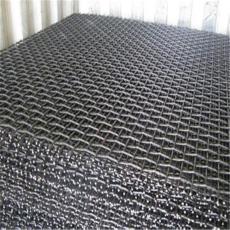
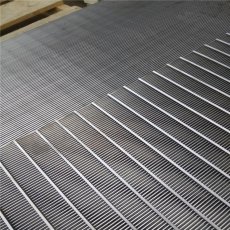
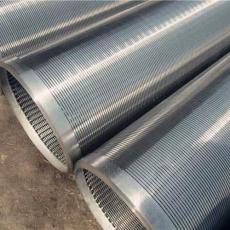
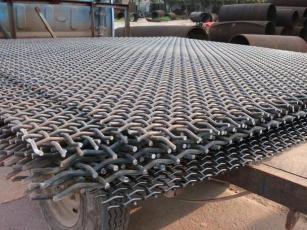
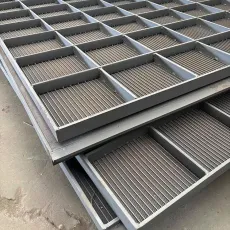
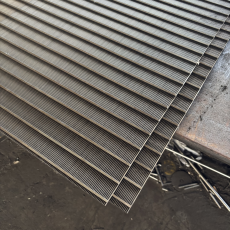
The most prominent feature of this product is extreme wear resistance. Through the dual surface treatment of quenching and spray-welded wear-resistant layer, the surface hardness reaches HRC62 or above, which increases the service life by 3-5 times compared with ordinary manganese steel screens, effectively reducing downtime for replacement. The slot is formed by precision cold bending technology, with smooth edges and no burrs, avoiding material jamming and blockage, and ensuring the screening efficiency remains stable above 90%. The bolt fastening and slot splicing connection method allows for quick installation and disassembly without professional tools, and a single screen can be replaced within 15 minutes. In addition, the screen has a compressive strength of ≥1200MPa, which can withstand the impact load of high-drop ore without deformation or fracture, suitable for large-scale mineral processing production lines with a daily processing capacity of over 1000 tons.
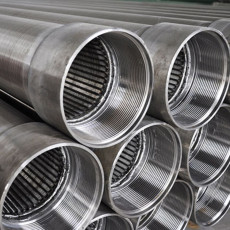
The core specification parameters of the product are as follows: the material is high-chromium alloy wear-resistant steel with a chromium content of ≥26% to ensure wear resistance; the slot width can be customized in the range of 0.5-10mm, with a tolerance controlled within ±0.05mm; the wire diameter is 8-16mm, and different wire diameters correspond to different compressive levels; the open area ratio is 25-45%, which can be adjusted according to screening efficiency requirements; the temperature resistance range covers -40℃ to 280℃, adapting to low-temperature mines in northern regions and screening scenarios of high-temperature dried ore; the size can be customized, with conventional sizes of 1000×2000mm, 1200×2400mm, 1500×3000mm, and a thickness of 50-120mm; the surface hardness is HRC62-65; the connection hole diameter is 16mm, evenly distributed at a spacing of 200mm; the impact resistance is ≥35J/cm²; the weight is 80-150kg per piece.
Widely used in the mineral processing screening links of metal mines (iron ore, copper ore, gold ore) and non-metal mines (granite, limestone, quartz sand), it is compatible with mainstream screening equipment such as vibrating screens, trommel screens, and flip-flow screens. Typical application scenarios include coarse screening of raw ore in open-pit mines, medium and fine crushing screening in underground concentrators, and fine classification of tailings recovery. In addition, it can also be used for aggregate classification in sand and gravel aggregate production lines to separate sand and gravel of different particle sizes to meet the specifications of construction sand. For harsh working conditions with high wear and high impact, this screen can operate continuously and stably, especially suitable for large-scale concentrators and sand and gravel plants with a daily processing capacity of 500-2000 tons, helping users reduce consumable costs and downtime losses.








 Post RFQ


 Chat
Chat


 ALL CATEGORIES