

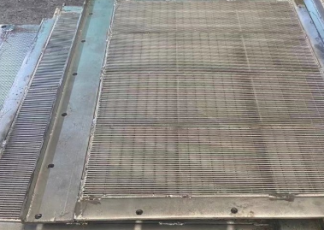
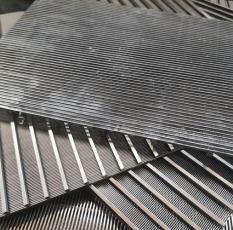
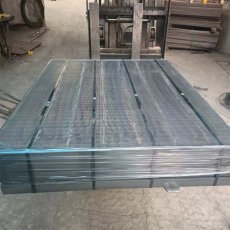
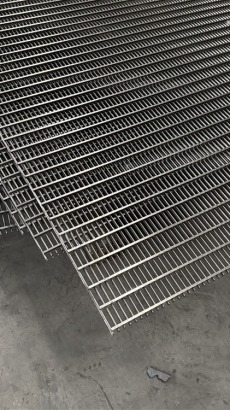
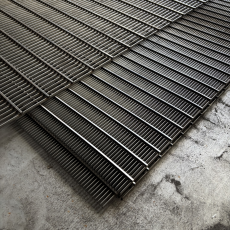
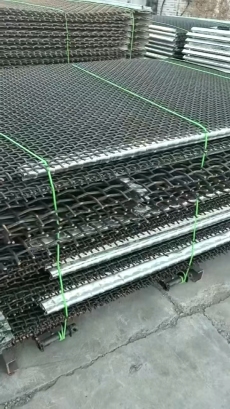
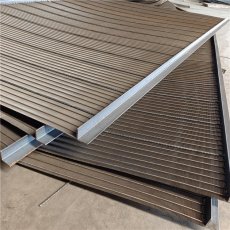
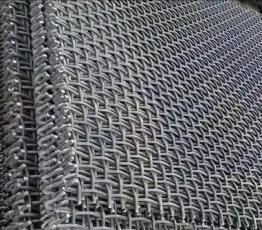
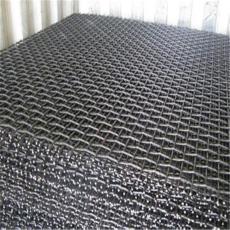
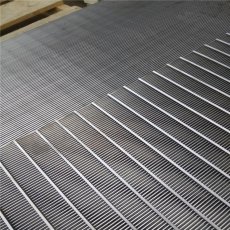
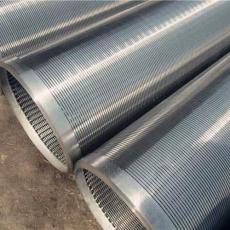
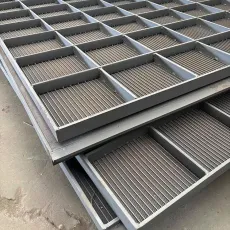
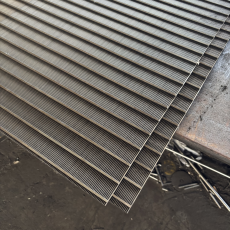
The high-chromium alloy steel material undergoes a specialized hardened quenching process, which enhances its surface hardness to HRC 58-62, effectively resisting the impact and abrasion of hard ore particles such as iron ore and granite. The bolted flange connection system allows for quick and secure installation, minimizing equipment downtime during replacement. Unlike traditional woven screens, its continuous wedge wire structure eliminates hook-shaped openings that cause material blockages, ensuring smooth material flow and consistent screening efficiency. Additionally, the optimized open area ratio of 35% increases material throughput by 25% compared to conventional screens, directly boosting operational productivity. It also holds ISO9001 certification, guaranteeing compliance with international quality standards for mining equipment.
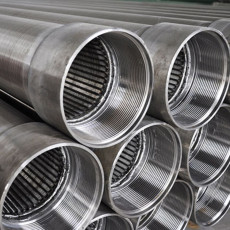
This mining wedge wire screen features a standard panel size of 1200mm (width) × 2400mm (length), with a screen surface thickness of 12mm to withstand heavy loads. The screen slot width is precisely set at 0.5mm to ensure accurate classification of ore particles, while the open area ratio of 35% balances throughput and screening precision. The screen can operate within a temperature range of -40℃ to 150℃, adapting to both cold high-altitude mining sites and high-temperature ore processing environments. Its load capacity reaches 15t/m², making it suitable for heavy material stacking and continuous screening operations. The hardened quenching surface treatment provides a wear-resistant layer with a thickness of 2mm, extending the service life to over 5000 hours. The bolted flange connection uses M16 high-strength bolts, ensuring a stable and leak-free connection to screening equipment. Each panel weighs approximately 125kg, facilitating safe and efficient handling during installation and replacement.
This heavy-duty wedge wire screen is ideally suited for a wide range of mining and ore processing scenarios. It is primarily used in primary and secondary screening stages of large-scale iron ore, copper ore, and granite dressing plants, effectively separating coarse ore particles from fines to optimize the subsequent crushing and grinding processes. It is also widely applied in quarry sites for screening crushed stone aggregates used in construction projects, ensuring consistent particle size distribution that meets national building material standards. Additionally, it can be integrated into mobile screening units for on-site ore processing in remote mining areas, providing reliable screening performance even in harsh outdoor conditions. The screen’s wear-resistant properties make it a for mining operations dealing with hard, abrasive materials, where traditional screens would fail prematurely, leading to increased maintenance costs and operational delays.








 Post RFQ


 Chat
Chat


 ALL CATEGORIES