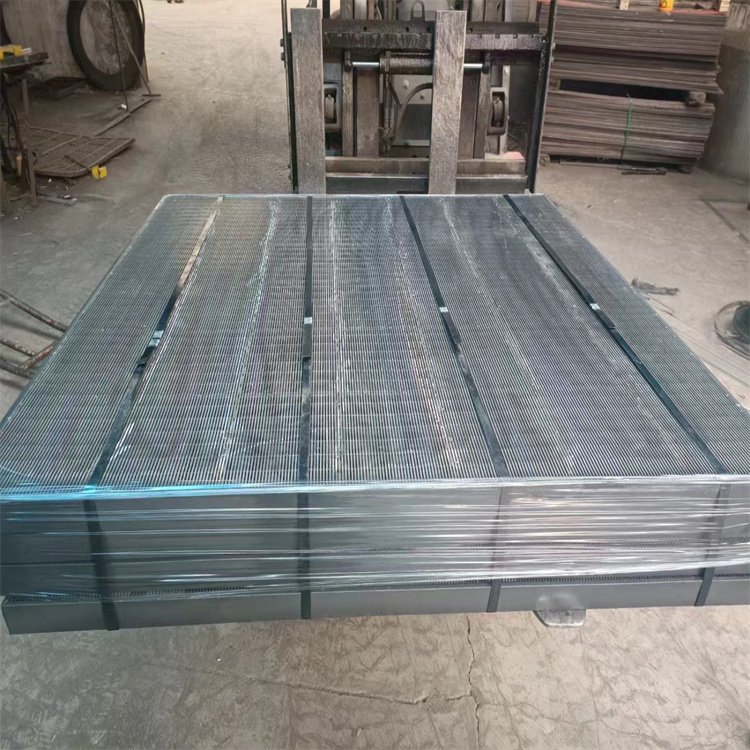
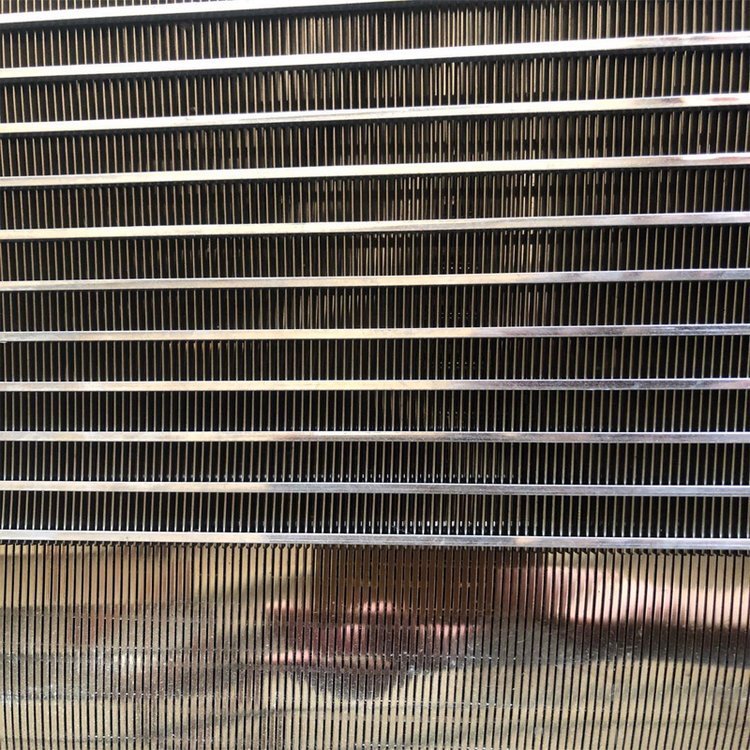


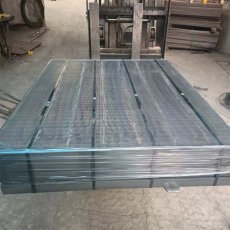
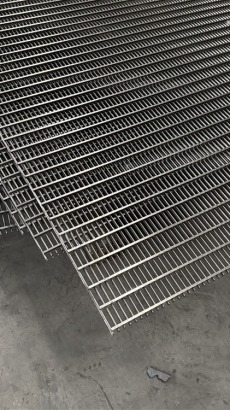
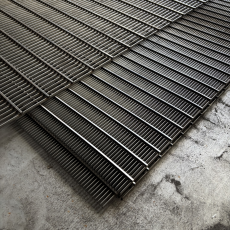
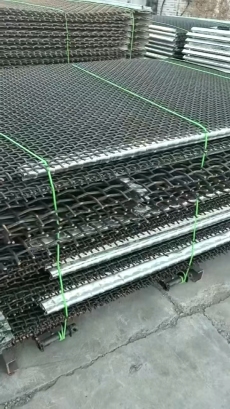
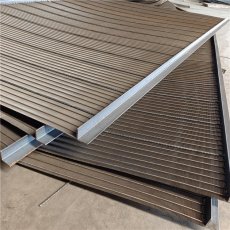
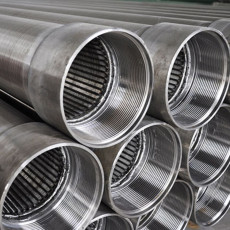
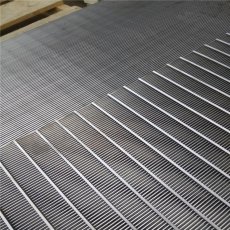
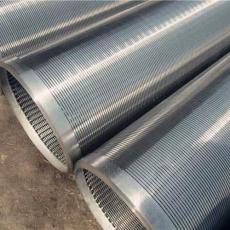
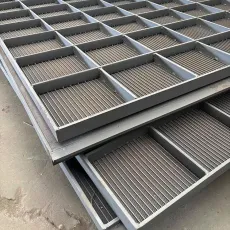
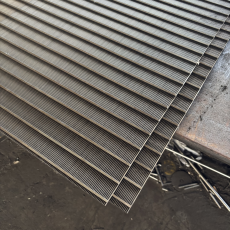
Built with duplex stainless steel, this screen offers twice the corrosion resistance of standard 304 stainless steel, making it ideal for handling acidic or alkaline industrial wastewater containing chemicals and heavy metals. The integrated brush-type self-cleaning system operates continuously during screening, removing trapped debris from the screen surface in real time and reducing clogging-related downtime by up to 70%. With a 32% open area ratio, it maximizes wastewater throughput while ensuring effective solid-liquid separation. The passivated surface creates a protective oxide layer that prevents rust and scale buildup, extending the screen’s service life by 50% compared to non-passivated screens. The bolted connection design ensures secure installation and easy replacement of the cleaning brush module when needed.
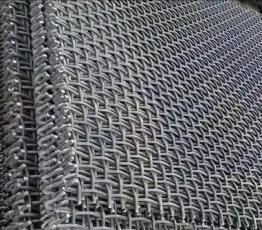
The screen has a 1.2mm slot width, optimized for separating 1-3mm solid debris from wastewater, with a 3.5mm wire diameter that provides structural stability under high-flow conditions. Common dimensions include 1000×2000mm, 1500×3000mm, and 2000×4000mm, with custom sizes available to fit different wastewater intake systems. It operates within a temperature range of 0℃ to 100℃, suitable for both cold and heated industrial wastewater. The compressive strength of ≥65MPa ensures it can withstand high-pressure wastewater flows without deformation. The passivated surface has a corrosion resistance rating of ≥1000 hours in a neutral salt spray test. The automatic cleaning brush is made of food-grade nylon, ensuring no secondary contamination, and it operates at a speed of 1-2 rotations per minute, adjusted based on debris load. The screen is certified to CE and ISO 14001 environmental standards, guaranteeing its eco-friendly performance.
This self-cleaning wedge wire screen is primarily used in municipal wastewater treatment plants as a primary screening device to remove large solid debris from incoming sewage. It is also essential in industrial wastewater treatment facilities, including chemical plants, textile factories, and food processing wastewater systems, where it separates process-related solid waste before biological treatment. Additionally, it is applied in stormwater management systems to filter debris from rainwater runoff, preventing pollution of natural water bodies. The screen is compatible with drum screens, vibrating screens, and static screening systems commonly used in wastewater treatment. It is particularly suitable for high-flow wastewater treatment facilities where manual cleaning is impractical and continuous operation is required to meet regulatory discharge standards.








 Post RFQ


 Chat
Chat


 ALL CATEGORIES