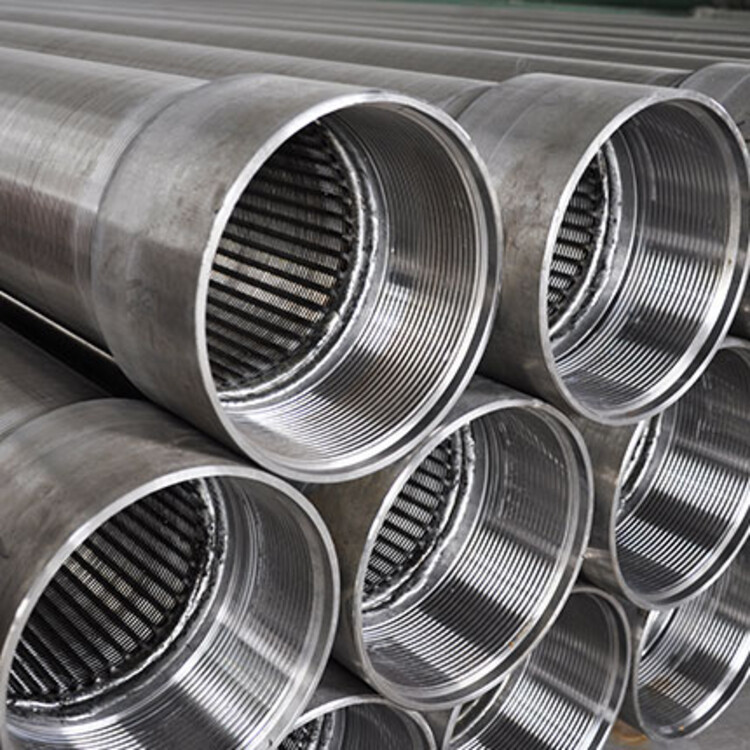
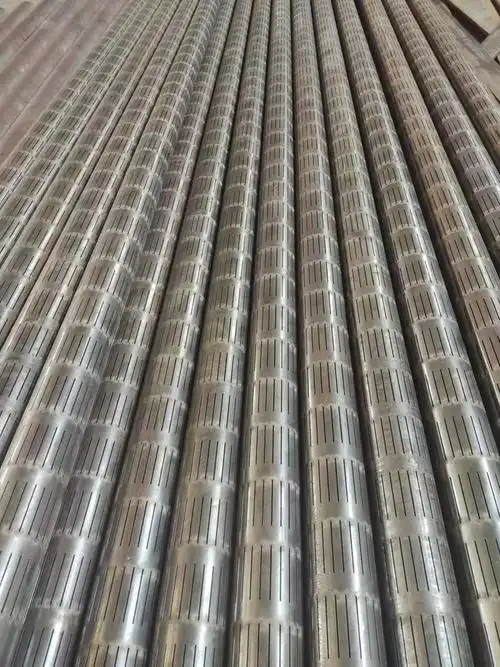


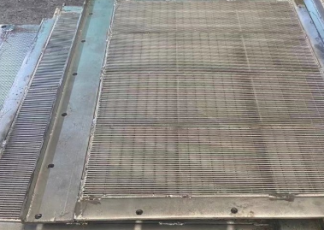
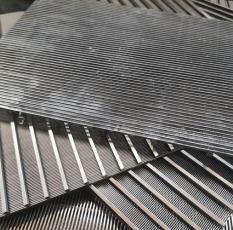
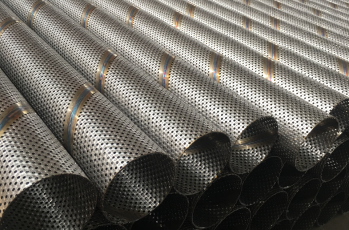
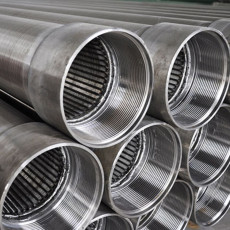
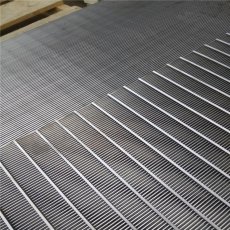
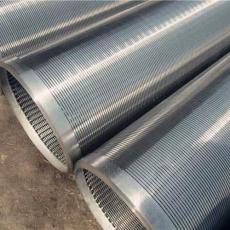
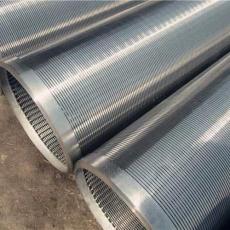
The key features of this wedge wire screen pipe include its high-pressure resistance and precise sand control capability. Made from API 5CT P110 alloy steel, it has a minimum yield strength of 758 MPa, enabling it to withstand downhole pressures of up to 10000 PSI and temperatures of up to 200℃, making it suitable for deep oil wells and high-pressure reservoirs. The API standard thread connection ensures a secure and leak-free fit with downhole equipment, eliminating the risk of thread failure during installation and operation. The 0.2mm screen slot width provides D90 sand control, blocking 90% of sand particles larger than 0.2mm while maintaining a high open area ratio of 22% to maximize oil and gas flow rates. Unlike traditional slotted liners, its continuous wedge wire structure eliminates stress concentrations, reducing the risk of pipe deformation or rupture in high-pressure environments.
This oil well wedge wire screen pipe has an outer diameter of 177.8mm (7 inches) and a wall thickness of 9.17mm, meeting API 5CT P110 grade standards. The screen slot width is precisely manufactured to 0.2mm, ensuring effective sand control while minimizing flow resistance. The open area ratio of 22% balances sand control performance and oil/gas throughput, maximizing production efficiency. The pipe can operate within a temperature range of -50℃ to 200℃, adapting to both cold arctic oil fields and high-temperature deep wells. Its pressure resistance reaches 10000 PSI, making it suitable for high-pressure reservoirs with well depths of up to 5000 meters. The API standard thread connection uses a premium thread compound to ensure a tight seal, preventing sand from entering the pipe through thread gaps. Each pipe has a standard length of 12000mm (40 feet) and weighs approximately 320kg, facilitating easy transportation and installation.
This API 5CT P110 wedge wire screen pipe is gas extraction scenarios. In onshore oil fields, it is used in vertical and deviated wells to prevent sand production from unconsolidated reservoirs, protecting downhole pumps and tubing from abrasion and reducing maintenance costs. In offshore drilling platforms, it withstands harsh marine environments and high downhole pressures, ensuring reliable sand control and continuous oil production. It is also widely applied in shale gas wells, where it controls sand production from fractured reservoirs, extending the service life of fracturing equipment and improving production efficiency. Additionally, it can be used in geothermal wells to control sand and sediment, protecting geothermal fluid extraction equipment from damage. Its API 5CT certification ensures compliance with international oil and gas industry standards, making it a trusted choice for oil and gas operators worldwide.








 Post RFQ


 Chat
Chat


 ALL CATEGORIES