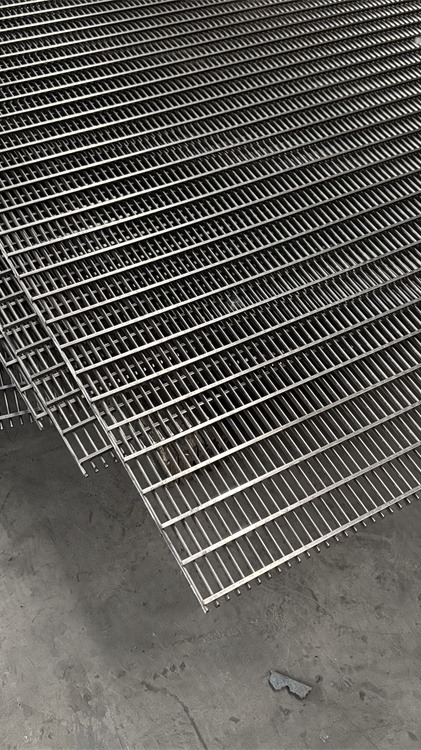
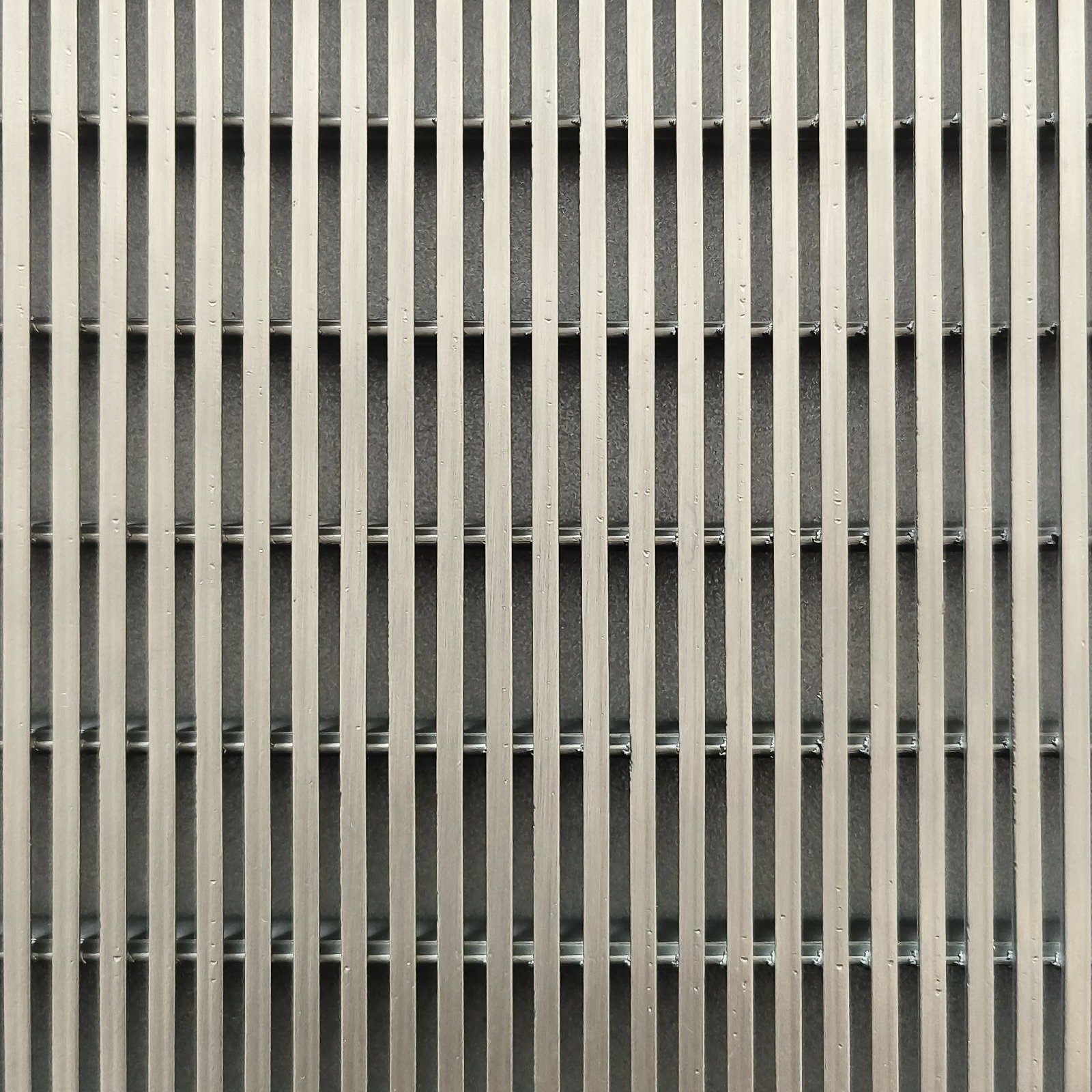


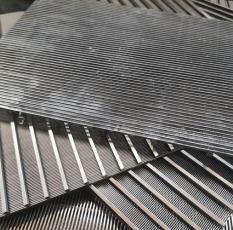
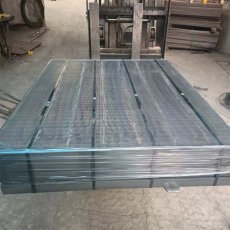
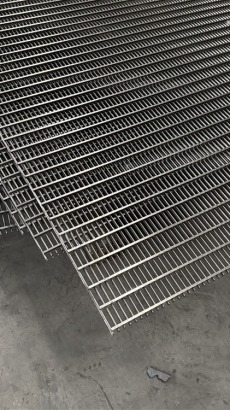
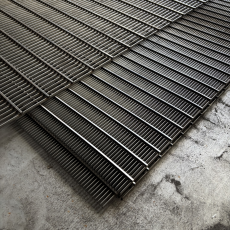
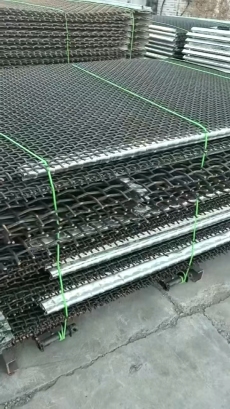
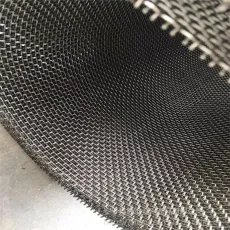
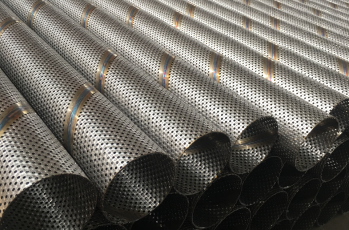
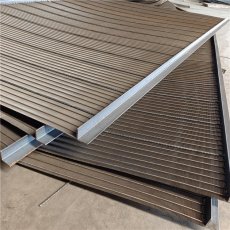
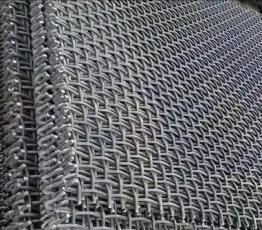
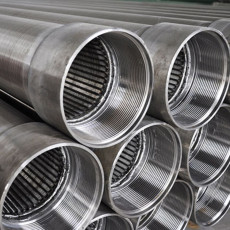
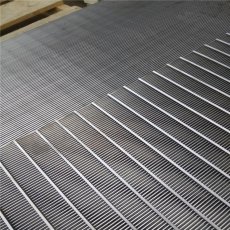
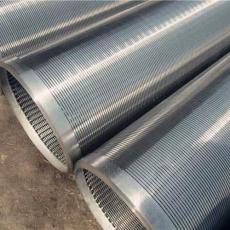
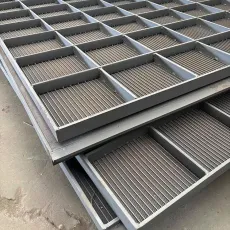
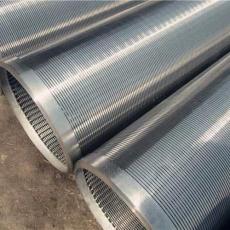
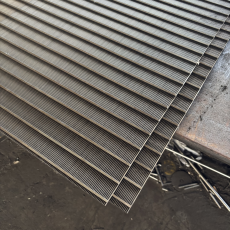
Made from high-quality 304 stainless steel, this wedge wire screen provides excellent corrosion resistance to a wide range of chemical solvents and pharmaceutical liquids. The mirror-polished surface creates an ultra-smooth finish that prevents particle adhesion and makes it easy to sanitize, meeting GMP requirements for sterile production environments. With a 0.1mm slot width, it delivers precise separation of ultra-fine particles, ensuring product purity levels of up to 99.9%. The welded wedge wire construction maintains slot width accuracy within ±0.02mm, eliminating inconsistent filtration results. The screen’s low-profile design allows it to be integrated into compact filtration systems, saving valuable space in laboratory and production facilities. Additionally, its lightweight yet durable construction reduces installation and handling costs while ensuring long-term reliability.
The screen features an ultra-fine 0.1mm slot width, perfect for filtering particles as small as 0.08-0.12mm, paired with a 1.2mm wire diameter that balances structural strength and open area. Common standard dimensions include 300×600mm, 400×800mm, and 500×1000mm, with custom sizes available to fit specific filtration equipment. It operates within a temperature range of -5℃ to 150℃, suitable for both cold and heated chemical and pharmaceutical processes. The compressive strength of ≥35MPa ensures it can withstand high-pressure filtration flows up to 10 bar without deformation. The mirror-polished surface has a roughness of Ra ≤0.2μm, meeting strict sterile environment requirements. Each screen undergoes rigorous GMP compliance testing, including particle retention efficiency and leak-proof performance, guaranteeing its suitability for critical pharmaceutical and chemical applications.
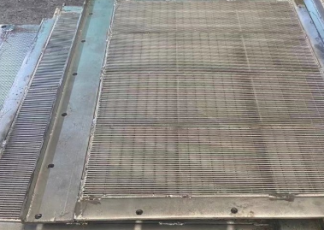
This high-precision wedge wire screen is widely used in pharmaceutical manufacturing for filtering active pharmaceutical ingredients (APIs), sterile injections, and oral drug formulations to remove micro-particles and contaminants. In the fine chemical industry, it is applied in the production of specialty chemicals, pigments, and dyes to separate ultra-fine particles and ensure consistent product quality. It is also used in laboratory research facilities for sample preparation and particle analysis, providing accurate and reliable filtration results. The screen is compatible with cross-flow filters, pressure filters, and membrane filtration systems commonly used in pharmaceutical and chemical processing. It is particularly suitable for small-batch, high-purity production operations where precise particle separation and compliance with strict regulatory standards are essential.








 Post RFQ


 Chat
Chat


 ALL CATEGORIES