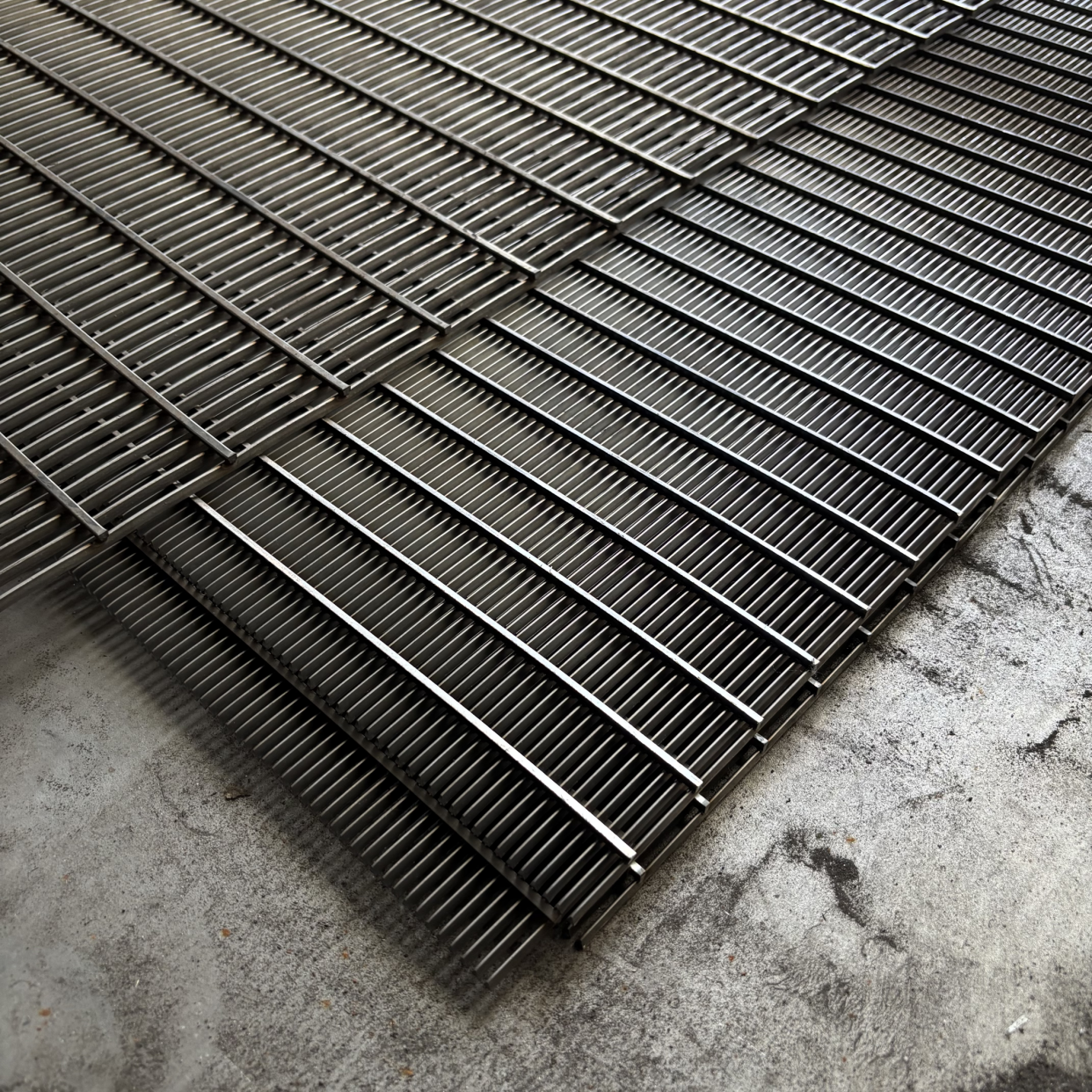
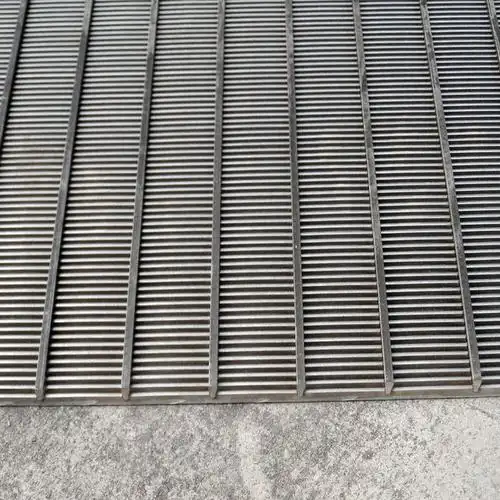


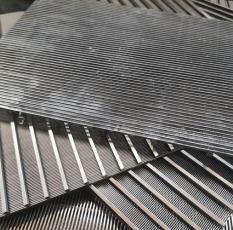
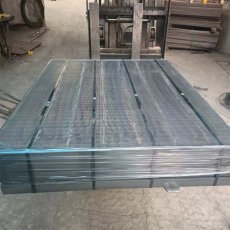
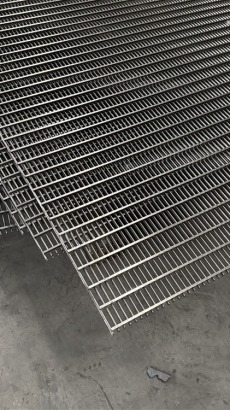
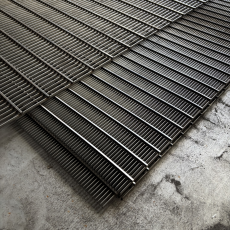
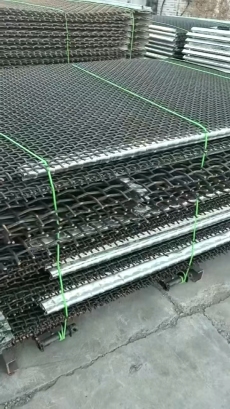
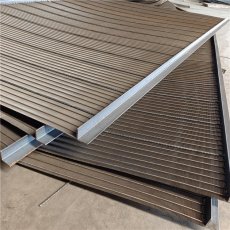
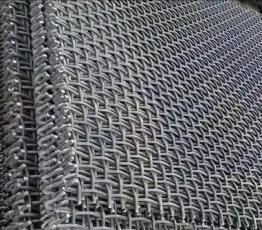
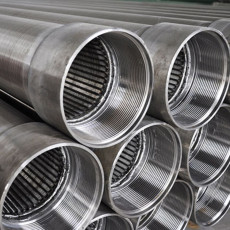
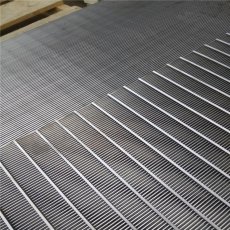
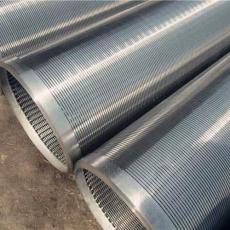
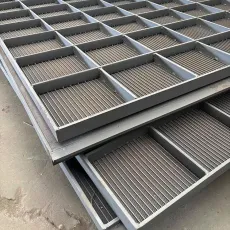
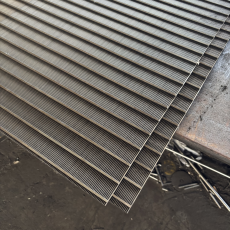
Constructed from high-manganese steel, this wedge wire screen offers exceptional wear resistance, making it ideal for handling abrasive mine tailings and industrial sludge containing hard particles. The hardfaced surface treatment adds a 5-8mm thick wear-resistant layer, extending the screen’s service life by 40% compared to standard carbon steel screens. reducing tailings moisture content to as low as 30% and minimizing waste disposal costs. The wedge lock connection system allows for tool-free installation and replacement, cutting downtime by up to 50% compared to bolted screens. The screen’s rigid structural design ensures it can withstand heavy loads and high-pressure dewatering processes without deformation, maintaining consistent performance even in the harshest operating conditions.
The screen has a 4.0mm slot width, optimized for dewatering 3-6mm tailings particles, with an 8.0mm wire diameter that provides exceptional structural strength under heavy loads. Common dimensions include 1200×2400mm, 1500×3000mm, and 1800×3600mm, with custom sizes available to fit standard dewatering equipment. It operates within a temperature range of -30℃ to 150℃, suitable for both cold and heated tailings dewatering applications. The compressive strength of ≥95MPa ensures it can withstand high-pressure dewatering flows up to 15 bar without deformation. The hardfaced layer has a hardness of HRC 55-60, providing superior wear resistance to abrasive tailings. Each screen undergoes strict quality testing to ensure slot width accuracy within ±0.2mm and is certified to ISO 12100 occupational health and safety standards, guaranteeing safe operation in mining and industrial facilities.
This heavy-duty wedge wire screen is primarily used in metal ore mining operations such as iron ore, copper ore, and nickel ore processing to dewater tailings before disposal or reprocessing. It is also widely applied in coal preparation plants to dewater coal sludge, reducing moisture content and improving the quality of coal products. Additionally, it is used in industrial sludge treatment facilities to dewater wastewater sludge from chemical plants, steel mills, and paper mills, reducing waste volume and meeting environmental regulations. The screen is compatible with belt filter presses, vacuum filters, and vibrating dewatering screens commonly used in tailings and sludge treatment operations. It is particularly suitable for high-volume mining and industrial facilities where efficient dewatering, wear resistance, and quick maintenance are critical to reducing operational costs and environmental impact.








 Post RFQ


 Chat
Chat


 ALL CATEGORIES