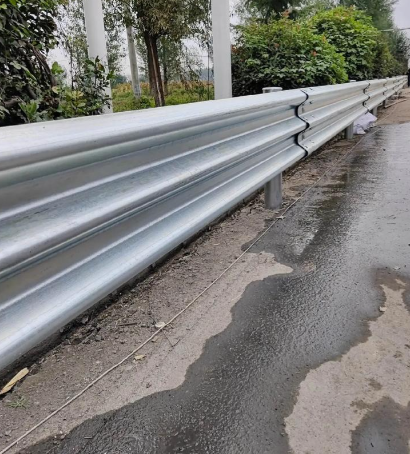


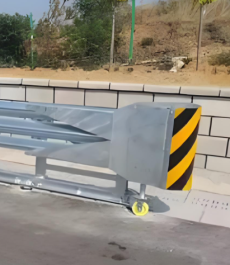
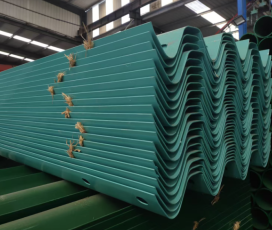
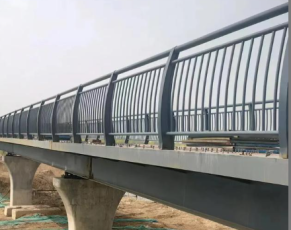
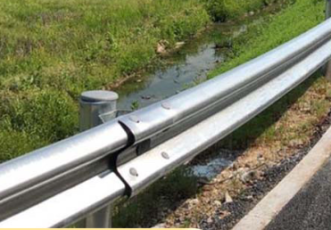
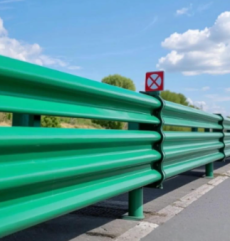
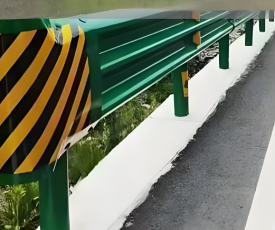
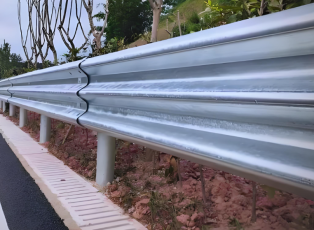
This guardrail’s core advantage is its high impact resistance and long service life, using Q345 high-strength low-alloy steel that provides 20% higher tensile strength than Q235 steel, effectively absorbing kinetic energy from high-speed heavy vehicles during collisions. The hot-dip galvanized surface treatment forms a dense zinc-iron alloy layer, which is 3 times more corrosion-resistant than electro-galvanized treatments, making it suitable for coastal expressways with salt spray corrosion and northern highways with frequent snow melting salt usage. The 2-meter post spacing ensures structural stability, preventing post deformation or panel detachment when hit by heavy trucks. Its splice plate connection system allows seamless panel alignment, eliminating gaps that could cause vehicle parts to get caught during collisions. Additionally, it is compatible with highway anti-collision buffer devices and transition sections, integrating with other safety facilities to create a continuous protection system. The product has passed strict crash tests in accordance with JT/T 281-2007 standards, ensuring reliable performance in real accident scenarios.
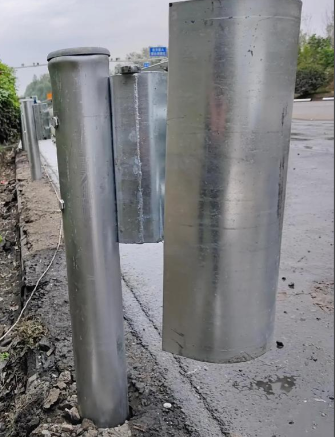
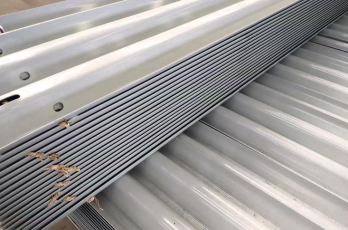
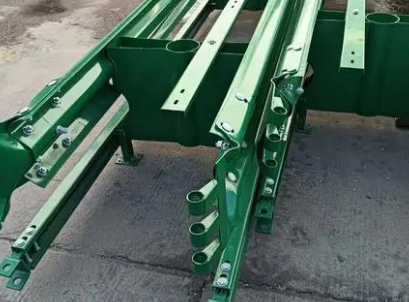
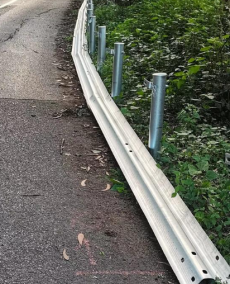
The guardrail panel has a width of 310mm and a corrugated depth of 55mm, with a panel thickness of 3.0mm to enhance impact resistance. The supporting round pipe posts have a diameter of 140mm and a wall thickness of 4.5mm, with a total height of 1500mm (810mm above ground, 690mm buried underground) to ensure stability in highway subgrade with high compaction requirements. Each unit (including one panel and two posts) weighs approximately 115kg, meeting the load-bearing requirements of highway construction machinery. The hot-dip galvanized layer adheres to GB/T 13912 standards, with a minimum zinc content of 600g/㎡, providing excellent corrosion resistance. The connection components include M20 high-strength bolts, splice plates, and anti-loosening nuts, ensuring no structural failure under repeated impact and vibration. The product can operate stably in temperatures ranging from -40℃ to 70℃, adapting to extreme weather conditions in various regions. Its anti-bending strength reaches ≥345MPa, meeting Grade A impact resistance requirements, which can withstand impact from 10-ton trucks traveling at 80km/h. The panel length is 4000mm, aligning with standard highway guardrail modular design for efficient construction.
This guardrail is widely used in main lines of national highways, provincial expressways, and urban expressways with daily traffic volumes exceeding 5000 vehicles. It is essential for straight road sections, curved sections with radii above 250m, and uphill/downhill sections with gradients below 6%, preventing vehicles from running off the road and reducing the severity of multi-vehicle collisions. Typical application scenarios include coastal expressways with salt spray corrosion, northern highways with winter snow melting salt, and intercity expressways with heavy truck traffic. It is also suitable for highway interchange transition sections and toll station entrance/exit areas, where vehicle speed changes frequently increase collision risks. Additionally, it can be used in highway maintenance projects to replace aging guardrails, improving overall road safety performance. This product meets the strict safety requirements of modern highway construction, complying with national and industry standards to ensure the safety of millions of drivers and passengers every day.








 Post RFQ


 Chat
Chat


 ALL CATEGORIES