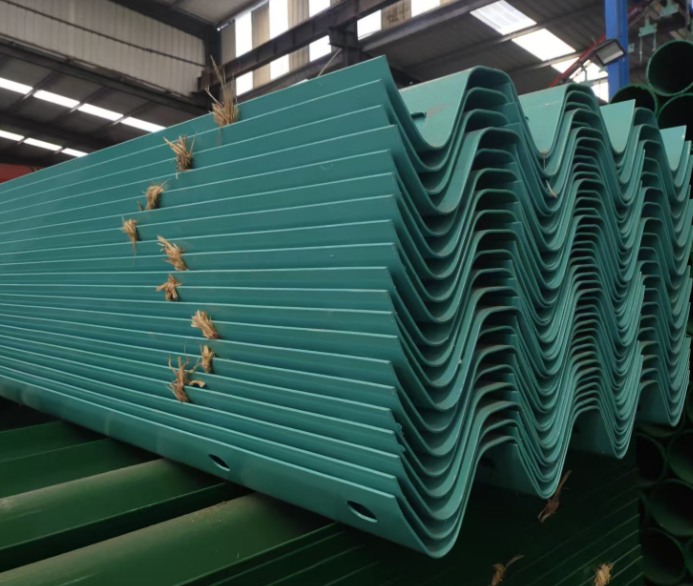
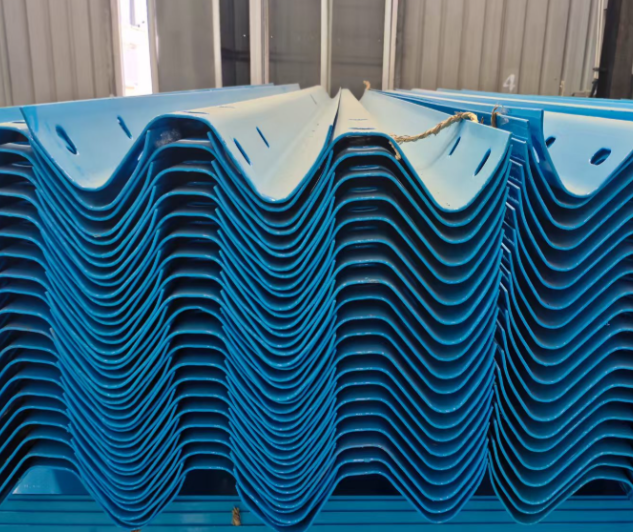


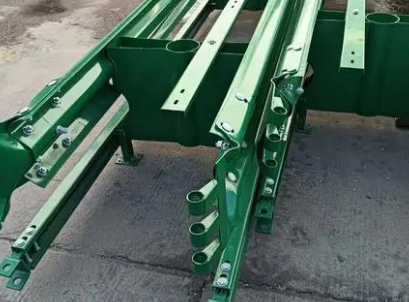
The recyclable aluminum alloy material is the core environmental advantage, as it can be melted and reused without losing material properties, reducing carbon emissions by 70% compared to steel guardrails. Its lightweight design allows installation without heavy machinery, reducing construction noise and soil disturbance, making it suitable for sensitive ecological areas. The anodizing + powder coating surface treatment passes 600-hour salt spray tests, ensuring superior corrosion resistance in coastal or salt-rich scenic areas. It also features modular assembly, with components connected by stainless steel bolts, allowing for easy disassembly and reuse, solving the pain point of eco-projects needing to balance safety and environmental protection.
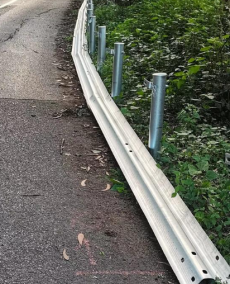
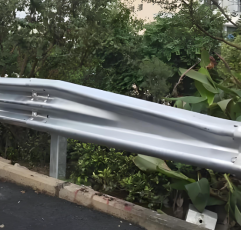
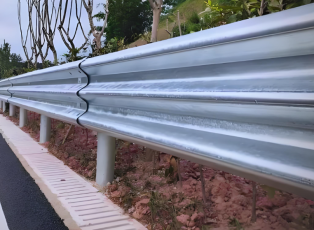
Each guardrail panel is 4320mm long, with a double-wave dimension of 310mm×85mm, and a panel thickness of 3.0mm, weighing only 12.5kg (60% lighter than steel panels of the same size). The φ120mm aluminum alloy posts are embedded 1300mm deep, or can be installed with flanges for above-ground mounting, reducing foundation construction costs. The aluminum alloy anti-blocks weigh 2.8kg each, and are connected to panels with stainless steel bolts, ensuring no rusting. The anodizing oxide film has a thickness of ≥15μm, providing a stable base for the powder coating, which has a glossiness of 20-30GU, reducing light pollution. All components meet ASTM B221 aluminum alloy standards, with a tensile strength of ≥205MPa.
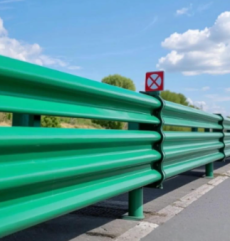
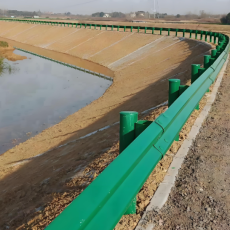
This guardrail is widely used in coastal scenic roads, national forest park roads, urban eco-greenways, wetland park surrounding roads, and high-end residential community roads. In coastal areas, its corrosion-resistant surface treatment resists salt spray damage, extending service life to 30+ years. In scenic areas, its lightweight design minimizes damage to vegetation during installation, protecting the ecological environment. It is also suitable for eco-tourism projects, as its recyclable material aligns with sustainable tourism concepts. Additionally, it can be installed in urban greenway projects, providing safety protection for cyclists and pedestrians while blending with natural landscapes. For temporary eco-construction projects, it can be easily disassembled and reused, reducing waste generation.







 Post RFQ


 Chat
Chat


 ALL CATEGORIES