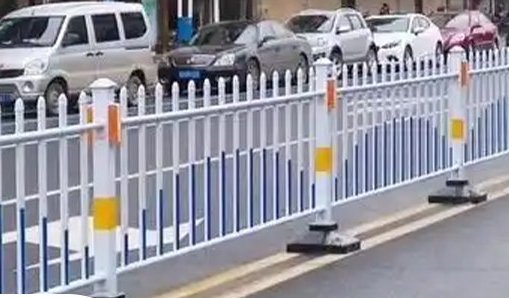
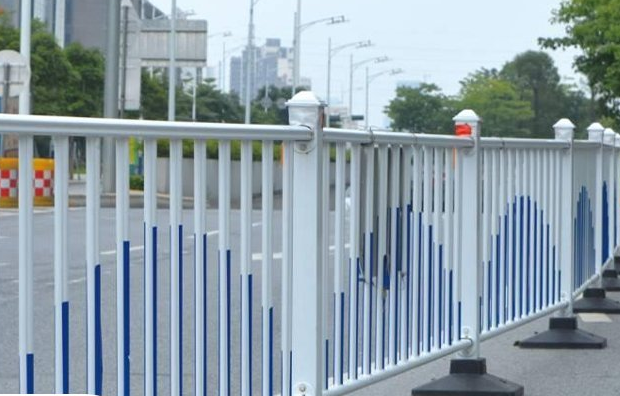


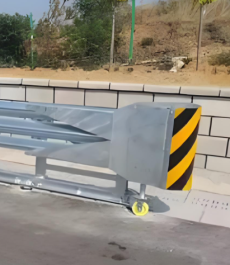
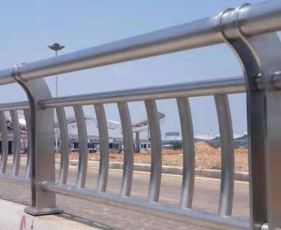
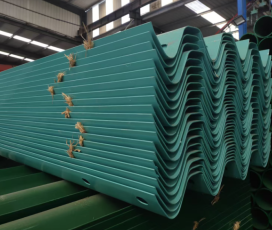
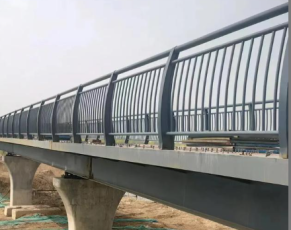
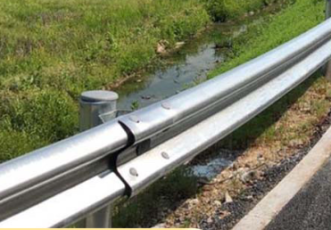
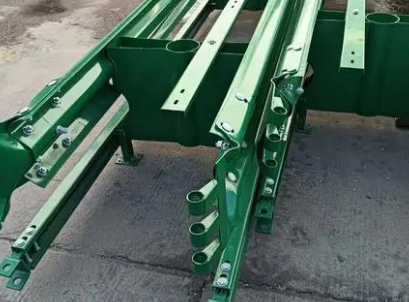
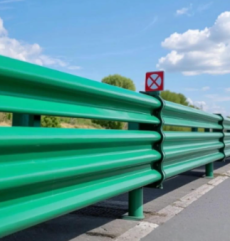
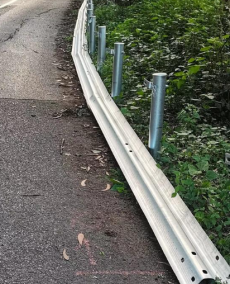
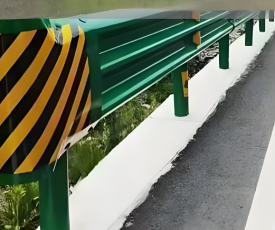
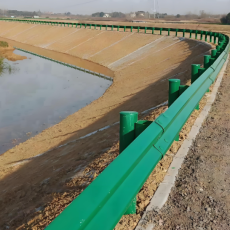
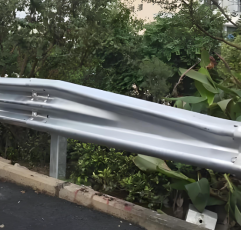
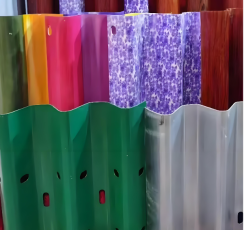
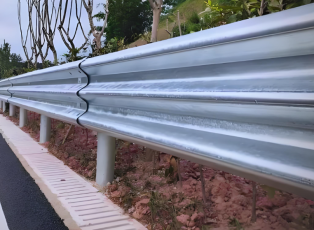
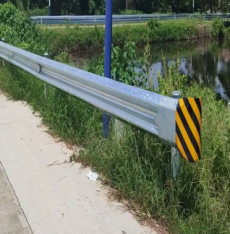
This guardrail features a square steel post design that offers a more modern, aesthetic appearance compared to round posts, making it ideal for urban landscape integration. The dual anti-corrosion treatment—hot-dip galvanizing plus polyester powder coating—effectively resists urban pollutants such as exhaust fumes, acid rain, and road salt, ensuring a service life of over 25 years. Its NCHRP Level 3 crash rating allows it to withstand collisions from 8-ton vehicles traveling at 80 km/h, making it suitable for urban arterial roads with medium-to-high traffic volume. The full-section high-intensity reflective strip covers the entire height of the panel, enhancing nighttime visibility by 70% compared to partial reflective markers, reducing the risk of rear-end collisions and lane-changing accidents. The modular bolted connection system allows for quick replacement of damaged panels, minimizing urban road closure time and traffic disruption. Additionally, it can be customized in colors such as traffic green, gray, or white to match urban landscape themes.
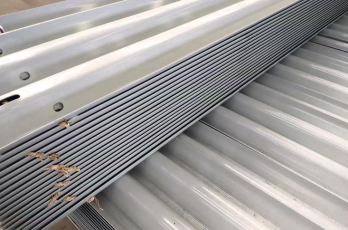
Each linear meter weighs approximately 58 kg, with a W-shaped panel measuring 310mm in width, 85mm in wave height, and 3.5mm in thickness. The supporting square steel posts are 127mm*127mm in size and 4.0mm thick, spaced 2000mm apart to ensure stable impact resistance. The hot-dip galvanizing layer has a minimum thickness of 75μm, meeting ASTM A123 standards, while the top polyester powder coating has a thickness of 60μm, providing a smooth, fade-resistant finish. The full-section high-intensity reflective strip is 200mm wide, covering the entire height of the panel, and complies with ASTM D4956 Class 1 standards for maximum nighttime visibility. The connection system uses 10.9-grade high-strength bolts with adjustable brackets, allowing for easy angle adjustment to fit urban curves and intersections. The guardrail has a wind resistance rating of ≥12, making it suitable for high-rise urban areas with strong gusts. It can be installed with flange-mounted posts to avoid damaging underground urban utilities.
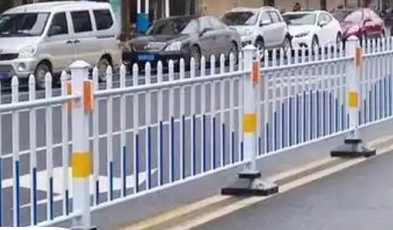
This municipal guardrail is widely used in urban arterial roads, secondary roads, bus lanes, and pedestrian-heavy areas such as school zones, hospital access roads, and commercial districts. It is installed to separate motorized vehicle lanes from non-motorized lanes and sidewalks, protecting pedestrians and cyclists from vehicle collisions. Urban planners also use it to guide traffic at intersections, roundabouts, and on/off ramps, reducing the risk of wrong-way driving and lane-changing accidents. In city centers, it can be customized with colorful coatings to match urban landscape designs, serving both safety and aesthetic purposes. It is also used to protect urban green spaces, public parks, and historical buildings from vehicle damage, ensuring the preservation of urban cultural assets. Additionally, it serves as a temporary barrier during urban events such as parades, marathons, and festivals, guiding pedestrian and vehicle traffic flow safely.







 Post RFQ


 Chat
Chat


 ALL CATEGORIES