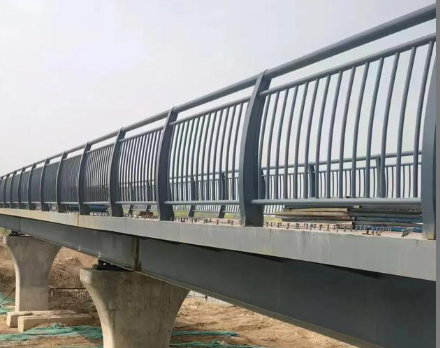
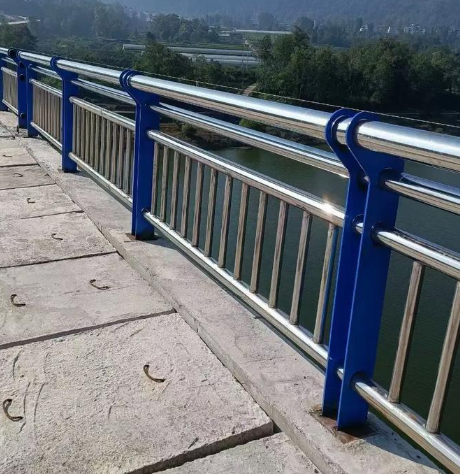


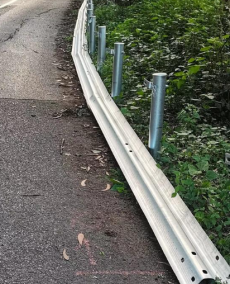
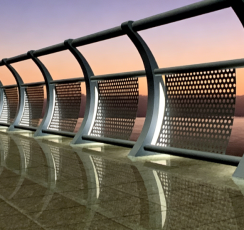
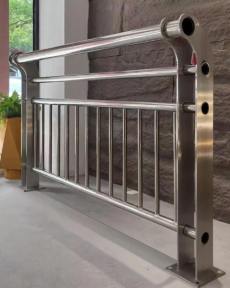
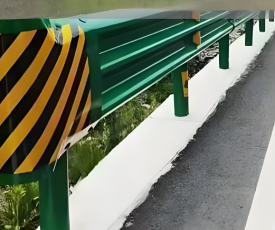
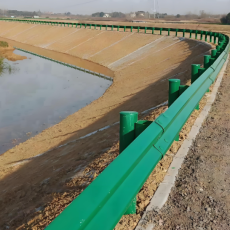
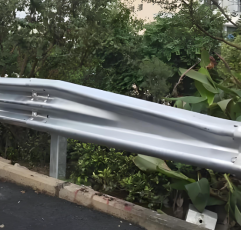
This guardrail combines crash barrier performance with anti-fall safety, featuring an integrated 1200mm high steel mesh anti-fall net that complies with ASTM F2291 standards, preventing objects up to 100mm in diameter from falling. The Q345 low-alloy steel construction offers higher impact resistance than Q235 steel, meeting NCHRP 350 Level 2 crash test requirements to withstand 80km/h vehicle collisions without structural failure. The dual-layer corrosion protection system includes hot-dip galvanization (75μm zinc layer) for rust prevention and epoxy powder coating for enhanced resistance to de-icing salt corrosion, a critical feature for bridge decks in cold regions. Flange-mounted columns are fixed to pre-cast concrete bridge piers, ensuring stability against bridge vibration and wind loads. The mesh net is removable for easy cleaning and maintenance, while modular panel design allows quick replacement of damaged components after collisions.
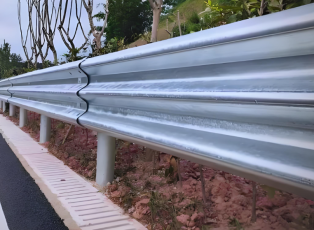
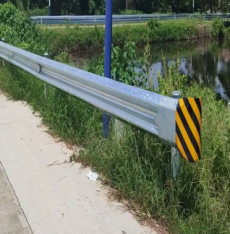
The guardrail includes a W-beam panel (4000mm length × 310mm width × 85mm wave height × 2.75mm thickness) and a 1200mm high anti-fall net with 50mm×50mm mesh opening. Columns are 160mm diameter, 5.0mm thick round steel pipes, 2200mm in length, spaced 2000mm apart. The hot-dip galvanization layer complies with ASTM A123 standards (75μm zinc coverage), and the epoxy powder coating is 70μm thick, meeting ASTM D3359 adhesion standards. Each meter of guardrail weighs approximately 52kg, with an operating temperature range of -35℃ to 55℃. It uses M16 high-tensile bolts for all connections, with anti-loosening washers to maintain tightness under bridge vibration. The guardrail can absorb up to 100kJ of impact energy, and the anti-fall net has a vertical load capacity of 500kg, ensuring it resists heavy debris impacts.
This product is dedicated to bridge decks, highway overpasses, urban viaducts, pedestrian-over-vehicle bridges, and railway overpasses. Target industries include bridge construction, municipal engineering, and railway infrastructure. Typical use cases include installing on urban viaducts to prevent construction debris or vehicle cargo from falling onto ground-level roads, deploying on highway bridges in cold regions to resist de-icing salt corrosion and protect against 80km/h vehicle collisions, and setting up on pedestrian-over-vehicle bridges to prevent accidental falls of pedestrians or personal belongings. It is also suitable for coastal bridge projects, where its dual-layer corrosion protection resists salt spray and high humidity.
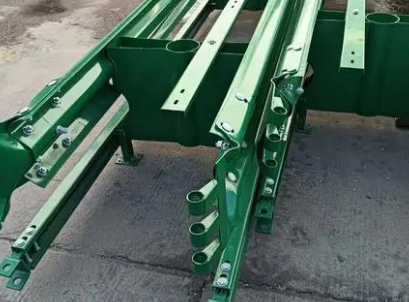


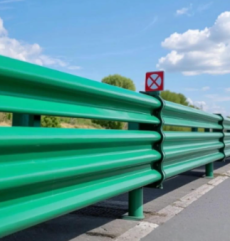






 Post RFQ


 Chat
Chat


 ALL CATEGORIES