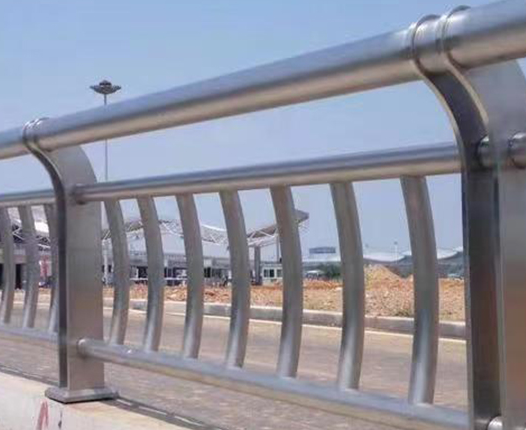
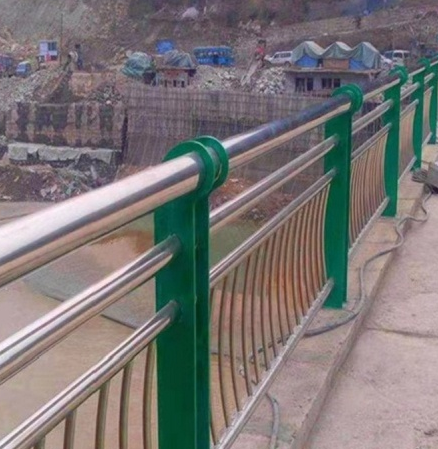


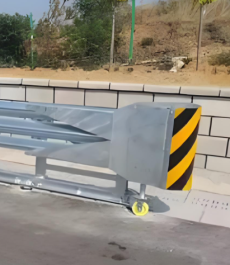
The core competitiveness of this guardrail lies in its exceptional corrosion resistance and long lifespan. 2205 duplex stainless steel combines the high strength of ferritic steel and the excellent corrosion resistance of austenitic steel, eliminating the need for galvanized or powder coating, thus avoiding coating peeling and subsequent corrosion. The 3.2mm thick structure provides superior impact resistance, capable of absorbing the kinetic energy of heavy vehicles in coastal high-wind conditions without structural failure. Stainless steel bolt connections prevent corrosion-induced loosening and fracture, ensuring long-term structural stability. Unlike ordinary guardrails that need replacement every 1-2 years in coastal areas, this product can operate stably for over 10 years, solving the problem of high maintenance costs caused by rapid corrosion. Additionally, it supports custom end terminals and posts made of the same duplex steel material, ensuring the entire system's corrosion resistance.
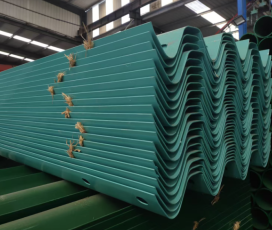
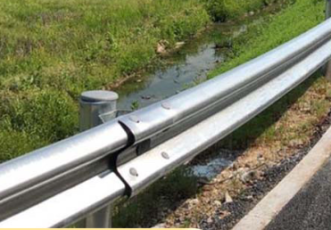
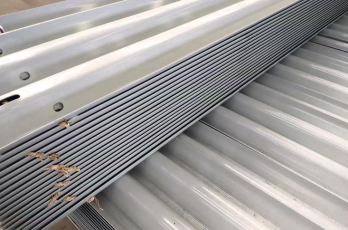
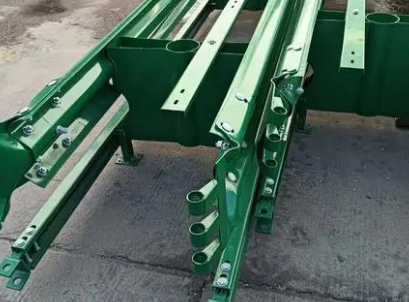
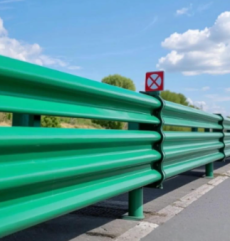
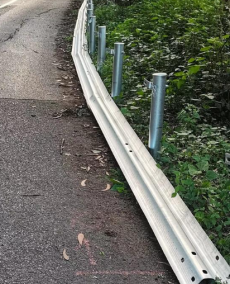
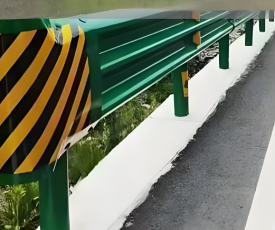
This guardrail adopts strict technical specifications for coastal high-corrosion environments. The main body is made of 2205 duplex stainless steel with a 3.2mm thickness, delivering a tensile strength of ≥760MPa and yield strength of ≥450MPa. The heavy-duty W-beam wave measures 310mm in width and 60mm in height, optimized to disperse impact force in heavy collisions. It passes the ASTM B117 1000-hour salt spray test, with no red rust or corrosion spots observed after testing. Each section has a standard length of 4000mm and a height of 830mm, which is higher than ordinary guardrails to prevent vehicles from being blown off the road by strong coastal winds. The stainless steel bolts use M18 high-strength duplex steel, with a torque requirement of 500N·m. The guardrail weighs 72kg per meter, and the recommended post spacing is 1800mm, with posts made of 160mm diameter duplex steel pipes. It passes the ISO 9227 corrosion resistance test and NCHRP 350 crash test, with deformation ≤120mm after a 12-ton vehicle collision at 100km/h.
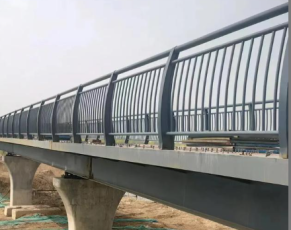
This guardrail is primarily applied to coastal highways, port access roads, island ring roads, coastal tourist roads, and coastal industrial zone roads. It is especially suitable for roads near the sea where salt fog concentration is high, such as coastal cliffs, bay sections, and bridge approaches, where ordinary guardrails corrode rapidly. In port areas, it protects vehicles and cargo from falling into the sea, ensuring the safety of port logistics operations. On island roads, its long lifespan reduces the frequency of replacement, which is critical for remote islands with limited maintenance resources. It can also be used in coastal military bases and marine parks, where corrosion resistance and durability are essential for long-term operation. Its ability to withstand strong winds and salt spray makes it a reliable solution for all coastal traffic safety scenarios.


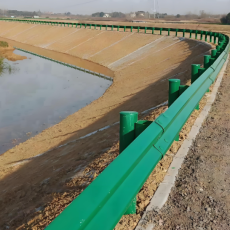
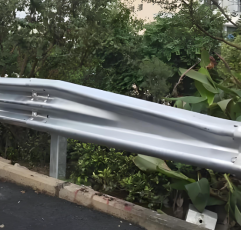

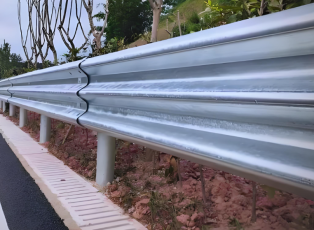
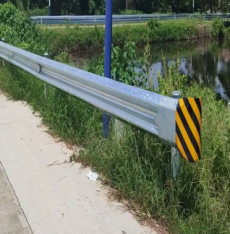





 Post RFQ


 Chat
Chat


 ALL CATEGORIES