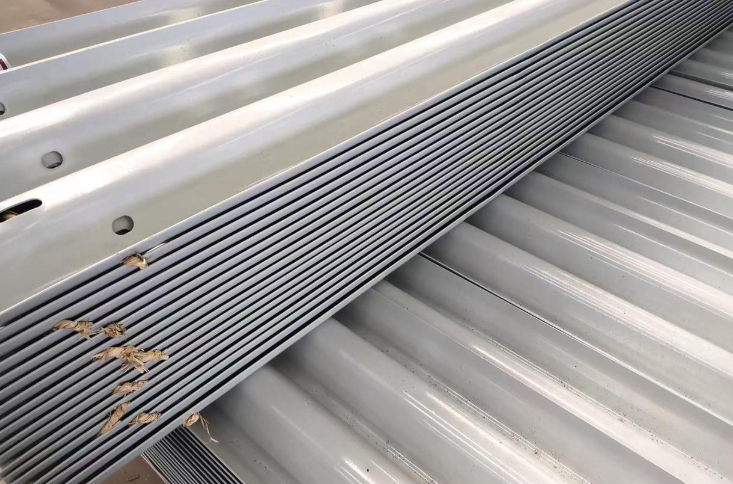
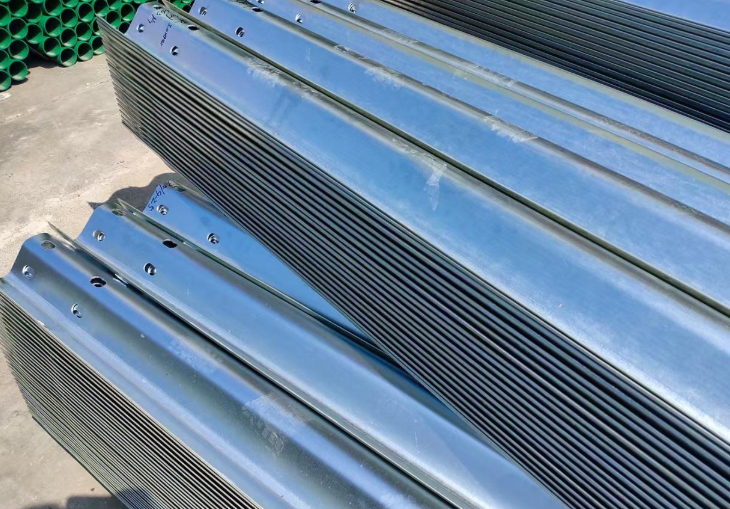


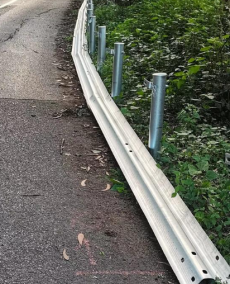
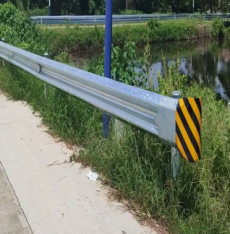
This guardrail’s core advantage lies in its high cost-performance ratio, using Q235 low-carbon steel that meets national mechanical strength standards to withstand impact from small vehicles without excessive investment. The electro-galvanized surface treatment provides basic corrosion resistance suitable for rural environments with moderate humidity and less industrial pollution, avoiding rust-related performance degradation within its designed service life. Unlike welded guardrails, its bolted connection system allows for quick on-site assembly without specialized welding equipment, cutting down installation time by 30% compared to traditional models. The 4-meter post spacing optimizes material usage for long-distance rural road layouts, reducing overall project costs. Additionally, it is fully recyclable, supporting rural circular economy initiatives and solving the pain point of high maintenance costs for remote road facilities. Its lightweight design also facilitates transportation to mountainous villages with narrow access roads.
The guardrail panel measures 310mm in width with a 55mm deep corrugated structure, ensuring structural stability against lateral impact. The panel thickness is 2.5mm, providing sufficient bending strength without unnecessary weight. The supporting round pipe posts have a diameter of 114mm and a wall thickness of 3.0mm, with a total height of 1200mm (810mm above ground, 390mm buried underground) to maintain stability in soft rural soil. Each unit (including one panel and two posts) weighs approximately 65kg, making it easy to handle manually during installation. The electro-galvanized layer adheres to GB/T 13912 standards, with a minimum zinc content of 350g/㎡ to ensure corrosion resistance. The connection bolts are M16 high-strength carbon steel bolts with anti-loosening nuts, preventing bolt loosening caused by long-term vehicle vibration. The product can operate stably in temperatures ranging from -40℃ to 60℃, adapting to extreme weather conditions in northern and southern rural regions. Its anti-bending strength reaches ≥200MPa, meeting Grade B impact resistance requirements specified in JT/T 281-2007 standards.
This guardrail is primarily applicable to rural tertiary roads, village access roads, and agricultural production roads with daily traffic volumes below 500 vehicles. It is ideal for remote mountainous villages where large construction machinery cannot access, as its lightweight components can be transported via small trucks or even manual carrying. Typical application scenarios include road sections adjacent to farmlands, ditches, small hills, or residential areas, preventing vehicles from intruding into private properties or natural landscapes. It is also suitable for rural tourist trails that allow low-speed passenger car access, protecting tourists and local residents. In addition, it can be used as temporary safety barriers for rural road maintenance projects, providing temporary protection during construction. For areas with frequent livestock crossings, it can also block stray animals from entering the road, reducing animal-vehicle collision accidents. This product fully meets the safety upgrade needs of rural infrastructure under limited budget constraints, promoting the construction of safe and livable rural areas.



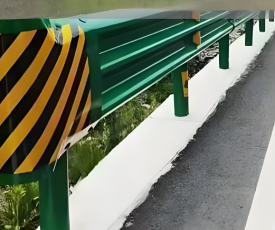
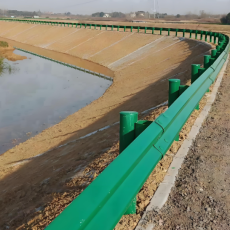
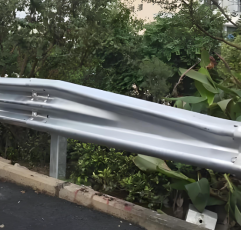

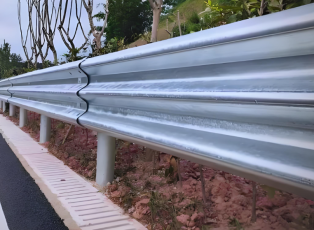





 Post RFQ


 Chat
Chat


 ALL CATEGORIES