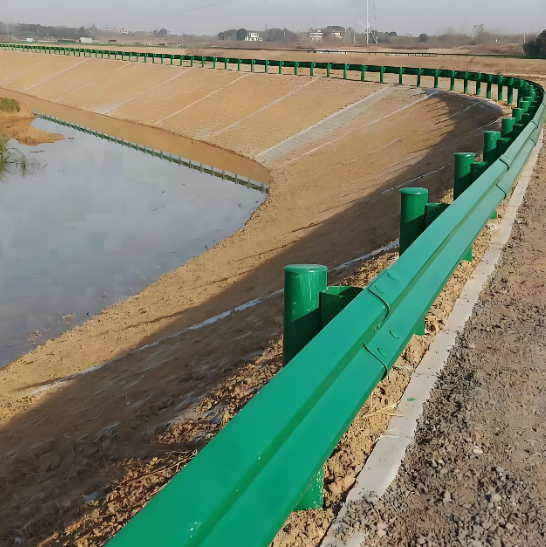
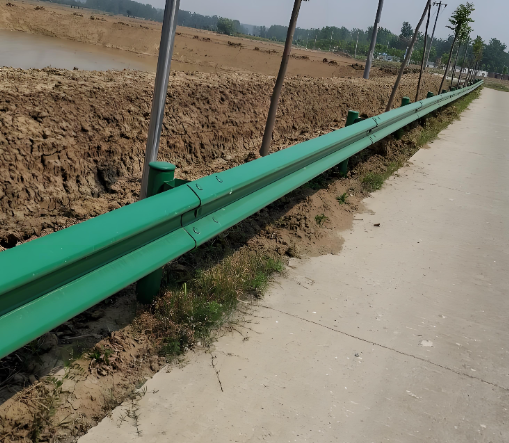


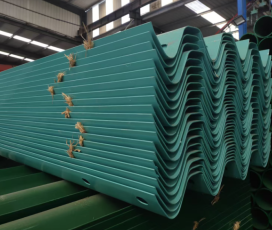
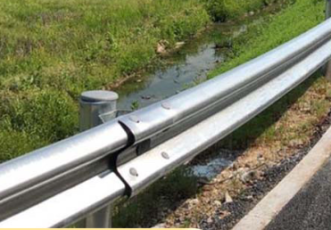
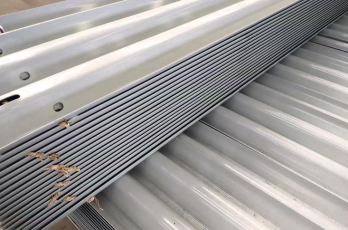
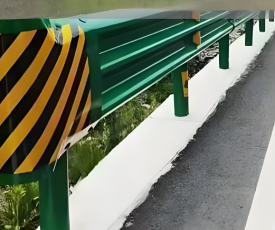
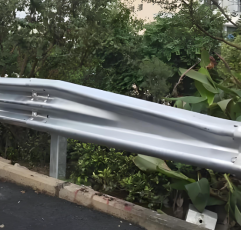
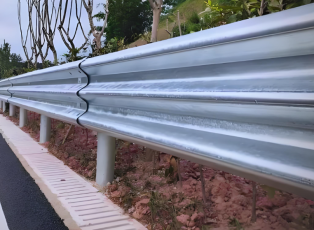
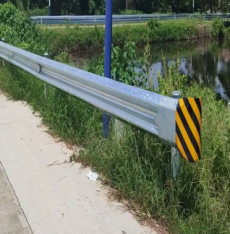
The key feature of this guardrail is its exceptional salt corrosion resistance. The zinc-aluminum alloy coating (95% zinc, 5% aluminum) forms a dense, self-healing protective layer that prevents saltwater and moisture from reaching the underlying steel substrate, even in continuous salt spray environments. It has passed ASTM B117 1000-hour salt spray tests without red rust formation, ensuring a 25-year corrosion-free lifespan. The use of 304 stainless steel bolts and nuts eliminates the risk of hardware rust and seizure, making maintenance and panel replacement quick and easy. The 2.75mm thick steel panel provides sufficient impact resistance for coastal road speeds, while the standard W-shaped wave design ensures effective energy absorption during collisions. Additionally, its lightweight yet durable construction allows for easy installation in coastal areas with soft soil or sand terrain.
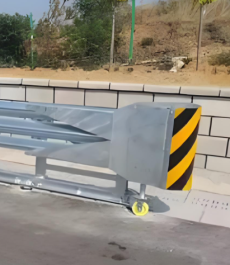
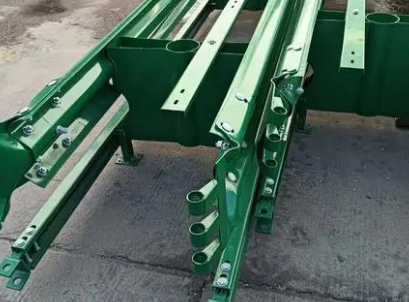
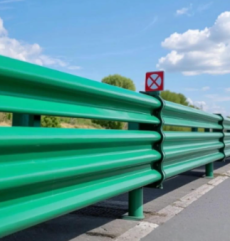
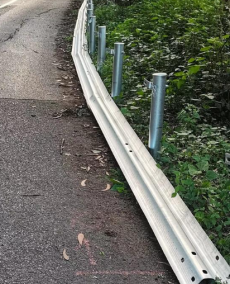
This coastal guardrail meets ISO 1461 corrosion protection standards. The main panel is 4000mm long, 810mm high, and 2.75mm thick, with a single W-shaped wave profile (85mm depth, 310mm pitch). Supporting posts are 114mm diameter, 5.0mm thick steel pipes, with a buried depth of 1300mm and exposed height of 760mm, reinforced with concrete backfill for stability in soft coastal soil. The zinc-aluminum alloy coating has a adhesion strength of ≥70 N/cm, ensuring it remains intact during transportation and installation. Connection hardware includes M16 304 stainless steel bolts and nuts, with a torque requirement of 50-60 N·m. The total weight per meter is approximately 24kg, making it easy to transport to remote coastal locations. It is compatible with coastal-specific end terminals and corrosion-resistant transition sections.
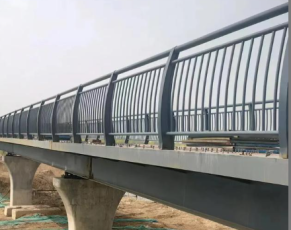
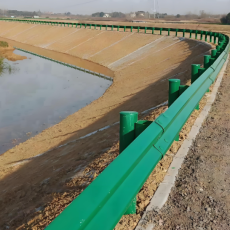
This corrosion-resistant corrugated guardrail is designed for coastal road networks, including seaside highways, coastal urban roads, and offshore island access roads. It is also essential for port areas, container yards, and ship loading docks, where salt spray and heavy truck traffic are common. Coastal resort areas use it to protect tourist roads and beach access paths, ensuring safety while maintaining aesthetic appeal. Additionally, it can be installed in coastal industrial zones and power plant access roads, where salt corrosion poses a significant risk to infrastructure. Its long lifespan and minimal maintenance requirements reduce long-term operational costs for coastal transportation authorities, making it a cost-effective solution for salt-laden environments.







 Post RFQ


 Chat
Chat


 ALL CATEGORIES