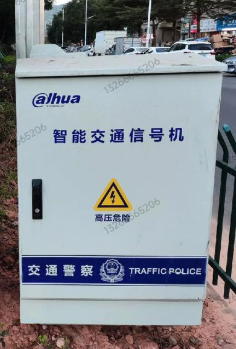
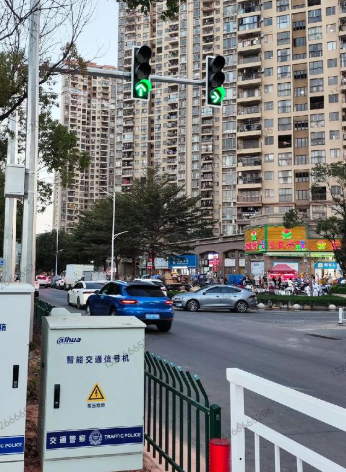




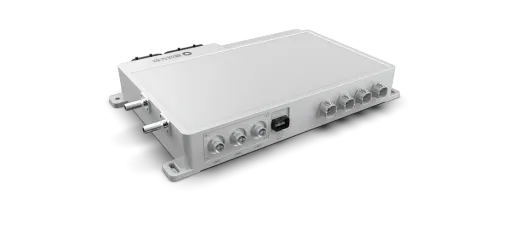
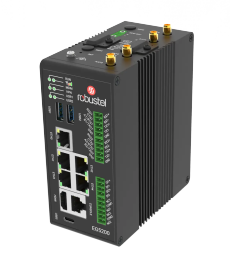
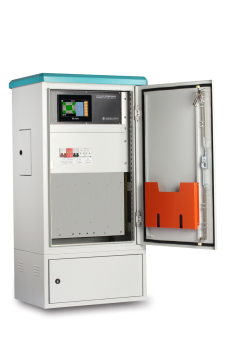
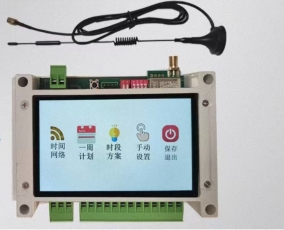
The key feature of this signal controller is its dual-mode energy-saving design: during peak hours, it operates in timing mode to provide stable traffic guidance, while during off-peak hours (typically 22:00 to 6:00), it automatically switches to induction mode, activating green lights only when vehicles or pedestrians are detected, and entering low-power sleep mode when no traffic is present for 10 consecutive minutes. This design reduces energy consumption by up to 70% compared to traditional fixed-timing signal machines. The eco-friendly ABS and galvanized steel housing is lightweight and corrosion-resistant, suitable for installation in community and park environments with greenery and humid conditions. The LoRaWAN communication module supports remote parameter adjustment and fault monitoring, allowing property management or park administrators to update timing plans without on-site visits. The device also supports pedestrian call buttons, ensuring safe crossing for residents and students.
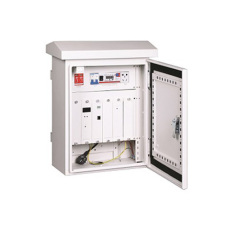
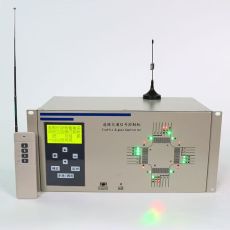
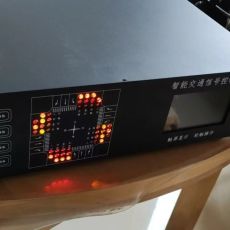
The energy-saving traffic signal controller has a housing dimension of 700mm (height) × 500mm (width) × 250mm (depth), with a net weight of 28kg. It supports up to 6 phases, including straight, left-turn, and pedestrian crossing phases. The low-power sleep mode consumes only 5W of power, compared to 50W in normal operation mode. The optional 100W solar supplementary power system can provide full-day operation in areas with sufficient sunlight, further reducing reliance on municipal power. The LED dot matrix screen clearly displays phase status and energy-saving mode indicators, with a visibility range of up to 300 meters in daylight. The operating temperature range is -15℃ to 55℃, suitable for most residential and industrial park environments in temperate regions. The device is equipped with overload and short-circuit protection functions, ensuring safe and stable operation.
This product is widely applied in residential community entrances and internal intersections, providing safe traffic guidance for residents' commuting and school bus operations while saving energy during night hours. In industrial parks, it is installed at factory entrances, logistics loading areas, and internal road intersections, coordinating the flow of employee commuting vehicles and logistics trucks. For university and high school campuses, it is set up at main entrances, student dormitory areas, and stadium surrounding roads, prioritizing pedestrian safety during class changes and after-school hours. It is also suitable for scenic area internal roads, managing tourist vehicle and pedestrian traffic while reducing energy consumption during off-peak tourist seasons. The LoRaWAN remote management function allows property or facility managers to adjust timing plans for special events, such as community festivals or factory shift changes, without on-site operation.







 Post RFQ


 Chat
Chat


 ALL CATEGORIES