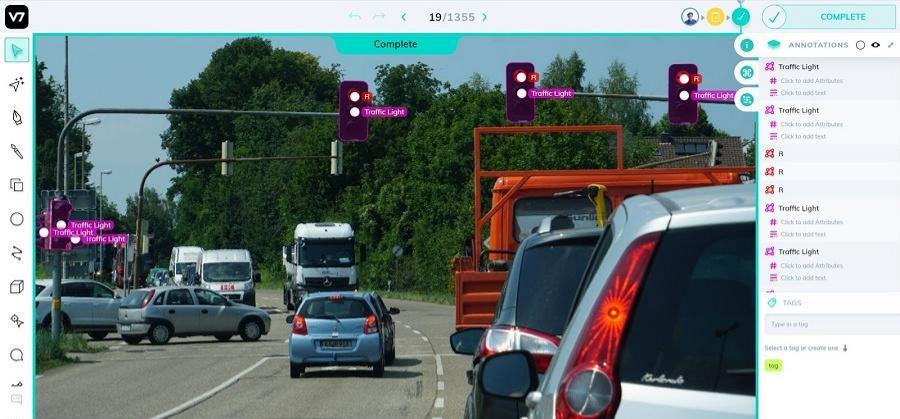
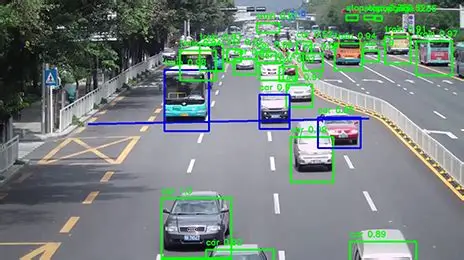


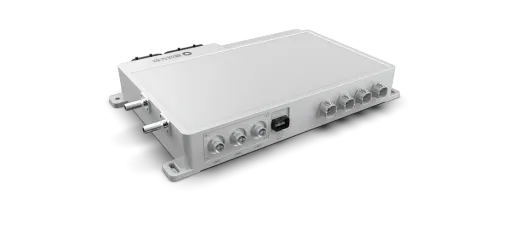
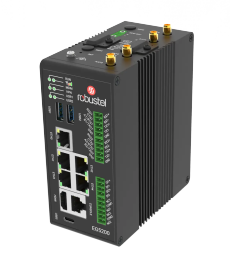
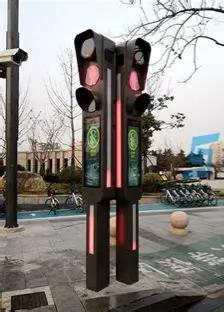
The core advantage of this traffic signal lies in its AI-powered adaptive algorithm, which can process up to 10,000 vehicle data points per minute to identify traffic patterns, including tidal flow and peak-hour surges. Equipped with V2X communication modules, it can exchange data with connected vehicles, alerting drivers to upcoming signal changes and reducing rear-end collisions. The high-efficiency SMD3030 LED chips ensure ultra-bright visibility even in direct sunlight, while the IP67 protection rating makes it resistant to rain, dust, and extreme temperatures. Unlike conventional signals, it supports remote firmware updates and diagnostic monitoring, eliminating the need for on-site maintenance visits for routine updates. Additionally, it includes a pedestrian priority mode that automatically extends green light times when sensors detect vulnerable road users, such as elderly pedestrians or people with disabilities, addressing the critical pain point of pedestrian safety in busy urban areas.
This AI-connected traffic signal features a housing constructed from 6mm thick corrosion-resistant aluminum alloy, ensuring durability against vandalism and harsh weather conditions. The LED modules use SMD3030 chips with a luminous efficacy of 180lm/W, providing a visible distance of over 1200 meters even in foggy conditions. The system operates on AC 220V ±10% power supply, with a backup lithium-ion battery that can support 48 hours of operation during power outages. The response delay between sensor data input and signal adjustment is less than 0.5 seconds, ensuring real-time adaptation to traffic changes. The overall dimensions of the signal head are 600mm (W) × 600mm (H) × 150mm (D), with a total weight of 35kg. The protection rating is IP67, and it can operate reliably in temperatures ranging from -40℃ to +70℃. It is certified to IEC 60529 for environmental protection and FCC Part 15 for wireless communication compliance. The AI algorithm supports integration with third-party traffic management software via API interfaces, enabling seamless smart city ecosystem integration.
This product is ideally suited for high-traffic urban intersections, including downtown business districts, commercial hubs, and areas with prominent tidal traffic flow, such as commuter routes between residential areas and business parks. It is also suitable for intersections near large public venues, such as stadiums, convention centers, and shopping malls, where traffic volumes fluctuate significantly based on event schedules. Municipal transportation departments can deploy this signal in smart city demonstration zones to showcase advanced traffic management capabilities. Additionally, it can be installed in areas with high pedestrian activity, such as university campuses and hospital zones, to prioritize pedestrian safety while maintaining efficient vehicle flow. For infrastructure contractors, this product offers easy installation and integration with existing traffic management systems, reducing project timelines and labor costs. It is also an ideal solution for cities looking to reduce traffic congestion-related carbon emissions and improve overall urban mobility.









 Post RFQ


 Chat
Chat


 ALL CATEGORIES