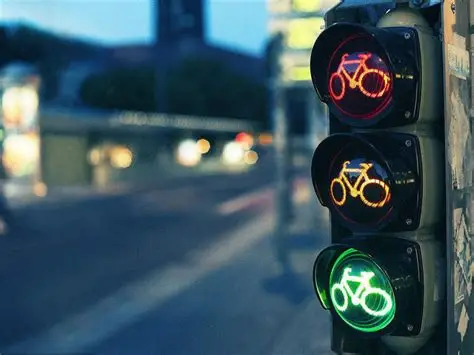


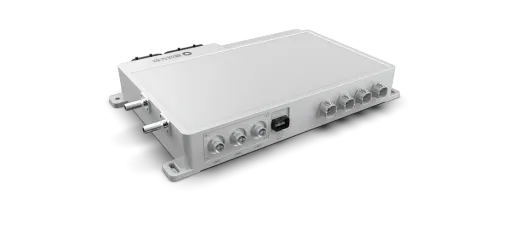
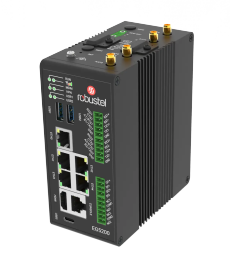
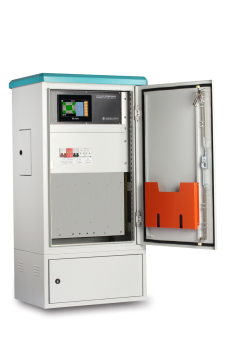
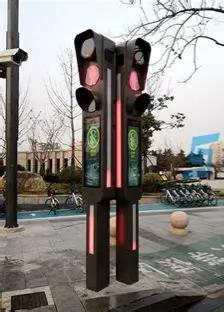
The key innovation of this signal light is its adaptive traffic regulation system, which uses edge computing to analyze real-time data from camera sensors and radar detectors, adjusting green light durations to prioritize high-volume traffic flows or pedestrian crossings. Its 5G connectivity enables remote monitoring and control from a central traffic management platform, allowing operators to quickly respond to accidents, road closures, or special events. The high-brightness COB LEDs provide uniform light distribution with a visible distance of 800 meters, ensuring clear visibility even in heavy rain or fog. The IP66 protection rating makes it resistant to water and dust, suitable for outdoor urban environments. Unlike traditional fixed-timing signals, it solves the pain points of traffic congestion, inefficient signal coordination, and lack of real-time control, while its low power consumption (12W per light head) reduces long-term operational costs. The 4-phase adjustable signal configuration supports complex intersection layouts, including dedicated left-turn or bus priority lanes.
The Smart Connected Traffic Intersection Signal Light features an aluminum alloy housing with a UV-resistant PC shade, measuring 600mm in width, 800mm in height, and 150mm in depth, weighing 12kg per set. It operates on a 110-240V AC power supply, with a total power consumption of 36W for a full 3-color set. The COB LEDs have a color temperature of 6500K for white lights and standard traffic colors (red: 620nm, yellow: 590nm, green: 525nm) with a light output of 12,000 lumens per color head. The visible distance reaches up to 800 meters, meeting national traffic signal visibility standards. The 5G module supports data transfer speeds of up to 1Gbps, ensuring real-time communication with the central management system. The product is compliant with ISO 9001 quality standards and FCC electromagnetic compatibility regulations, with a 3-year warranty. It also includes built-in backup battery power for 48 hours of operation during power outages.
This intelligent traffic signal light is widely applicable in urban core intersections with high traffic volumes, where its adaptive regulation reduces peak-hour congestion. It is ideal for suburban arterial roads connecting residential areas and commercial districts, optimizing commute times for daily travelers. In smart city projects, it integrates with other IoT devices (such as smart parking systems or public transit tracking) to create a unified transportation ecosystem. It also serves highway on-ramps and off-ramps, regulating traffic flow to prevent merging accidents. Additionally, it is suitable for university campuses, industrial parks, and shopping mall parking lot entrances, where it prioritizes pedestrian or shuttle bus traffic during peak hours. Municipal traffic departments can use it to implement dynamic traffic management strategies, such as green wave systems for main roads or event-specific signal timing for parades or sports events.








 Post RFQ


 Chat
Chat


 ALL CATEGORIES