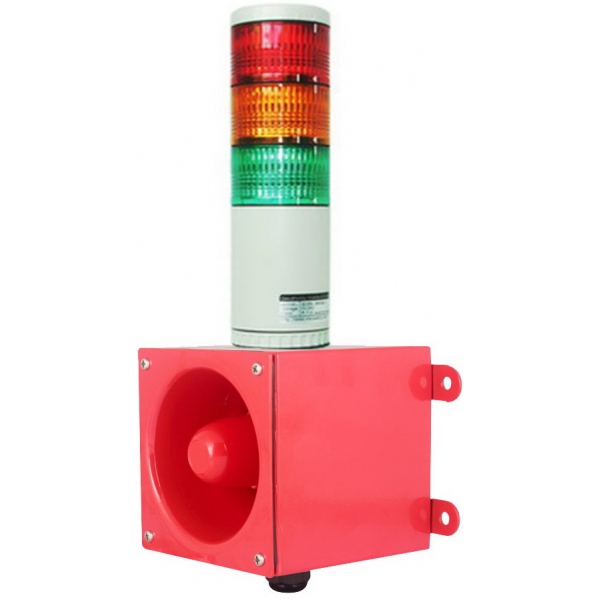
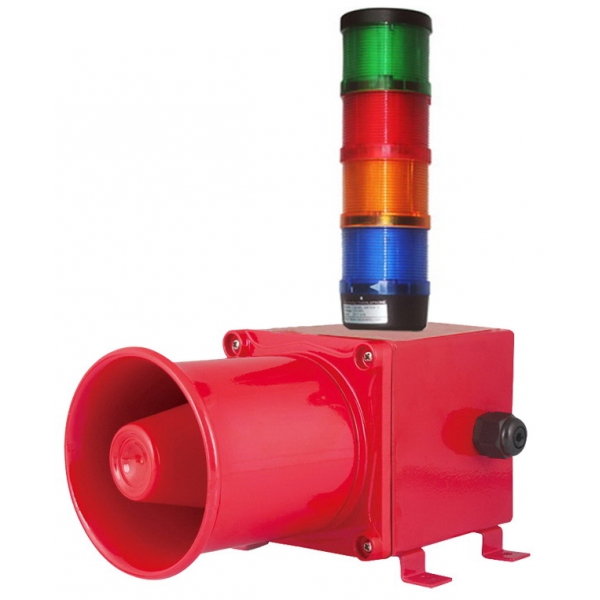


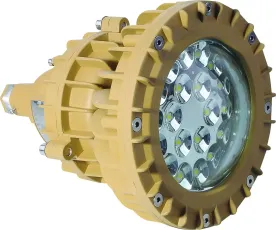
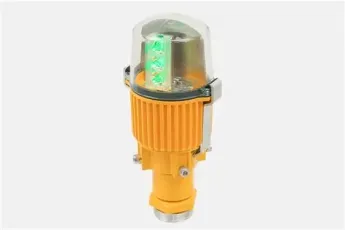
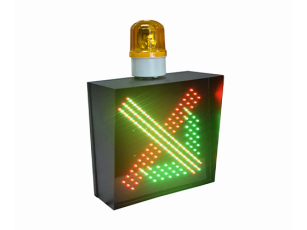
This signal light’s core advantage lies in its ATEX-certified explosion-proof enclosure, which uses a flameproof design to contain internal sparks and prevent ignition of external hazardous substances. The high-brightness SMD 2835 LEDs offer exceptional visibility even in extreme sunlight or low-light conditions, with a 100,000-hour lifespan that reduces replacement frequency by 80% compared to traditional incandescent signal lights. Its IP68 protection rating ensures full resistance to water immersion and dust infiltration, making it suitable for outdoor coastal industrial sites or underground mining operations. The flexible installation options (wall-mounted or pole-mounted) cater to diverse facility layouts, and the wide operating temperature range (-40℃ to +60℃) ensures performance in Arctic cold or desert heat. Unlike standard signal lights, it solves the critical pain points of explosion hazards, short lifespan, and poor environmental adaptability in high-risk industrial settings.
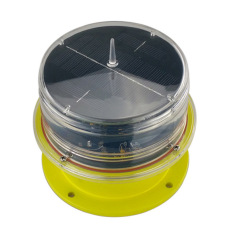
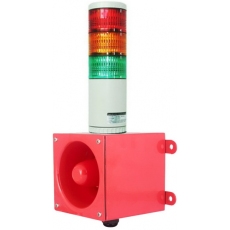
The Ex-Proof Industrial LED Signal Light has a housing crafted from high-strength cast aluminum with an anti-corrosive powder coating, measuring 180mm in diameter and 250mm in height, weighing 3.2kg. The tempered glass lens is 5mm thick, providing impact resistance while maximizing light transmission. It operates on a 12-24V DC power supply, with a power consumption of only 5W per color, significantly reducing energy costs. The visible distance reaches up to 500 meters, ensuring clear signaling across large industrial yards. The explosion-proof enclosure meets ATEX II 2G standards, with a flameproof joint gap of ≤0.2mm to prevent flame propagation. The signal lights are available in red, yellow, and green, with a fast response time of ≤10ms for instant status updates. The product comes with a 5-year warranty, and all components are RoHS and REACH compliant.
This signal light is ideally suited for hazardous industrial sectors including petrochemical refineries, where it signals pipeline pressure status or leak alerts; underground coal mines, where it indicates tunnel ventilation status or evacuation orders; offshore oil rigs, where it identifies equipment malfunctions in saltwater and high-humidity environments; and chemical processing plants, where it marks safe operating zones and emergency stop triggers. It is also widely used in grain storage facilities to alert workers of dust accumulation risks and in paint manufacturing plants to signal flammable material handling status. Safety managers can deploy it in both fixed facility locations and mobile equipment such as mining trucks or chemical tankers to ensure consistent visual communication across all operational scenarios.









 Post RFQ


 Chat
Chat


 ALL CATEGORIES