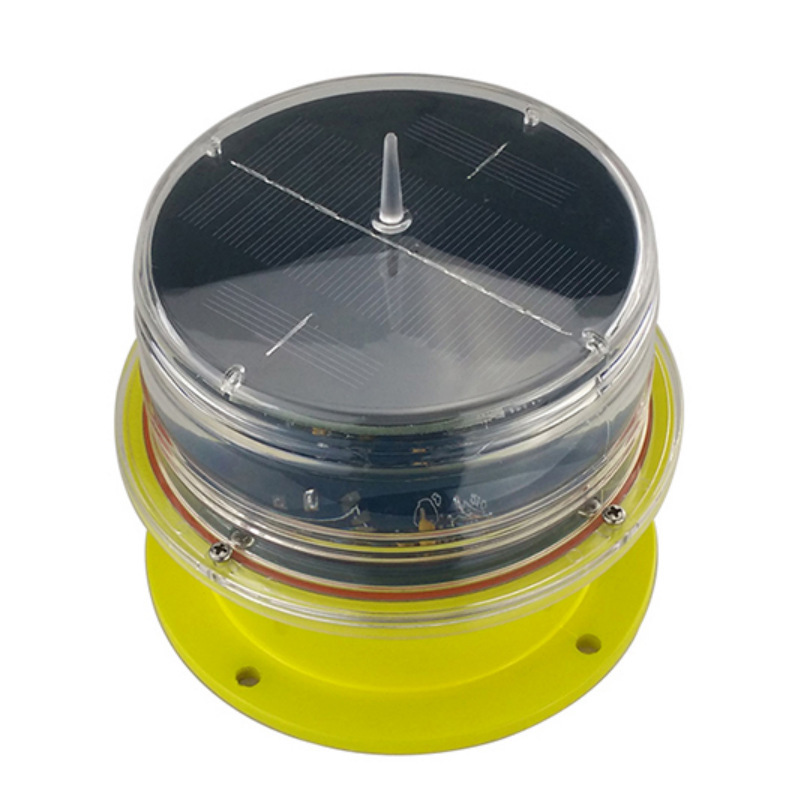
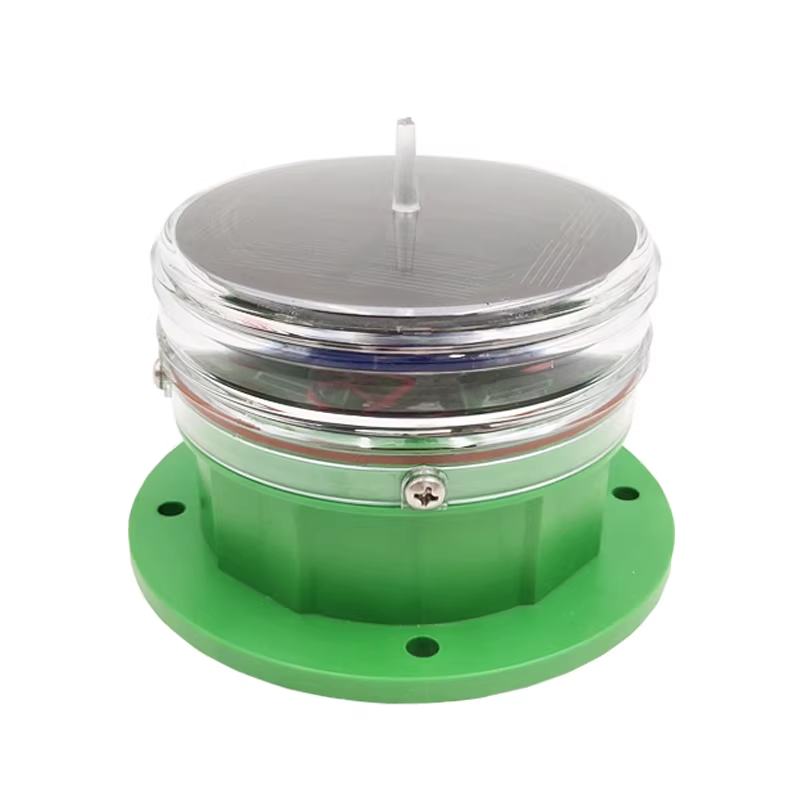


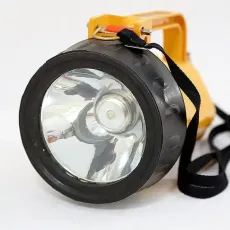
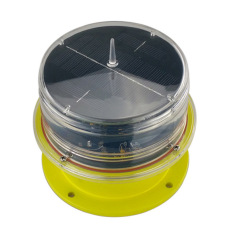
The most notable feature of this navigation signal light is its self-sustaining solar power system, which uses a 10W monocrystalline solar panel to charge a 12V 8Ah lithium battery, providing up to 100 hours of continuous operation in complete darkness. The 316L stainless steel housing and UV-resistant PC lens offer exceptional corrosion resistance, withstanding saltwater, strong winds, and extreme temperatures (-30℃ to +70℃), making it suitable for tropical or Arctic maritime environments. The marine-grade high-brightness LEDs deliver a visible distance of up to 3 nautical miles, meeting IMO MSC.215(82) standards for navigation signals. It supports both constant and flashing signal modes, with adjustable flash frequencies to comply with different vessel types (e.g., commercial ships vs. fishing boats). Unlike wired navigation lights, it solves the pain points of complex wiring installation, power supply failures in remote areas, and high maintenance costs, while its compact design (120mm diameter, 180mm height) saves deck or mast space.
The Solar-Powered Marine Navigation Signal Light features a 316L stainless steel housing with a polished finish, measuring 120mm in diameter and 180mm in height, weighing 2.1kg. The UV-resistant PC lens is 4mm thick, providing 90% light transmission while resisting yellowing from prolonged sun exposure. The 10W monocrystalline solar panel has an efficiency rating of 22%, ensuring fast charging even in low-light conditions. The 12V 8Ah lithium battery has a cycle life of 1,500 charge-discharge cycles, providing reliable power for up to 5 years. The marine-grade LEDs emit red, green, or white light (depending on navigation requirements), with a light output of 800 lumens and a visible distance of 3 nautical miles. The product is certified by IMO MSC.215(82) and meets USCG and EU maritime safety standards, with a 5-year warranty. It also includes a built-in light sensor that automatically activates the light at dusk and turns it off at dawn.
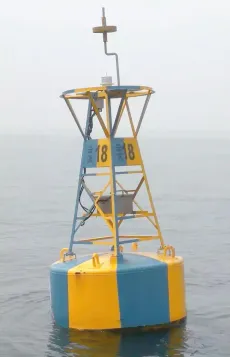
This navigation signal light is essential for commercial cargo ships and tankers, where it marks the bow, stern, or side positions to indicate vessel direction and size. It is widely used on fishing boats, helping them avoid collisions with other vessels during night fishing trips in coastal waters. Yachts and recreational boats benefit from its compact, wireless design, which eliminates the need for complex wiring installations. Maritime rescue organizations deploy it on buoys or floating platforms to mark navigation channels, shipwreck sites, or safe anchorage areas. It is also suitable for offshore oil platforms, where it marks helicopter landing zones or equipment boundaries. In polar expeditions, its wide operating temperature range (-30℃ to +70℃) ensures reliable performance in icy conditions, while its solar power system provides uninterrupted signaling without relying on fuel-powered generators.









 Post RFQ


 Chat
Chat


 ALL CATEGORIES