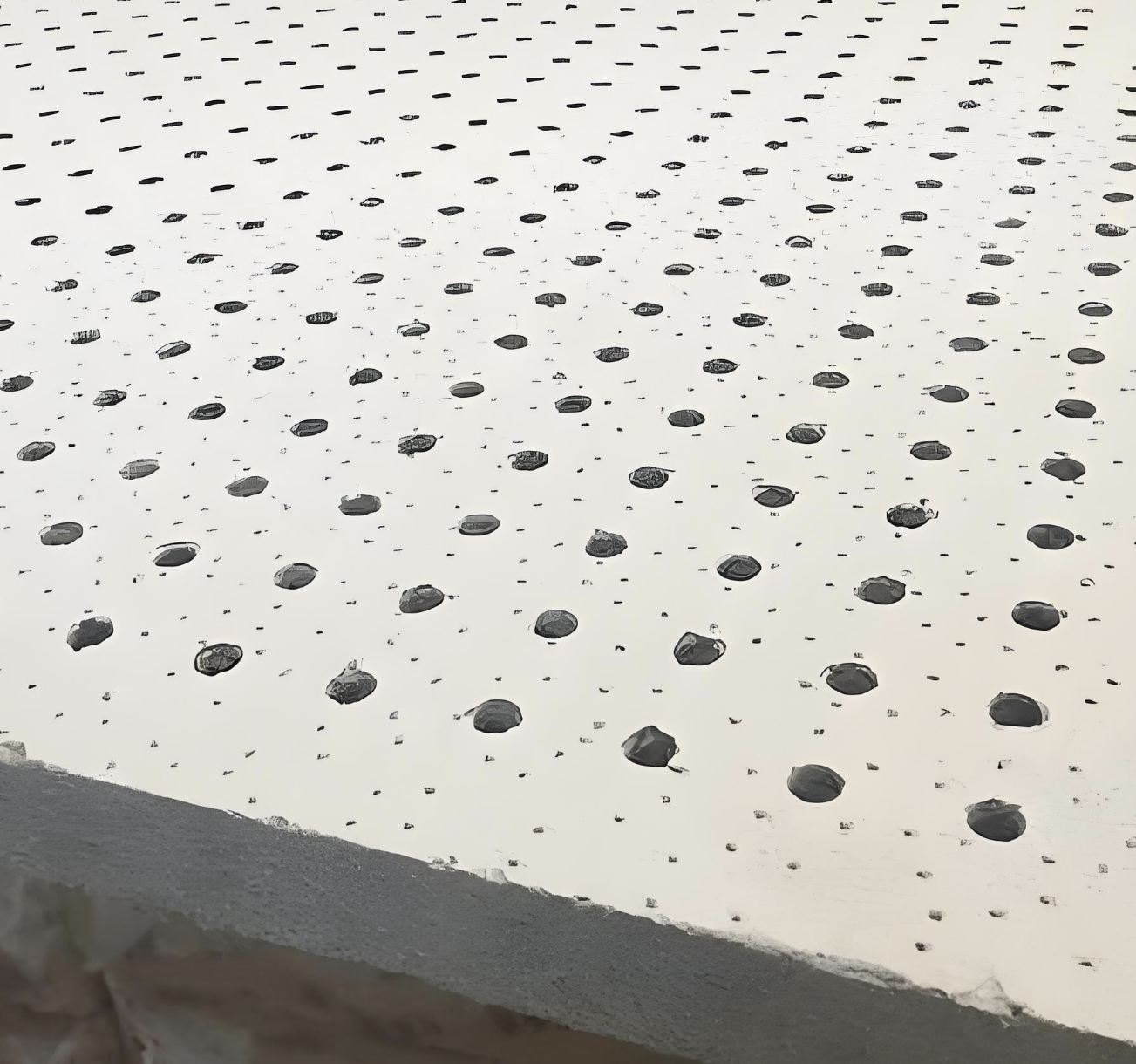
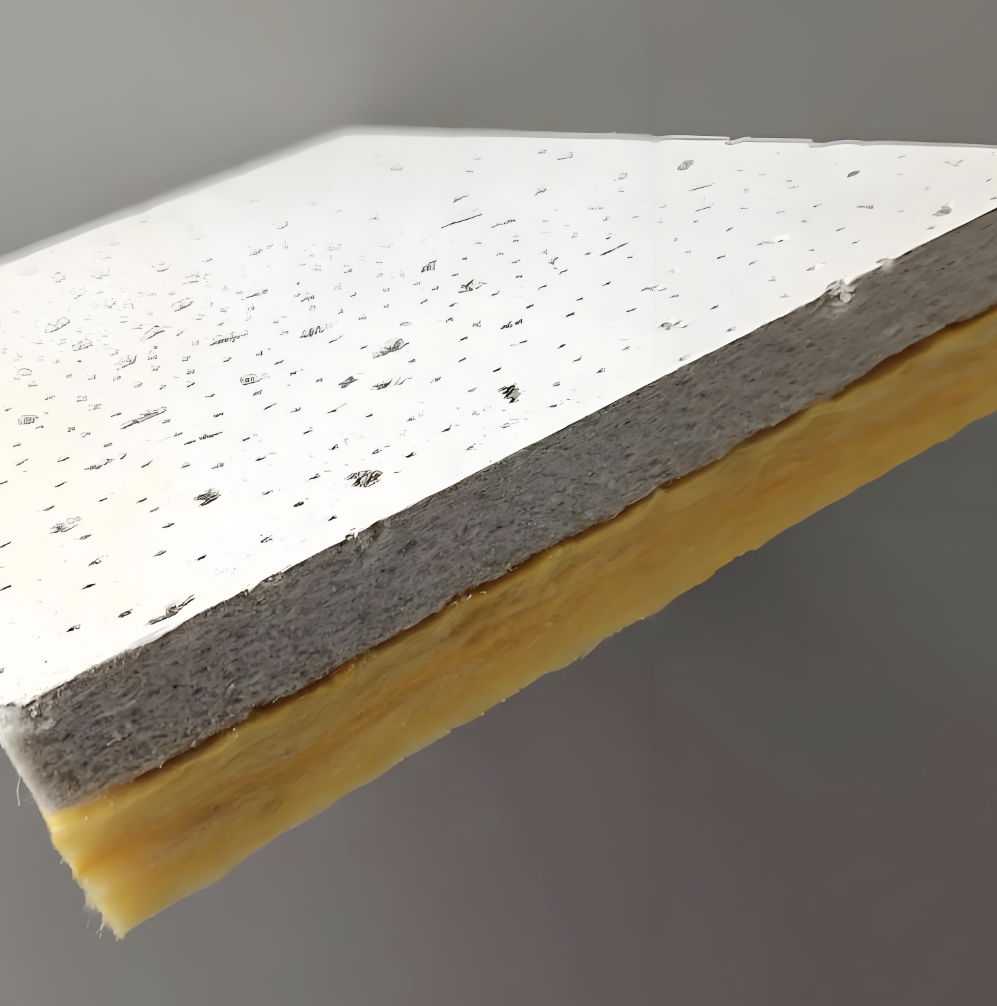





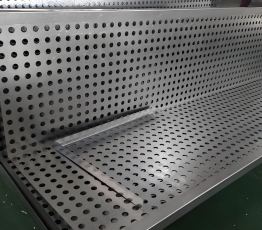
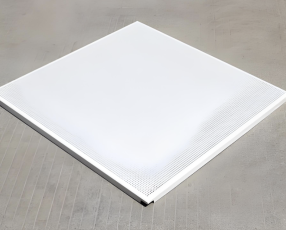
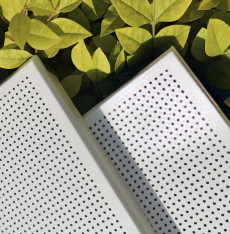

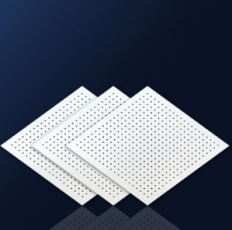
This product adopts mineral wool as the core material, which has excellent thermal insulation performance, reducing the heat transfer between indoor and outdoor, and improving the energy saving effect of the building. The perforated steel face plate has high mechanical strength and good durability, and the surface is treated with environmentally friendly powder coating, which is scratch-resistant and easy to clean. The Class A fire rating meets the strict fire safety requirements of public buildings, and the precision punching design ensures uniform sound absorption effect. It is installed via T-shaped keel, which is quick and convenient, and can be replaced individually, reducing later maintenance costs. It perfectly solves the acoustic and energy saving problems of large public building ceilings.
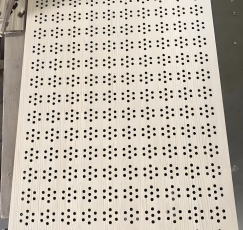
The standard sizes are 600*600mm and 1200*600mm, and custom sizes are supported. The thickness can be selected from 10mm, 12mm and 15mm. The hole diameter is optional from 3mm, 4mm and 5mm, with a pitch range of 8mm to 12mm to adapt to different acoustic needs. The acoustic absorption coefficient reaches 0.82 at 500Hz, and the sound insulation grade is 33dB, which can effectively reduce indoor echo and noise. The thermal conductivity is 0.038 W/(m·K), which has excellent thermal insulation performance, reducing the energy consumption of air conditioning and heating systems. The weight per square meter is about 6kg, and it has a moisture resistance rate of 90%, suitable for most indoor public environments. The surface has multiple color options to match different building decoration styles.
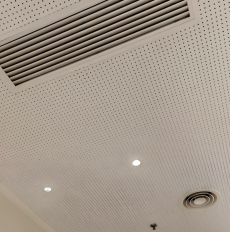
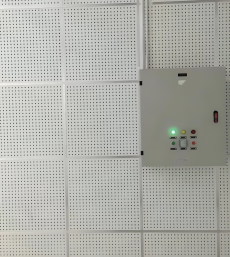
This mineral wool perforated acoustic panel is mainly suitable for suspended ceilings of shopping malls, schools, hospitals, subway stations, office buildings and other public buildings. It can also be used in industrial plant ceilings to improve the indoor acoustic environment and thermal insulation performance. By installing this panel, the indoor noise can be reduced, the acoustic environment can be improved, and the building energy consumption can be reduced at the same time, achieving a win-win situation of sound insulation and energy saving.









 Post RFQ


 Chat
Chat


 ALL CATEGORIES