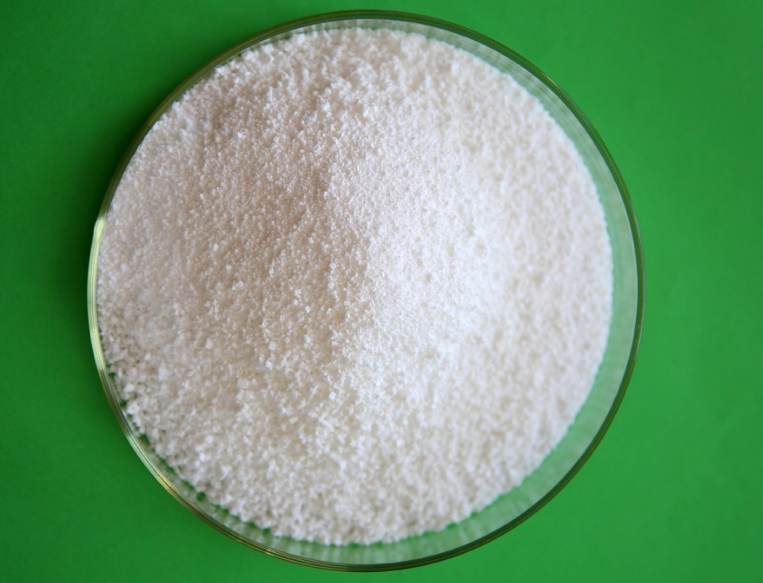




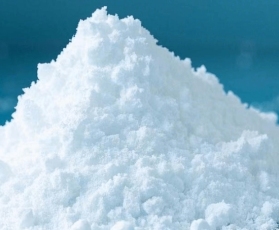
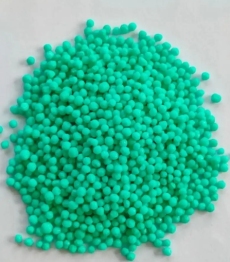
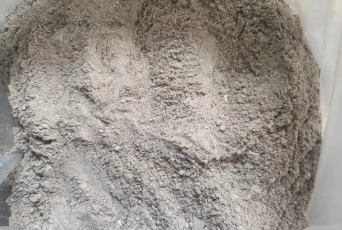

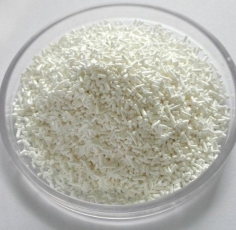
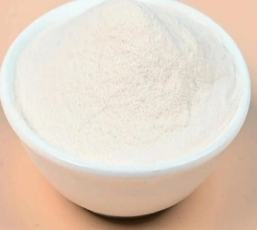
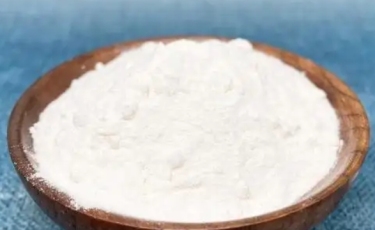
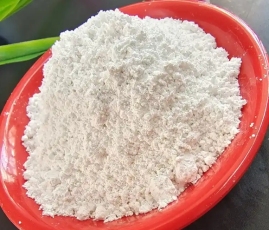
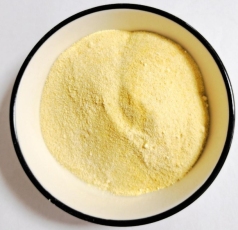
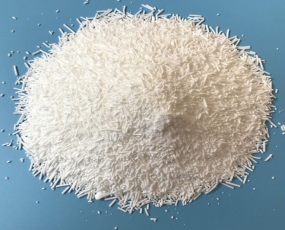
The core advantages of food grade microcrystalline cellulose lie in its highly controllable particle size and stable physical and chemical properties. Its high purity ensures that no harmful substances will be precipitated during food processing, and the neutral pH value will not affect the original taste of food. Compared with traditional anti-caking agents such as silicon dioxide, this product has better compatibility with various food systems, and will not leave a gritty feeling in the mouth. It can also be used as a binder in feed processing, expanding its application scenarios. The patented production process ensures that the product has consistent bulk density and quality, meeting the standardized production needs of large food factories.
The product specifications of food grade microcrystalline cellulose include: minimum purity of 99.5%, particle size ranging from 20 to 100μm, bulk density of 0.4-0.6 g/cm³, heavy metal content ≤10 ppm, ash content ≤0.5%, pH value of 5.0-7.0, moisture content ≤5.0%. It complies with FCC 12 grade food safety standards, and is packed in 25kg cartons with food-grade polyethylene inner bags. The product should be stored in a cool, dry place away from direct sunlight, with a shelf life of 24 months.
This product is mainly applicable to the following scenarios and industries: first, baked food such as cake premixes, bread flour and cookie powder, where it prevents caking and improves the processing performance of powdered raw materials; second, powdered seasonings and solid beverages, enhancing the flowability and solubility of products; third, dairy products such as cheese and yogurt, acting as a stabilizer to maintain the structural stability of products; fourth, pharmaceutical excipients and feed additives, expanding its application beyond the food industry. It is widely welcomed by large food factories, organic food producers and small and medium-sized food processing enterprises.



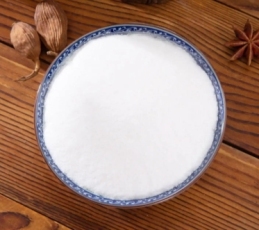
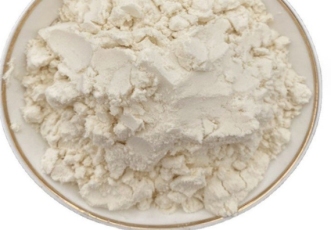






 Post RFQ


 Chat
Chat


 ALL CATEGORIES