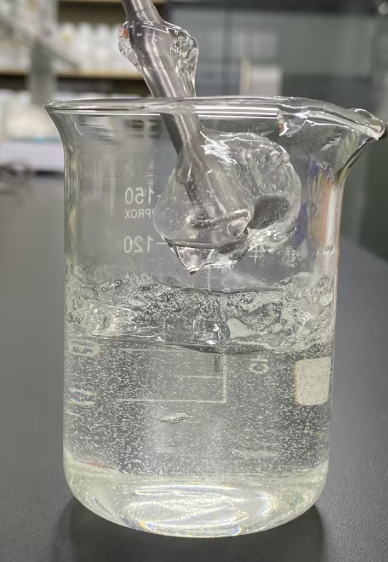
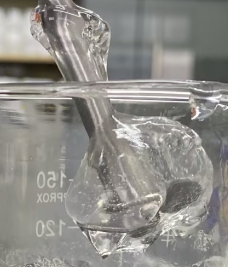




This gellan gum raw material has several unique advantages over traditional thickeners. It forms transparent, elastic gels with uniform texture, which will not affect the appearance of finished foods such as transparent beverages and jellies. It has excellent stability across a wide pH range of 2.0 to 10.0, and can maintain its thickening and gelling effects even under high-temperature processing conditions. It is vegan-friendly, as it is not derived from animal products, and complies with KOSHER and HALAL certifications, making it suitable for global religious and dietary restricted markets. It also has no obvious off-flavors, so it will not alter the taste of finished foods, solving the pain points of traditional thickeners such as opaque texture and unstable performance under different processing conditions.
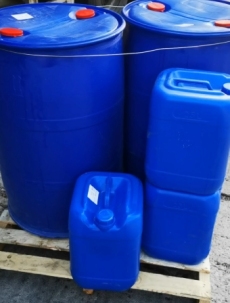
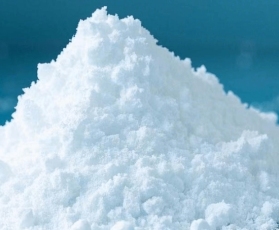
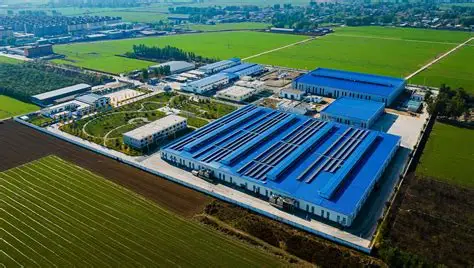
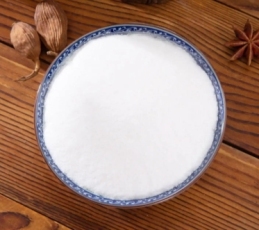
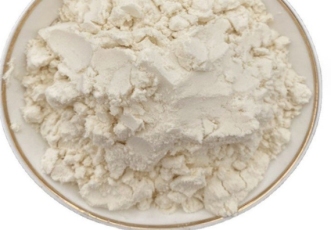
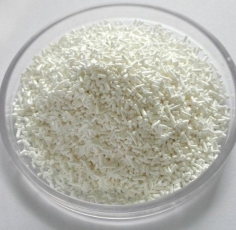
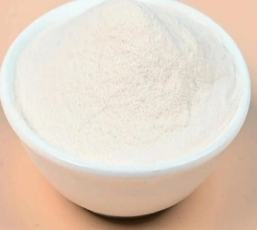
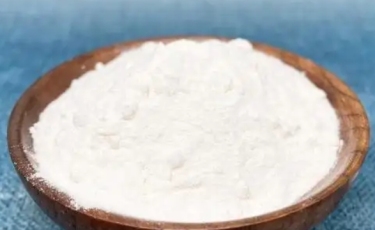
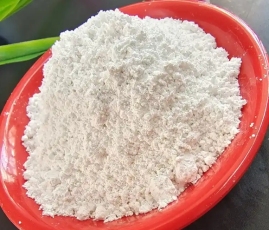
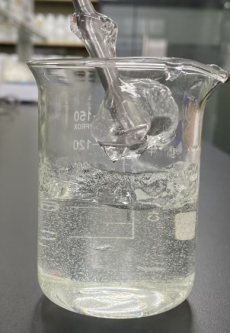
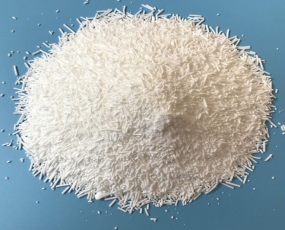
The gellan gum raw material appears as an off-white fine powder, with a gelling strength of 1000-1200 Pa and a purity of not less than 99%. The moisture content is ≤10.0%, ash content ≤1.0%, and heavy metal content ≤10ppm. The total number of colonies is ≤1000 CFU/g, and Escherichia coli is negative. The particle size ranges from 80 to 120 mesh, and the pH value of a 1% aqueous solution is between 6.0 and 7.5. It is completely soluble in hot water above 90°C and insoluble in cold water, forming a transparent elastic gel after cooling. Packaging options include 1kg, 25kg, and 50kg food-grade plastic drums, which can be customized according to customer needs. All production processes follow strict food safety management systems to ensure product consistency and quality.
This gellan gum thickener raw material is widely used in a variety of food products, including yogurt, cheese, transparent fruit juices, jelly candies, bakery fillings, and processed meat products. It can improve the texture and mouthfeel of these products, prevent oil-water separation, and extend the shelf life of finished foods. It is especially suitable for vegan food manufacturers, kosher and halal food producers, and brands that prioritize clean-label and transparent product appearances. It can also be used in low-sugar and low-calorie food products to improve texture and stability, meeting the growing demand for healthy and functional food products.







 Post RFQ


 Chat
Chat


 ALL CATEGORIES