



This non-GMO soy lecithin raw material has several unique advantages over traditional emulsifiers. It is extracted from non-genetically modified soybeans, complying with the Non-GMO Project Verified certification, making it suitable for organic and non-GMO food production. It has excellent emulsifying properties across both water-in-oil and oil-in-water emulsions, with an HLB value ranging from 3.0 to 10.0, making it suitable for a wide range of food products. It can improve the texture and mouthfeel of food products, such as increasing the softness of bread, reducing the viscosity of chocolate, and preventing oil-water separation in dairy products. It is vegan-friendly and has no obvious off-flavors, so it will not alter the taste of finished foods, solving the pain points of traditional emulsifiers such as poor stability and negative impact on product appearance.
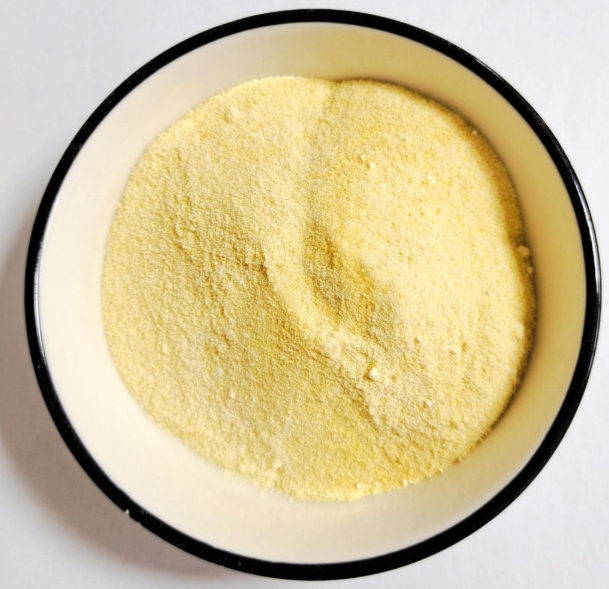
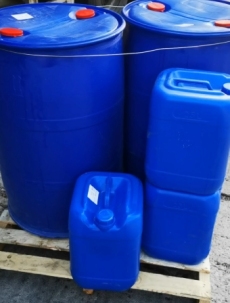
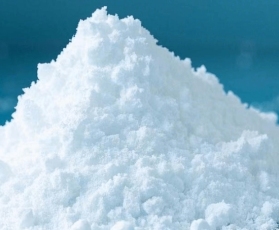
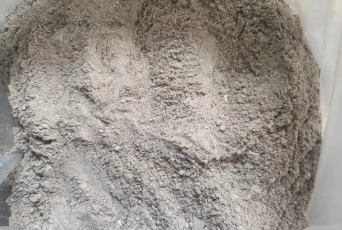
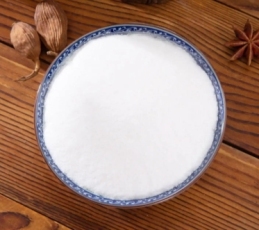
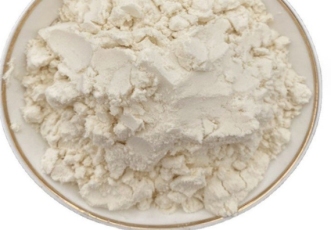
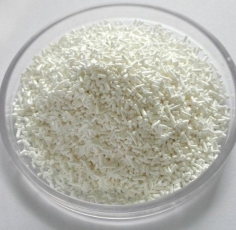
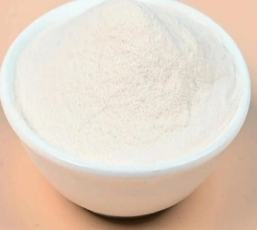
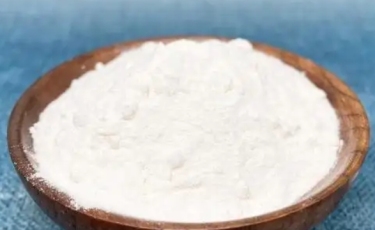
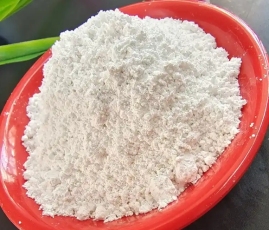
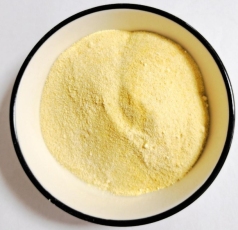
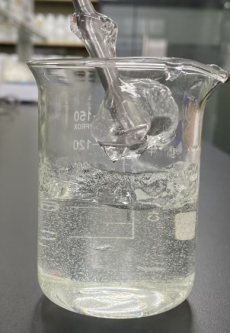
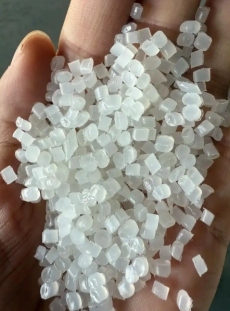
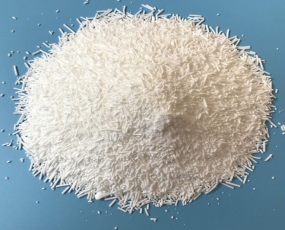
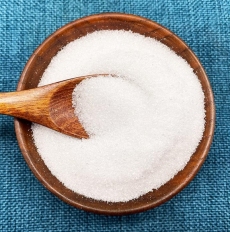
The non-GMO soy lecithin raw material is available in two forms: viscous liquid and fine powder. For the liquid form, it appears as a yellow to brown viscous liquid with a viscosity of 5000-10000 cP at 25°C, while the powder form appears as a yellow to brown fine powder. The phosphatidylcholine content is ≥30%, purity ≥95%, moisture content ≤1.0%, acid value ≤30mg KOH/g, and peroxide value ≤10meq/kg. The heavy metal content is ≤10ppm, and the total number of colonies is ≤1000 CFU/g, with Escherichia coli negative. For the powder form, the particle size ranges from 80 to 100 mesh. Packaging options include 1kg, 25kg, and 50kg food-grade plastic drums or bags, which can be customized according to customer needs. All production processes follow strict food safety management systems to ensure product consistency and quality.
This non-GMO soy lecithin emulsifier raw material is widely used in a variety of food products, including chocolate, candy, baked goods, dairy products such as milk and yogurt, margarine, ice cream, and edible oils. It can improve the processing performance and texture of these products, prevent oil-water separation, extend the shelf life of finished foods, and reduce the use of synthetic emulsifiers. It is especially suitable for non-GMO and organic food manufacturers, vegan food producers, and brands that prioritize clean-label and natural food additives. It can also be used in cosmetics and personal care products as an emulsifier and moisturizer, expanding its application scenarios beyond the food industry.








 Post RFQ


 Chat
Chat


 ALL CATEGORIES