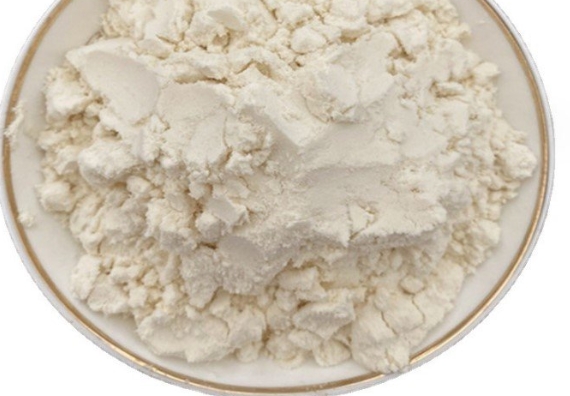



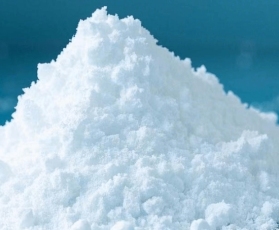

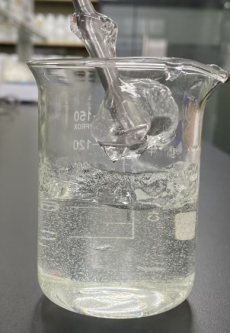
The standout features of this WPI include its ultra-high protein content of 90% on a dry basis, making it one of the most concentrated sources of dietary protein available. It has minimal fat and lactose content, making it suitable for a wide range of dietary restrictions, including lactose-free, low-fat, and ketogenic diets. It is highly soluble in cold water, forming a clear, smooth solution without any lumps or sediment. It is certified by major global food safety bodies including FDA, ISO22000, and HALAL, making it accessible to food manufacturers worldwide. Additionally, it has a neutral flavor profile, ensuring that it does not alter the taste of food products, making it ideal for use in a wide range of formulations.
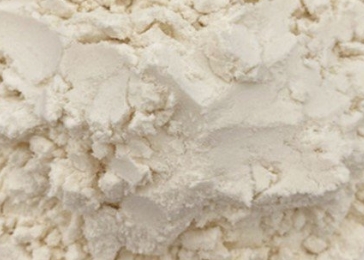
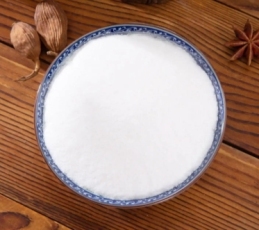
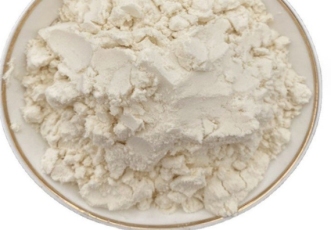
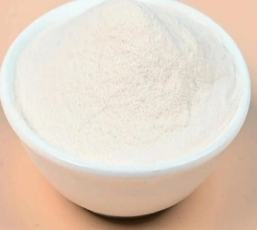
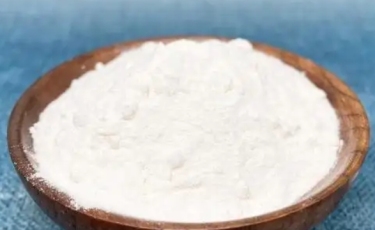
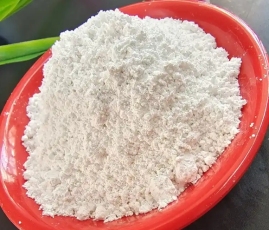
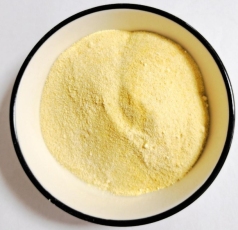
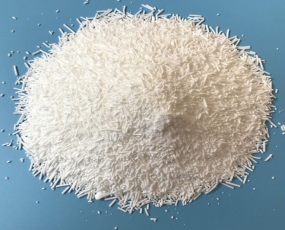
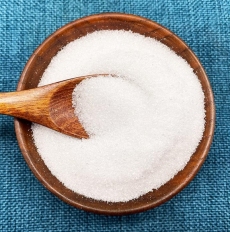
This whey protein isolate has a minimum protein content of 90% on a dry basis, with maximum fat content of less than 1.0% and maximum lactose content of less than 0.5%. It appears as a light yellow fine powder with a neutral, slightly milky odor. It has a solubility rate of over 95% in cold water, forming a clear, viscous solution when mixed properly. The standard packaging is 25kg food-grade cardboard boxes with inner plastic liners to protect against moisture and physical damage. The recommended storage conditions are a cool, dry area with temperatures between 0-20℃, away from direct sunlight. Each batch includes a detailed COA with results for protein content, fat content, lactose content, and microbial safety.
This whey protein isolate is widely used across multiple food and beverage categories, including sports nutrition products such as protein shakes, bars, and powders, where it supports muscle growth and recovery. It is also a key ingredient in infant formula, providing a complete source of protein for growing infants. In plant-based meat alternatives, it helps improve the texture and protein content of products, replicating the mouthfeel of animal-based meat. Additionally, it is used in functional foods, baked goods, and beverages to boost protein content and enhance nutritional value. Food manufacturers can use this WPI to meet the growing demand for high-protein, clean-label food products.









 Post RFQ


 Chat
Chat


 ALL CATEGORIES